

Beaches in Africa

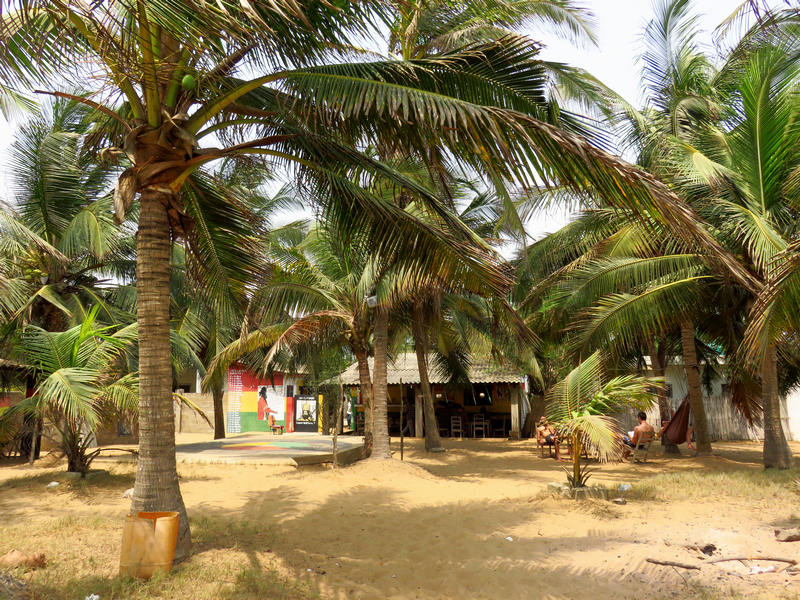
The name might give some different associations, but anyone who wants to get away from the hustle and bustle of life, just let the hours – or days – tick by, while lounging in a hammock drink in hand could do a lot worse than heading to Grand-Popo. In the slave days, Grand-Popo was a major port for the export of everything valuable. As the sale of human beings concluded the town lost its importance. Today its big draw is the idyllic beach, so much that most visitors don't even pay attention to the traces of voodoo culture and colonial history less than a hundred metres in from the sand. To be fair, both are also experienced better elsewhere.
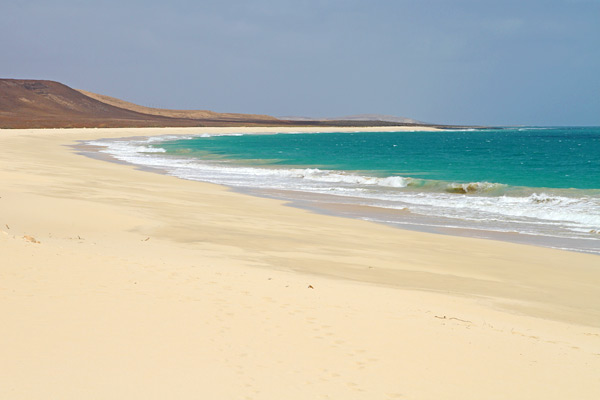
Boa Vista has some of the finest untouched beaches on the planet. Never-ending stretches of soft white sand, fringed by desert inland and by bright turquoise water oceanside. It doesn't come more picturesque than this. The thing is, there is nothing else here. No palms, no shades, no roads, no people, no bungalows, no beach huts, no resorts (besides the few on the whole island). Just sand, sun, and the sea... and, of course, the wind.
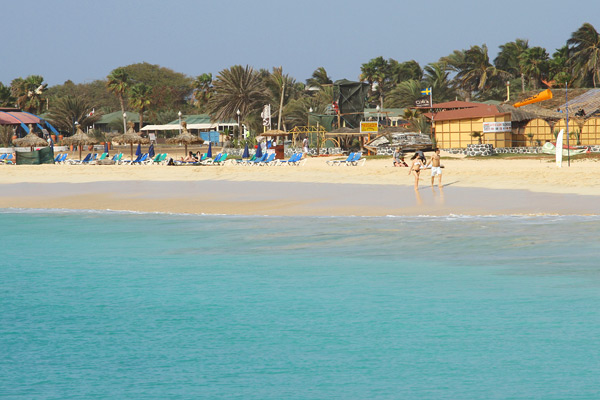
Santa Maria is the tourist capital of Cabo Verde. Lots of hotel complexes with sunburned Europeans and even more construction sites with half-built resorts extending along the long sandy beach from Santa Maria town. The town itself is surprisingly nondescript outside the tourist zone, which consists of the tiny town square and the streets leading up to it. There is a small selection of bars, restaurants and shops - and to less appeal, a never-ending flow of West African touts. So yes, Santa Maria is as touristy as it can get, but it still provides what most people are coming for; namely sun, sand, and chilling at the beach – not to mention wind for the kite surfers.
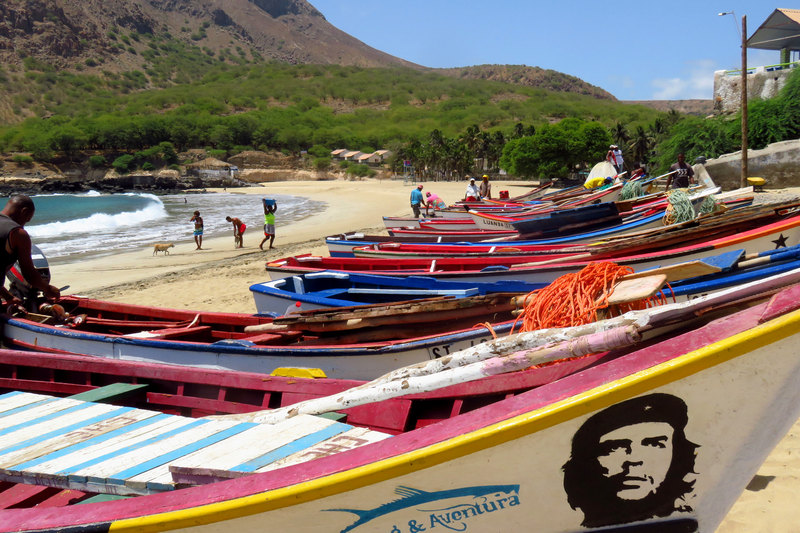
70 km north of Praia, in a bay right where the sun sets, is one of Cabo Verde's most idyllic beaches. The sand is white and clean, and the backdrop is palm trees and towering cliffs. Best of all this beach offers some rare cultural excitement too. One half is reserved for the beach-goers, while the other is lined with small colourful fishing boats. The pace of life here is slow: laze about in the sand, take a dip and watch the fishing boats return with their catch. Repeat. Should the need for restarting the blood circulation arise, are there short, but fine, hikes in the hills surrounding the beach and it's even possible to do some diving here. Visit outside the weekends and you are likely to have it all to yourself.
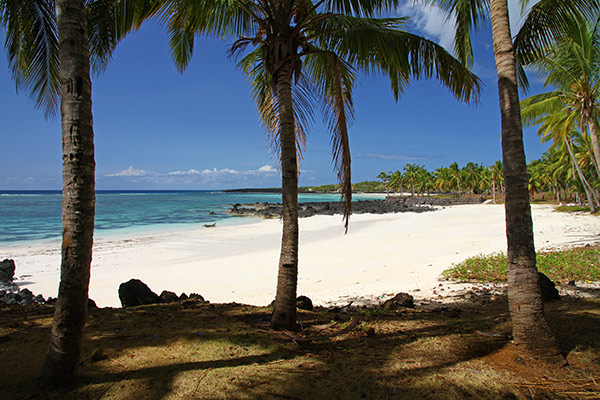
Most of the coastline of Grande Comore is made up by black lavarocks, however there are beaches here and there, some more stunning than others. The stretch from the town of Mitsamiouli and onwards to the bay Trou du Prophète is particularly blessed with a handful of palm fringed, white sand beaches with crystal clear water so picture perfect that it leaves you wondering why you are the only one there. Adding further to the mystery is the lack of trash, which seems to be the norm for Comorian beaches elsewhere. There are a few dilapidated, out-dated hotels, which might be in business, else this little piece of paradise is just short walk from groovy Trou du Prophète or an hour minibus ride from Moroni.
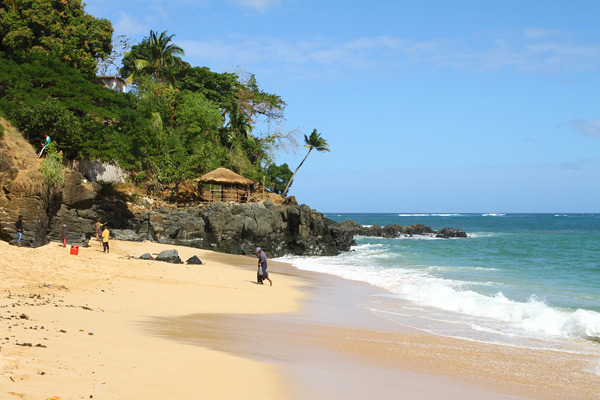
Moya is semi-famous for its pretty beach sought for wedding photo ops. Located on the southern side of Anjouan island, the village has a great view of the ocean and the road to get there either from Domoni or Mutsamudu is absolutely stunning. As with most beaches in the Comoros, Moya's beach isn't the place to lounge lazily half-naked for it is heavily used by the local fishermen, and it disappears almost entirely at high tide, but it sure is a lovely place to chill and learn about the local customs.
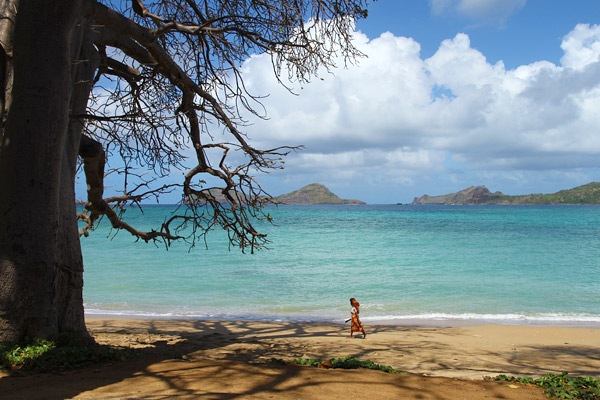
Though Nioumachoua is the second largest town on Moheli, it's still just a large village. It's beautifully located on a hill that slopes down to a long pretty beach. There are splendid views from everywhere over Moheli Marine Park and its uninhabited islands. During the day, the kids play football under the big baobab tree, while in the afternoon the fishermen come to shore with their catch and turn the beach into a lively market. For a bit of exploration, it's possible at low tide to pass the rocky outcrop at the eastern end of the beach and get to the mangroves on the other side.
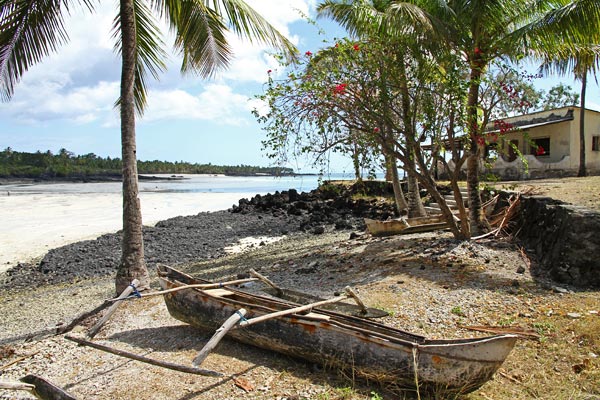
If tourism were a well established thing in the Comoros, this would be the place where backpackers would be seen chilling. The view from this little bay is absolutely superb, and there are a few pristine beaches nearby. But it's the vibe that surrounds the place that's most appealing. Locals hanging at the entrance of the bay greet visitors in a low-key, extremely friendly manner. There are no hotels, just a few (somewhat rundown) spots with cabana-style lodging, or camping options, offering home cooked meals. A few more upscale villas are the property of rich foreign people, but it doesn't affect the "hippyesk" ambiance. The area used to receive more tourists, and there are plans to get back to the level that once were, but whether it happens or not, this bay is definitely not to be missed!
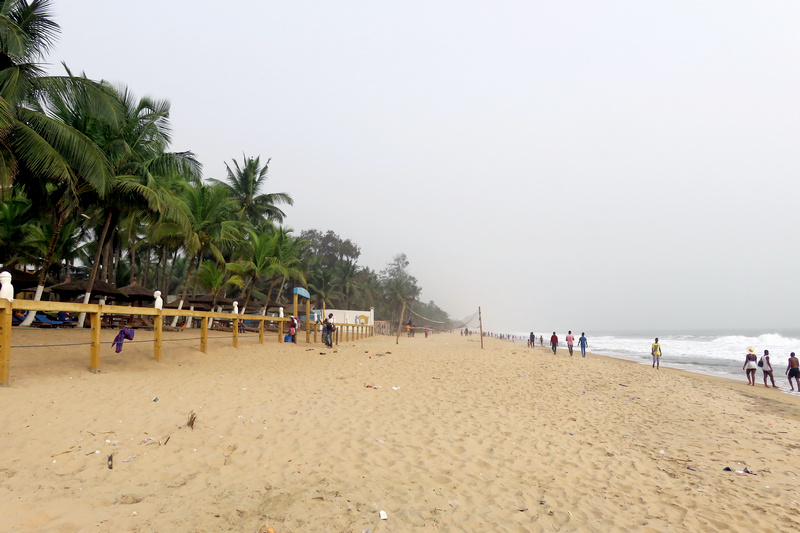
Only Sierra Leone can boast of having better beaches than Côte d'Ivoire on the West African coast. This makes the country an attractive destination for those few travellers who come to West Africa, in part, to seek out sea, sand and sun. The hardest part might well be choosing your favourite beach. There are plenty of small hidden coves along the coast for visitors with their own wheels. However, these beaches tend to be occupied by fishers or have strong currents that make swimming dangerous – always consult locals before diving in. Anyone looking for beaches with proper facilities should aim for the beach towns of Sassandra, San Pedro, Grand Bassam and Assinie. The most secluded of these is Sassandra, which has a very local fell to it. In the other end of the scale, plush resorts are easily found in the other three towns, with Grand Bassam being the easiest accessible from Abidjan.
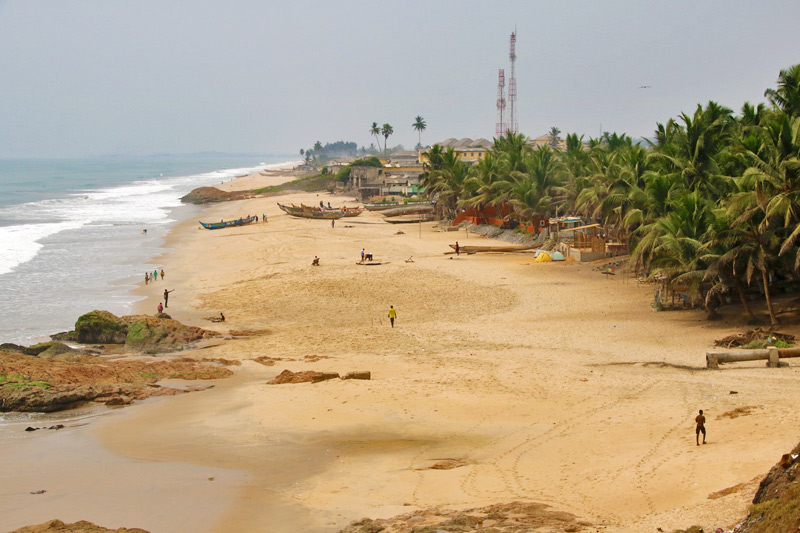
Cape Coast is blessed with many things. A beautiful palm lined beach, another fishing beach filled with pirogues, a charming worn town centre, but the star attraction is, of course, the magnificent UNESCO enlisted slave fort positioned right between the two beaches. Due to Cape Coast's popularity with travellers and volunteers alike, there are plenty of hawkers and "artists" congregating at the fort. Some find the rasta guys at the beach a bit pushy, but they mostly prey on the western NGO girls, who don't seem to mind too much. With a god selection of accommodations and restaurants, Cape Coast makes a nice base for while doing day trips to Elmina (another slave fort town) and Kakum National Park (canopy walk).