

Borders

© John Smith
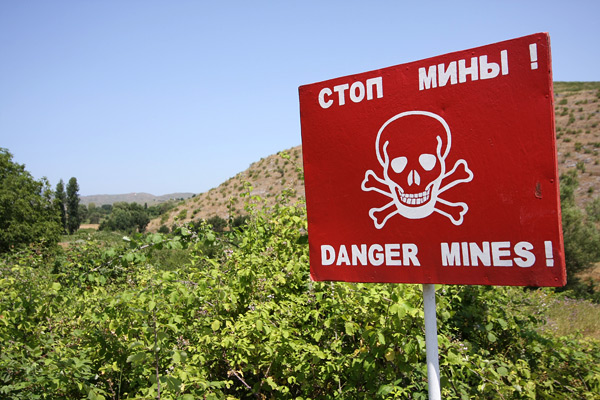
Don't step on them!!!
No seriously, both Armenian and Azerbaijan forces mined the East front of Artsakh heavily in the 1991-1994 conflict. Many areas have since been cleared, but there are still a lot of land that is mined. The safe areas are those with a blue HALO Trust sign saying "cleared", while you want to stay clear of the areas with the red mine sign.
No seriously, both Armenian and Azerbaijan forces mined the East front of Artsakh heavily in the 1991-1994 conflict. Many areas have since been cleared, but there are still a lot of land that is mined. The safe areas are those with a blue HALO Trust sign saying "cleared", while you want to stay clear of the areas with the red mine sign.
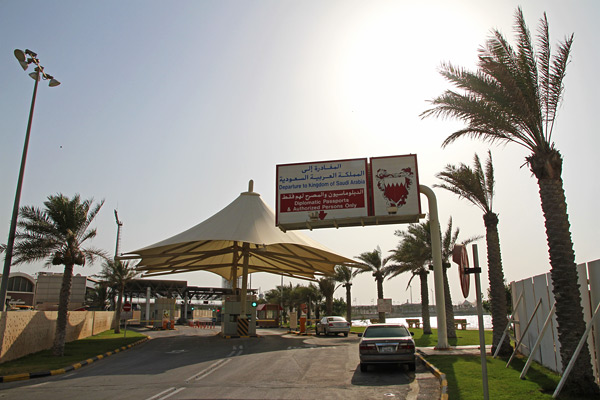
It's always good travel fun to peek over a border, particularly when the other country is off limits like Saudi Arabia. Though Bahrain is an island, it has been connected to Saudi Arabia with series of bridges, called the King Fahd Causeway. The border is in the middle on an artificial island, called Passport Island. You can visit the island, whether or not you are going to Saudi Arabia and have look around (only on the Bahraini side). Since the island is halfway between the two countries, there are 12 km to the Saudi Arabian mainland, meaning there isn't an awful lot to see, beside a tiny Saudi Arabian skyline in the hazy horizon. However, there are two watch towers under construction, so the view might improve slightly in the near future.
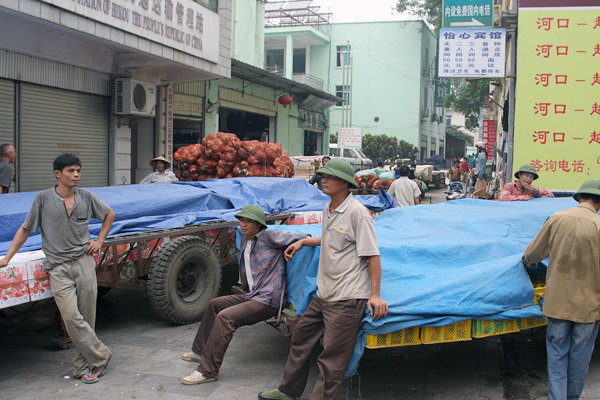
The difference between the Vietnamese border town of Lao Cai and Hekou on the Chinese side is quite immense. Crossing the bridge from Vietnam to China, you leave behind the joking have-all-the-time-in-the-world Vietnamese only to be met with stern looks and Chinese efficiency on the other side. The huge billboards with Chinese advertising facing the Vietnamese side of Red River leave you wondering who it is for, since nobody on the Vietnamese side speaks or reads Chinese. Beside all the facilities a traveller needs : banks, restaurants, hotels and a bus station, there also are the odd stores (like porn shops) catering for the border crossers. Hekou is packed with border traffic going or coming from Vietnam and can be an annoying place if you have to stay the night. Nobody speaks anything other than Chinese except for a few dodgy characters who seem to live of ripping off the few travellers passing by. You only spend time in Hekou, if you have to.
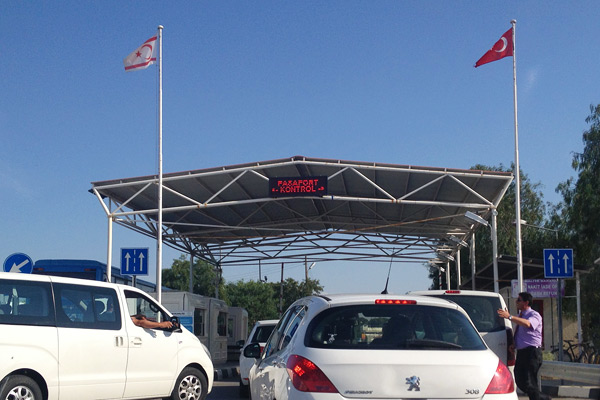
Though the island of Cyprus is officially one nation, it has been divided since 1974 into two separate republics; the Republic of Cyprus (Southern Cyprus) and the Turkish Republic of Northern Cyprus, though the last one is not recognized. In 2003 the borders opened to everyone – both the Northern and Southern Cypriots, along with tourists. You still need to show your passport and if driving across, make sure you have insurance for both sides. No matter which side you stay on, a trip to the other side is highly recommended as the two sides are still very different – and not just geographical. The Northern side is like being in Turkey with mosques, great food, and herd of goats along the narrow potholed roads. The Southern side is more like Western Europe with wide highways and lots of tourist facilities at the many resort towns.
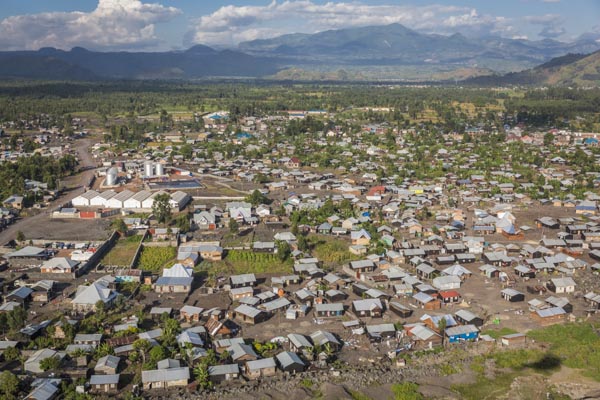
Goma may not be much to meet the eye upon first glance, but it has three redeeming features. First, it’s your gateway to eastern DRC, so you’ll pretty much have to go through here. Second, its location could be a lot worse: Lake Kivu on one side, and the Virunga volcanoes on the other. There’s even a beach, used equally for frolicking and laundry by the locals. Finally, everything that happens in eastern DRC – be it rebel uprisings, UN troop movements, NGO initiatives or tourism activities – either starts here or passes through at some point, making it a great place to spend a day or two to soak up the atmosphere and talk to the colourful foreigners and locals who frequent its restaurants and bars. Check out the first couple of chapter's of Ben Rawlence's book Radio Congo for an great account of what goes on here.
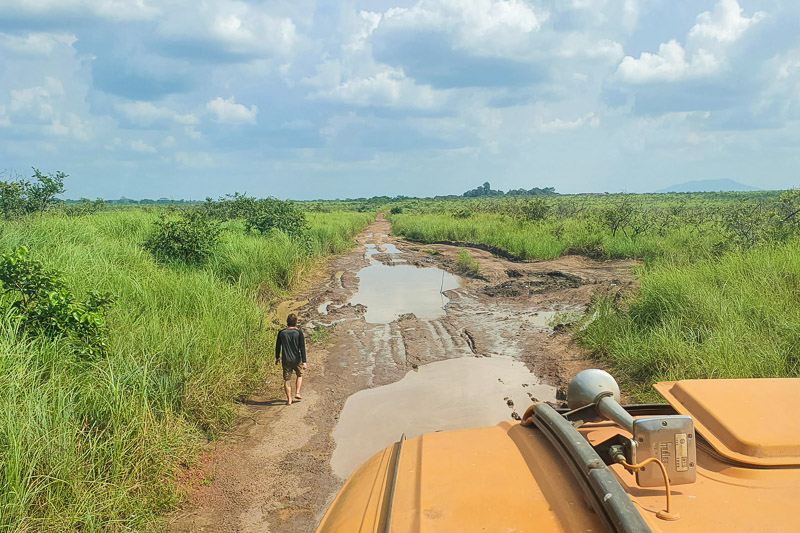
There are many bad roads in Africa and some of them connect two countries. The border crossing between Gabon and Republic of Congo is one of them. The dirt road starts in Ndende in Gabon, where the immigration also is located, and continues all the way to Dolisie in the Republic of Congo. The distance is just 200 km, but the red dirt road is littered with potholes big enough to swallow small cars. Not that a normal car will make it, because the road requires a proper vehicle with off road capacity.
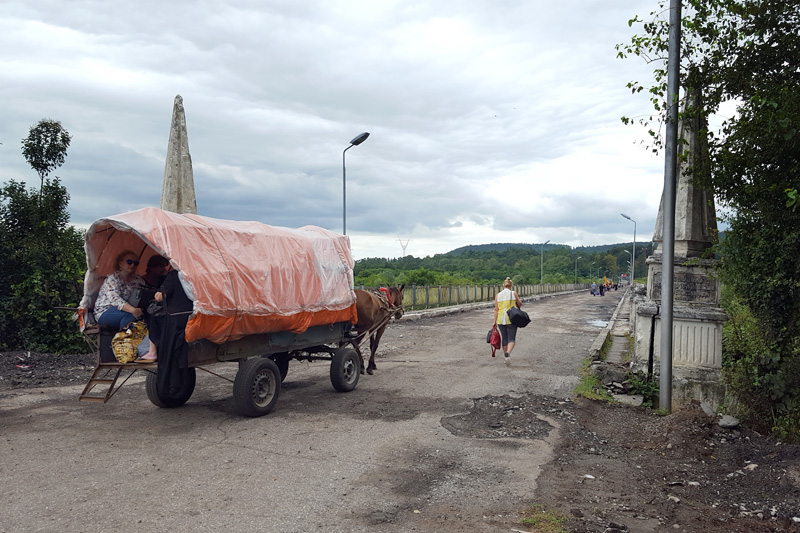
The border crossing from Georgia to the non-recognized breakaway state of Abkhazia is probably one of the weirdest. You are not getting stamped out on the Georgian side, as they still consider Abkhazia part of Georgia, but you still need to register at the police post and show your Abkhazian entry permit. You then walk 1.5 km - or pay for a ride in a horse cart - through no-man's land on a crappy road which is only used by cows and Abkhazian border shoppers, who have been to Georgia to pick up a new television or aircon. Right before the Abkhazian border post you cross a beat up bridge from 1948, built by German prisoners of war. At the first Abkhazian post the officer will call the Foreign ministry to check your visa. When confirmed, you lead into a fenced off passage which leads to the final check point, where you whereabouts will be questioned. Finally you're through to the Abkhazian side. There are nothing else on both sides beside waiting taxi drivers and the occasional marshrutka. No money changers, no shops, no nothing. Be prepared!
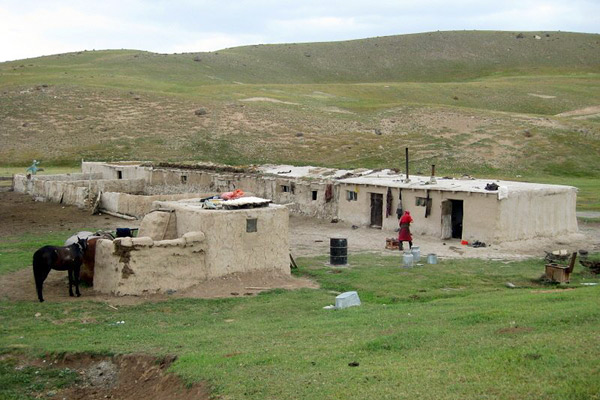
Sary Moghul village is less visited than its neighbour Sary Tash, which lies 30 km away on the Pamir Highway connecting Kyrgyzstan and Tajikistan. However, the detour here rarely disappoints. The area offers spectacular views of year-round snowy mountains, including Lenin Peak (7,134 m), Kyrgyzstan's second highest and the world's easiest mountain to scale over 7,000 metres. You can trek to the top of Lenin Peak with no actual climbing or need for ropes, the only problems being altitude sickness and very unpredictable weather. Even if you're not a mountaineer, Sary Moghul is well worth a visit in itself. The people here are very strict Muslims. Unusual for Kyrgyzstan, when the call to prayer begins, you will see even young children in the streets drop to their knees to prostrate themselves. People observe Ramadan strictly even when it falls in summer, depriving themselves of food and water all day while they work in the fields in blistering heat. There are plenty of trekking opportunities to lakes, yak herders' yurt encampments and mud-built farmsteads in the surrounding mountains.
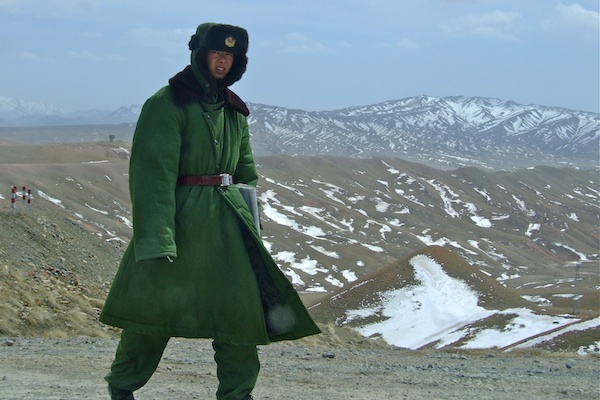
Border crossings these days tend to be little more than formalities. They rarely pose any real challenge and more often than not might even go unnoticed. This is certainly not true for the Torugart Pass. This crossing, bridging a very remote part of the Kyrgyz-Chinese border, is truly remote. But the major draw for many travellers is the fact that it is technically illegal for foreigners to use. However, there are ways around this. If a traveller is on a "tour" (a car with a pre-arranged guide, with a driver to the border and another driver to meet you on the other side), the pass may be used. This involves a series of permits, transport connections visas and other logistical challenges which spice up the typical border crossing routine. There might not be any better endorsement than beautiful, remote and illegal.
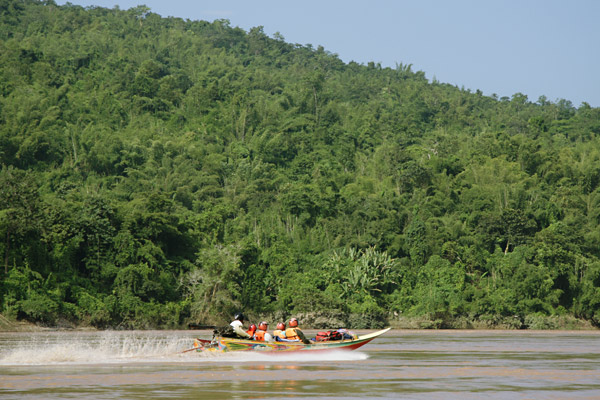
Travelling on the Mekong River can be other than a lazy cruise if going by speed boat. Sitting in the tiny flimsy boat, you doubt it will hold up to the continuously hammering into the ripples on the river surface, but luckily the roaring noise of the oversized engine will blow all common sense out of you. After a while, you will get used to the madness and enjoy the amazing scenery of dense jungle hanging over the river, small fishing villages and shiny pagodas in the distance. It is a wild experience to travel into the heart of the Golden Triangle with Myanmar on one side and Laos on the other.