

Capitals in Africa

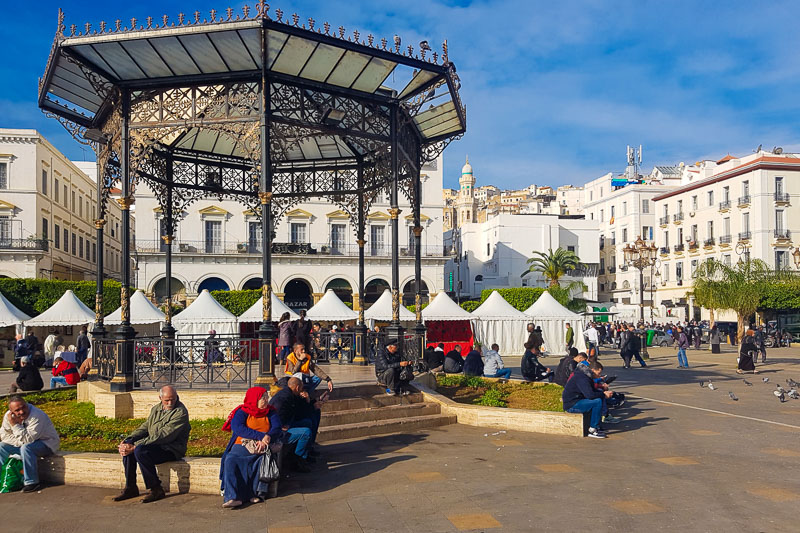
Algiers is a real charmer, but the beauty lies in the decay of the grand. Today magnificent white colonial buildings with ornaments and ironcasted balconies stands dilapidated along the French-built boulevards. Not a house - or a car for that matter - is untouched, all have peeling paint, dents and patches. Socialist-era monuments are dotted across public squares, which just add to the stark contrasts of Algiers. The crown jewel is the UNESCO World Heritage enlisted Casbah; an old islamic neighbourhood which spills down the hillside in a disoriented labyrinth of narrow lanes. The views of the Mediterranean Sea is just a bonus.
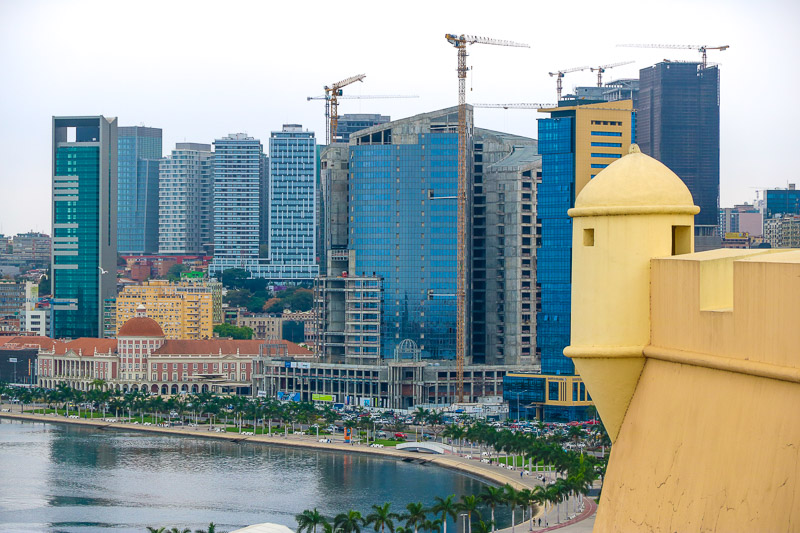
Luands is a sprawling mega city with little to spellbound visitors. Add to that a reputation for being unsafe, but by taking the proper precautions and follow good advice from locals, Luanda can actually be an interesting encounter. There are the odd sights like the mausoleum of Neto, Fortress of São Miguel and Alta das Cruzes cemetery, but there are also the long beach on the Ilha and a thriving bar scene. Ship wreck beach (Praia Karl Max to Praia do Sarico) 90 min north of Luanda should also be visited.
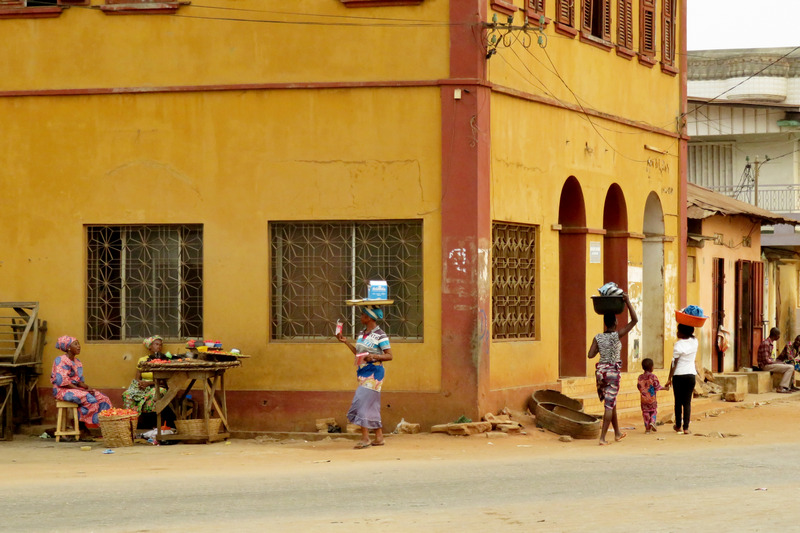
A very pleasant surprise. Benin's capital city is low-key and relaxed. Life here moves as slow as the changes in African politics does. Porto-Novo, named as a "New Porto" by the Portuguese when their ships roamed these shores, is full of magnificent colonial architecture. Including a cathedral-turned-mosque and the old Institut Francais d’Afrique Noire. Here's also a restored traditional palace and Porto-Novo is West Africa's most exhilarating museum-city. A handful of excellent museums tells everything from local ethnography to the history of Brazilian diasporas in Benin. If you want to see all of Benin, but only have one day Porto-Novo got you covered. Here are even a few stilt houses down by the lake.
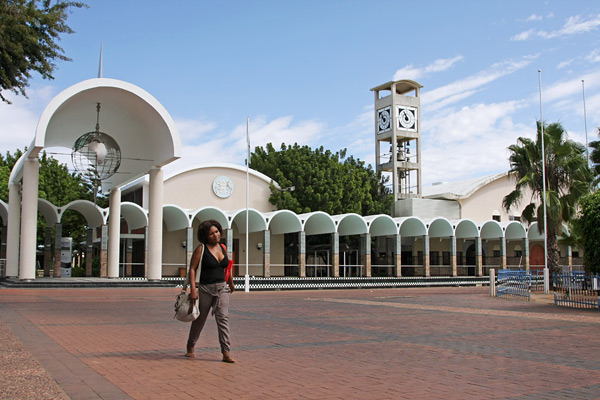
The capital of Botswana, Gaborone, is a serious candidate for the most tranquil capital on the globe. The streets have wide dusty curbs and buildings are low and far apart. A good chunk of downtown is taken up by government buildings which are all neat without being striking. Along roads and in every lot stand shady trees, making Gaborone a very green place. The people are friendly and helpful and there are no barbwire or electric fences anywhere, not even at the parliament or the president's office. The main areas of interest are sadly around the parliament and what is known as the Main Mall (a pedestrian street lined with small shops) and the real shopping malls on the outskirts of town. Some probably praise that Gaborone doesn't have that colourful African madness you find elsewhere on the continent, but many find it downright boring. No matter how you look at it, Gaborone is a one-day town.
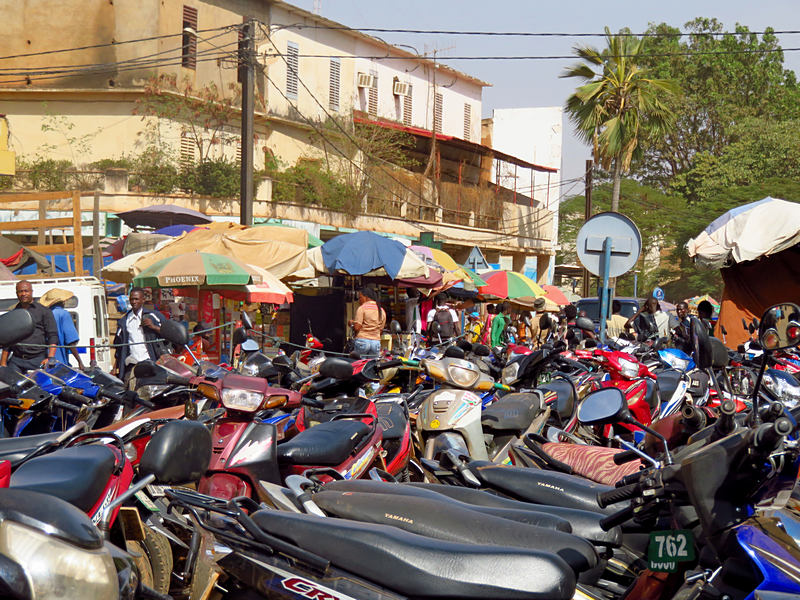
Home to what could well be the largest concentration on scooters and motorbikes anywhere on the continent, any visitor to Ouagadougou (Wa-ga-dou-gou), or simply Ouaga, will have to learn to duck this buzzing menace or face the consequences. Burkina's capital and largest city is busy, but feels more like a large provincial town than a country capital. It's nonetheless Burkina's centre for everything. Shopping, nightlife and culture. The national museum, however, is an outright disappointment, and the main market is fairly ordinary. Instead, visitors should look to Burkina's nightlife given that Ouaga is one of the few predominately non-Muslim cities in the Sahel, as well as the city's skilled artisans. Ouaga's also considered Africa's cinematographic capital city, with a handful of good cinemas. Regardless of the notions above, most Western visitors will probably find Ouaga hot, dry and dusty, but once you've learned to cope, Ouaga is strangely pleasant, not least thanks to the fact that Burkinians are some of the kindest people on the planet.
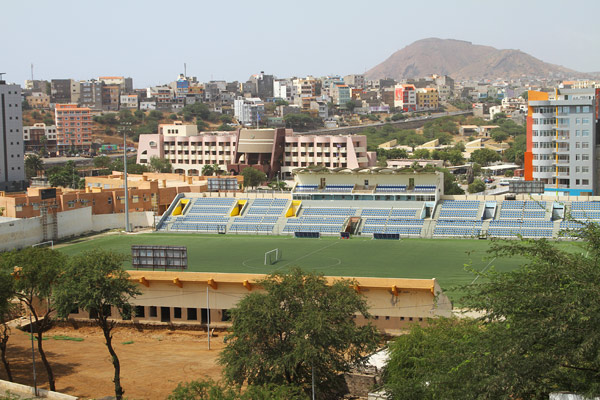
The capital Praia is just an overgrown version of any other town in Cabo Verde. A beach, a harbour, and a cluster of mismatched concrete dwellings, all kept in the usual dull grey. Well, that is not totally true, Praia also has an Old Town, called the Plateau since it’s raised above the rest of the city. Here, the houses are a bit more cute and colourful, and there is a range of colonial buildings, like the court house and President Palace, which even has a splendid viewpoint behind it. The Old Town also has a shaded town square, a vegetable market and a pedestrian street, 5. De Julho, which is mostly famous for its range of restaurants. Since the people of Cabo Verde is very easygoing and calm, it should not come as a surprise that Praia is just the same.
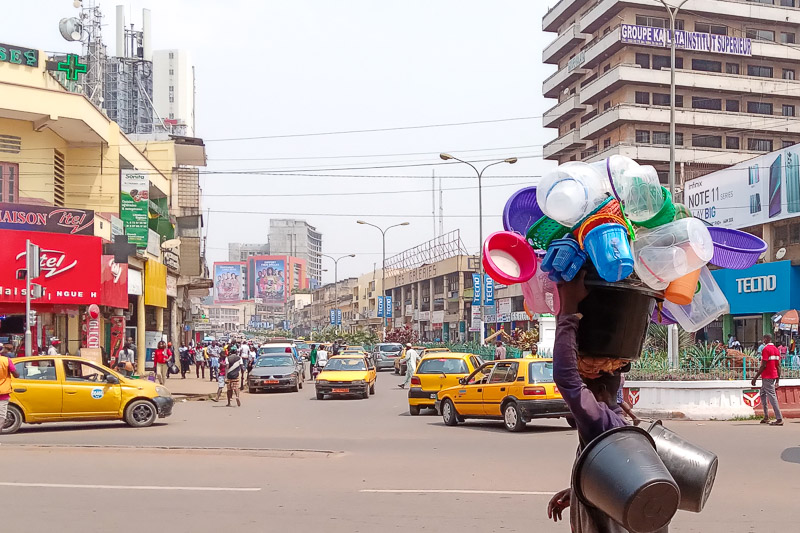
Yaoundé is the capital of Cameroon, while the larger Douala is the economic center. Yaoundé has this friendly ambiance and it never feels too crazy, except around the super crowded central market. There aren't an awful lot of sights, but there are a handful of interesting art deco 1970s government buildings along with some museums like the Blackitude and National. The Notre Dame Cathedral, built in 1955, has some pretty Afrocentric mosaics. You can climb the "bell" tower for magnificent panoramic views over the city and the surrounding hills.
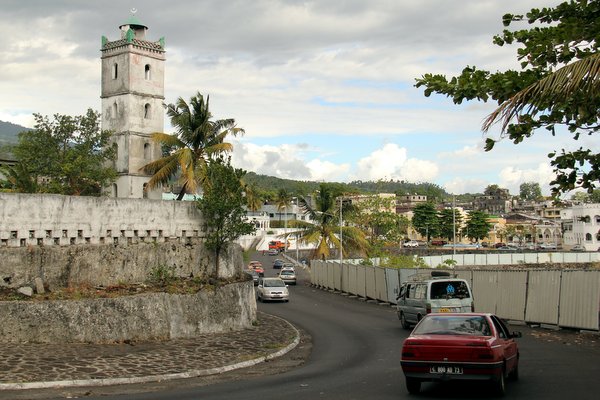
The federal capital of the Comoros, Moroni, often is the first view of the Comoros a visitor will have, and it's a perfect introduction to the country. Although a bit stretched out, the city is fairly easy to get around and deserves a good exploration. The old medina downtown Moroni is very rundown, but always fun to get lost in. The two markets North and South of town are excellent places to get your share of crowd mingling, while being greeted with friendly "Bonjour!" by almost everyone. And the great volcano Karthala provides a fabulous backdrop while the ocean completes the picture.
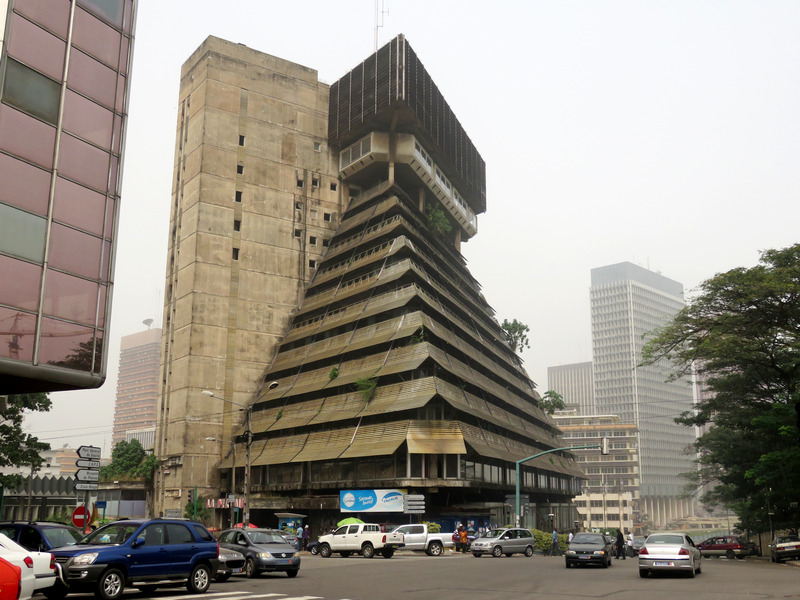
West Africa's most impressive skyline is unrivalled. Positioned on a hill called La Plateau, downtown Abidjan is the centre of Côte d'Ivoire's economic powerhouse. Skyscrapers built in glass and steel, housing banks and other big business dominates, but the most famous building here is La Piramide, an abandoned highrise looking like something taken straight out of a sci-fi, not looking unlike an Imperial Destroyer from Star Wars. Abidjan, in general, and La Plateau, in particular, is where the rich and famous from all over West Africa come to enjoy executive dining, posh nightclubs and other joys of the hedonistic life. Travellers, with the right wallet size, can easily rub shoulders with the elite here, while the rest of us will have to appreciate that Abidjan has good food and good nightlife for any kind budget.
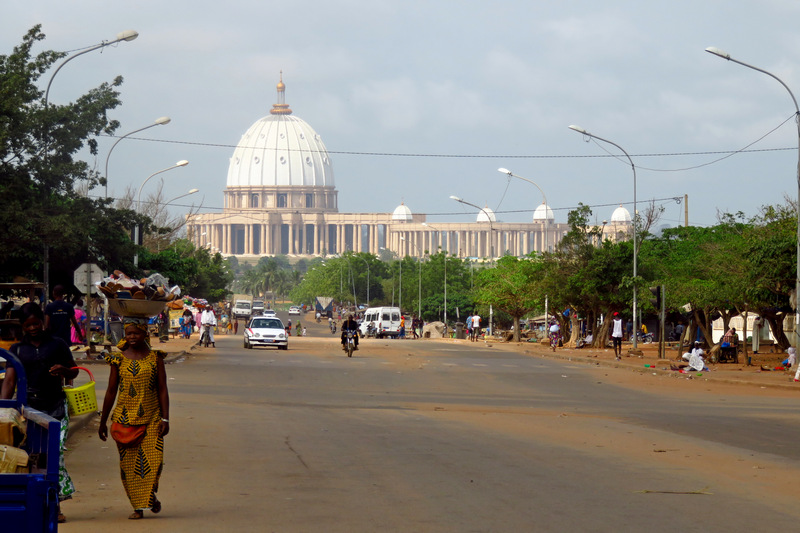
Not many people get to build their own city. One of the few to get this opportunity was Côte d'Ivoire’s first president, Felix Houphouët-Boigny, who followed his engineering dreams by constructing a new capital city from scratch. Before this, Yamoussoukro where just in a small village in the central region of the Côte d'Ivoire, where Houphouët-Boigny happened to have grown up. The construction began back in the 1960s, shortly after independence, and didn't finish until the big man's death in 1993. Almost surprisingly he named the city in honour of, not himself, but his aunt, Yamoussou. Yamoussoukro thus means the city of Yamoussou. Among the most remarkable architectural wonders are a five-star hotel, a peace and conference centre, and the world's largest Catholic church (no, really). Besides the prestige projects, however, Yamoussoukro quickly comes off as a vision unfulfilled, with broad empty boulevards and broken street lamps.