

Capitals in Asia
1 2

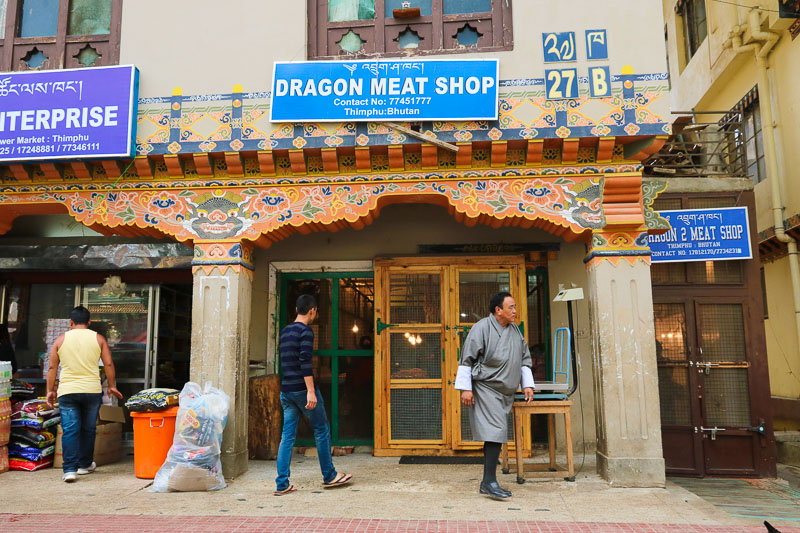
Punakha used to be the capital of Bhutan, but in 1961 it was officially changed to Thimphu. Though Thimphu is a pleasant town with about 100,000 inhabitants and no traffic lights, it's mostly interesting due to the number of sights: National Memorial stupa, Tashichho dzong (Bhutan's administration centre), and the Giant Buddha. You will probably notice that no buildings are higher than 6 floors, which are inforced to reduce damages in case of an earthquake.
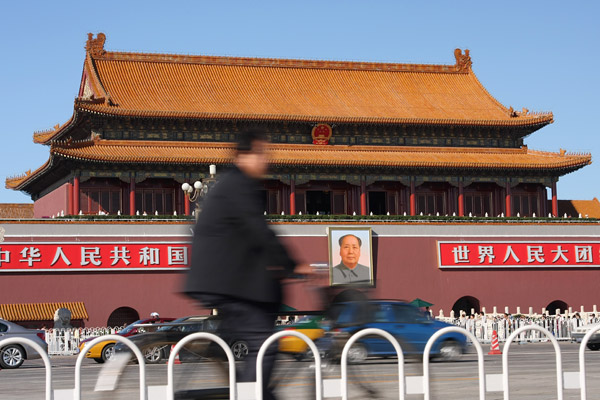
The capital of China is a mind-blowing mix of imperial leftovers, bombastic communist relics, Chinese boom economy malls and just a lot of ordinary Chinese. Though it is constantly being rebuilt, there are still lots of elaborated temples, cramped hutongs and green parks with old people chatting between ultra wide boulevards. There are so many historical sites dating back to all the dynasties, that most people get templed-out before seeing them all. Luckily, there is also modern architecture, the mausoleum of Mao, and, the Chinese's favorite, never-ending shopping. If you are still standing when the night falls, head to one of the bar areas for a quiet drink - or pull an all-nighter in a Chinese disco. Almost everything is possible in Beijing, though you will probably get a stern look from one of many uniformed teen guards just for standing out.
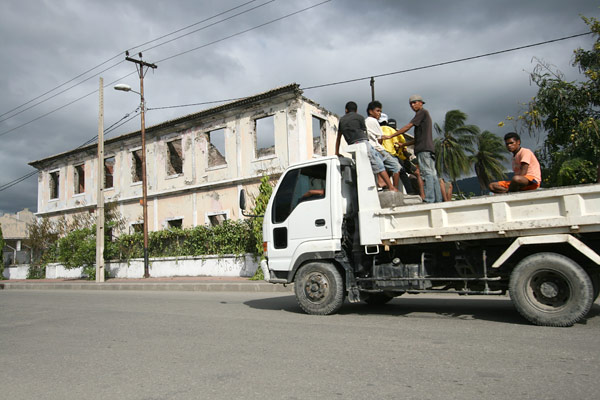
A colonial leftover from the Portuguese. It has been through a lot of war, massacres and general neglect. Burnt-out buildings are still a common sight and the roads are dotted with bottomless manholes, but it has edge and charm like a street urchin. The packed Santa Cruz cemetery along with the Truth Committee center CAVR can give some insight of the violent recent history of this young nation. For a bit of tranquility, head for the nice waterfront which has several narrow beaches and clear view to Atauro island. These days the town is fueled by UN and NGO money, meaning there exists a surprisingly good selection of eating places. The best part though, is the locals are still friendly, honest and welcoming.
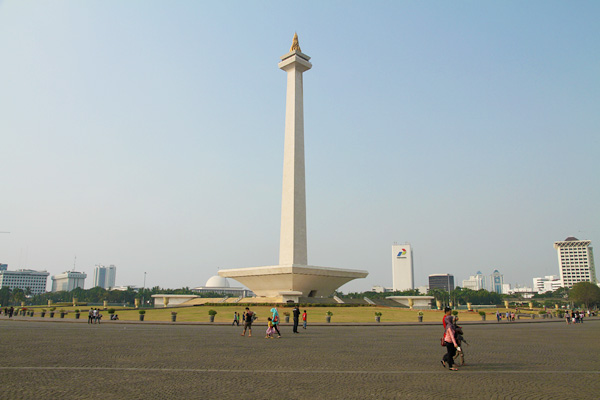
Most travellers don't spend much time in Jakarta. They either skip it all together or use it as a travel hub – and for good reason. It's not because Jakarta is horrible, just congested and very low on sights. But that said, you can with some effort spend a day or two of sightseeing and eating some nice food. The usual city tour goes around the National Monument, where you also find the cathedral, grand mosque and some, by Indonesian standards, fine government buildings. For the second day of sights, head to old town Kota (also called Batavia), which once was "the Jewel of Asia" during the Dutch ruling in the 16th-19th century. Of course, not much is left from that time.
On a positive note, it should be mentioned that you don't see much poverty in the central Jakarta and the pace is very slow considering it's Asian metropolis.
On a positive note, it should be mentioned that you don't see much poverty in the central Jakarta and the pace is very slow considering it's Asian metropolis.
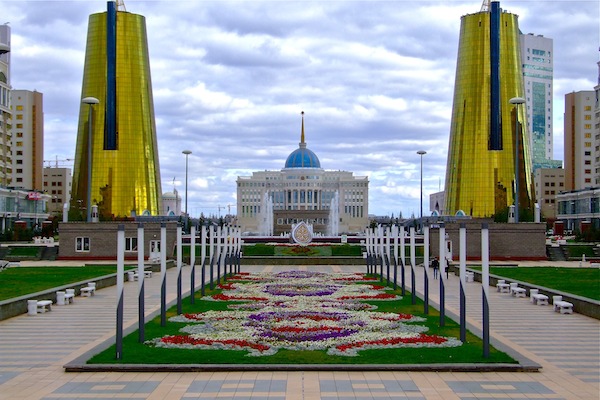
More often than not, capital cities are a process of evolution. Whether a city grew out from commercial prominence or militaristically strategic location or any other number of factors, the cities start small and become a capital over time. This is not the case of Kazakhstan's capital, Astana. Prior to the 1990's, Akmolinsk was little more than a farm town. But after Kazakh independence in 1991, the location was chosen to become the new capital. A bizarre array of ultra-modern buildings, strange monuments and even a large aquarium were all part of the plan of the purpose-built city, officially made capital in 1997. The whole place is surreal and worth the trek to the middle of nowhere just to see it.
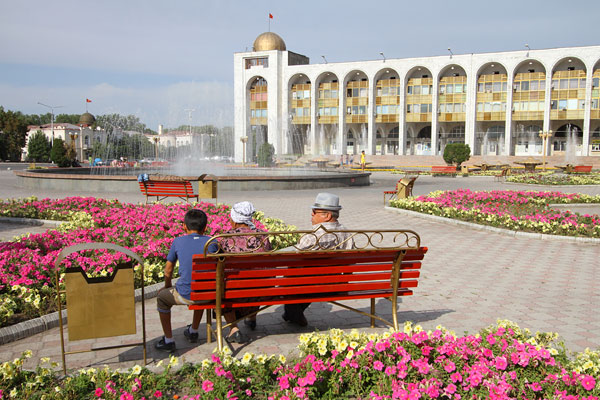
Perhaps initially perceived as a little rough and tumble, the Kyrgyz capital of Bishkek has a few surprises up its sleeves. The undisputed transport hub of the country, a visit here is almost inevitable. But what may come as a shock is there are more than enough things to do to keep one busy for a few days. Lots of Soviet-era monuments and architecture. A couple of museums (including the excellent Historical museum), dirt cheap theatres (ballet and opera) and even a circus will keep culture vultures more than occupied. Several old-school markets make for excellent shopping and people watching. A decent supply of restaurants and cafes line the treed boulevards making for relaxing dining. Not to mention a fair share of clubs and bars to rock the night away. Plus several chilled parks if it all gets a little much. You have to make an effort to actually get bored in Bishkek.
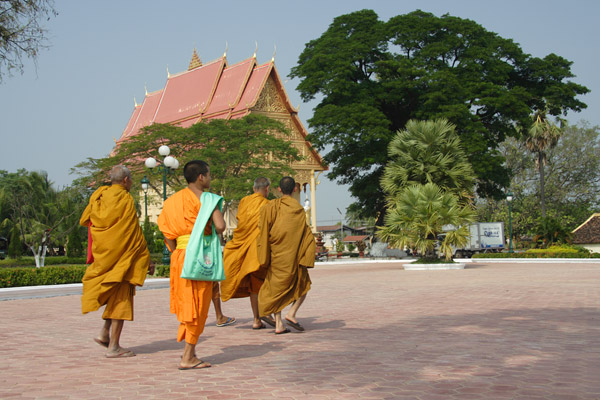
Lovely Vientiane is tiny and unpretentious, and doesn't feel at all like a capital. It is not many years ago when chickens ran around in the unsealed streets. Today, many of the fine old French colonial mansions have been done up and turned into stylish boutiques or artsy cafes for the increasing numbers of tourists, but Vientiane hasn't lost its innocence (yet). Monks stroll down the boulevards, one of the tallest constructions is still the golden stupa Pha That Luang and the best place for a cold Beer Lao is still the Mekong riverfront. So it is hard not to be spellbound by Vientiane's charm.
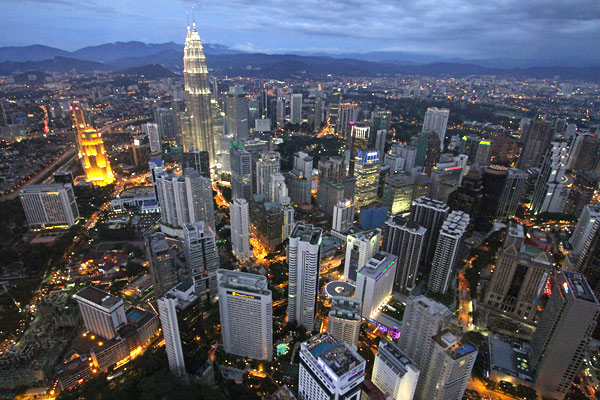
Neither as flashy as Singapore nor as crazy as Bangkok, Kuala Lumpur (or just KL as locals call it) is often considered a bit tame, but that just makes it easier to approach for first timers. Dull or not, it does have its own distinct flavour worth exploring. The major attractions are a few major sights along with the ethnic colourful "hoods", Kampung Baru, Little India and Chinatown. If shopping is your thing, KL can match in both price and range what you find in the neighbouring capitals. So if you need to replace some of your travel stuff or just get some western gear, this is a good place to stock up. Or just splurge in the exorbitant selection of street food and restaurants.
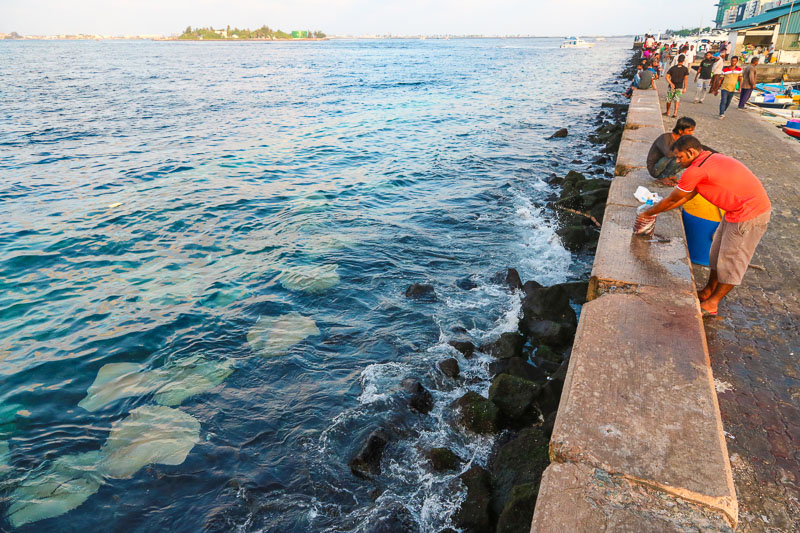
Malé is a strange sight when you first see it: Highrises shooting straight up from the azure sea like a tropical Manhattan. It's a congested place with 133.000 people on only 5.8 square kilometres, making it one of the most densely populated cities in the world. The amount of motorcycles seems almost the same and you’re puzzled why anyone would try to drive a car through the narrow streets. So it’s no wonder why the overwhelming majority of vacationers will avoid Malé like the plague, but any capital city is an integral part of a country's identity and should not be missed. And while Malé is not the postcard image of the Maldives, it actually is a nice encounter. The main square, National Museum and both the new and old mosque are all worth a look, but what probably is the most exciting place is the harbour with several smaller indoor markets. In the late afternoon, when the market close, fish guts get thrown into the sea, which attracts dozens of big stingrays. They literally crash on the rocks, while munching away.
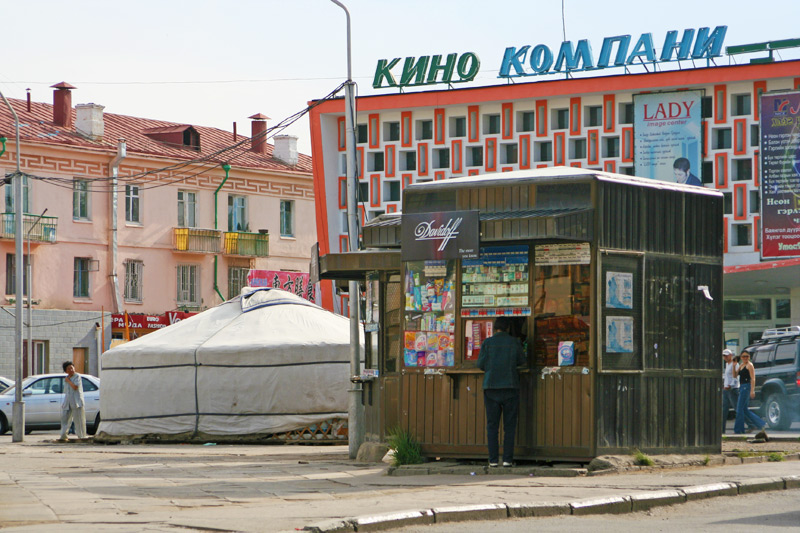
The capital of Mongolia is a strange place. Though the city is starting to get high rises made of glass of steel, most of the centre still consists of drape Soviet-style concrete apartment blocks. The huge Chinggis Khaan Square is of course the natural focal point. From here Peace Avenue runs west past the State Department Store, which has the biggest collection of souvenirs in the country. For a real sight, head over to the fine Gandantegchinlen Monastery, which was one of the few monastery which survived the ruthless Choibalsan leadership. But Ulaanbaatar is more about the wicked sights. You don't have to venture too far out into the scruffy suburbs to come by whole neighbourhoods made up of ger camps. Here people live inside the capital in stationary gers. Watch out for the many vicious dogs, for they are not for petting.
1 2