

Capitals in Europe

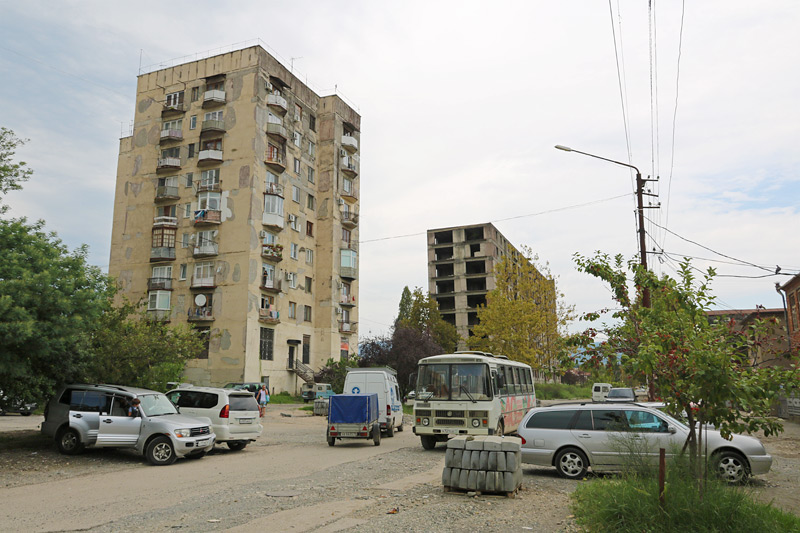
The capital of Abkhazia has a strong post war feel about it. Every second building is abandoned and the rest are mostly in a very neglected state with crooked balconies and what looks like bullet holes. Most of the smaller streets are in bad condition, and even the waterfront, which attracts so many Russian tourists in high season, is dilapidated and worn. But don't be put off by all this neglect, for it's actually the charm and attraction of Sukhumi - and Abkhazia too, for that matter.
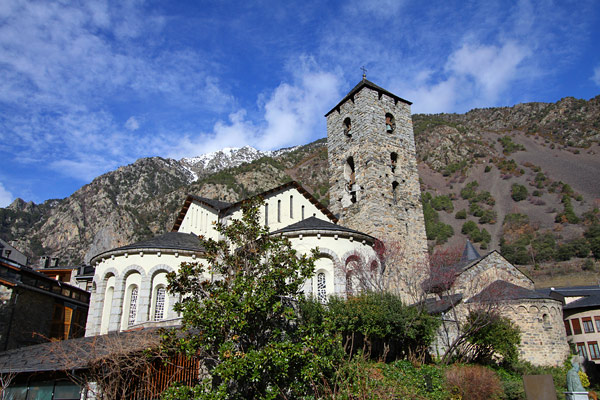
Andorra is tiny and so is its capital Andorra la Vella. The name literally means "Andorra the old", which unfortunately only refers to a small fraction of the otherwise modern mountain town. Its setting is pretty along a raging river at the bottom of a valley with gorgeous views of mountain peaks. Andorra la Vella isn't known for much else than being the highest capital in Europe (altitude 1023 m) and for its tax-free shopping. The main streets are lined with shops selling any combination of electronic goods, booze, cigarettes and sports gear, and get easily clogged up with power shoppers from Spain. However, the town is more than cheap sneakers and traffic jams. Even though there aren't many sights within the town itself, it makes a perfect base for exploring the rest of Andorra, where any place can be reached within a hour - on traffic-jam free days.
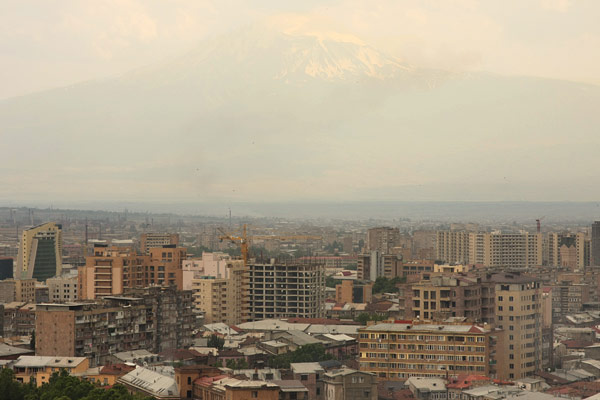
Yerevan is a strange mix of drab Soviet-era apartment blocks, imposing Stalinist masterpieces and new-but-not-finished real estate projects. Even though it is one of the longest inhabited cities in the world, not many buildings pre-20th-century remain, due to the extensive city reconstruction that happened during the Soviet years and which was not fully implemented until recently with the finishing of the Northern Avenue. But this being Armenia, and not Eastern Europe, the street scene is extremely lively with a never-ending range of cafes, some very flamboyant with outdoor couches. Central Yerevan is small and walkable, so you can see the major sights within a day or two. The main sights are Cascade (Soviet monument turned not-completed contemporary art museum), Republic Square (former Lenin Square), Opera House and the surrounding cafe area and Vernissage Market during the weekends... oh, and the majestic views of Mt. Ararat on clear days from the top of Cascade.
© John Smith
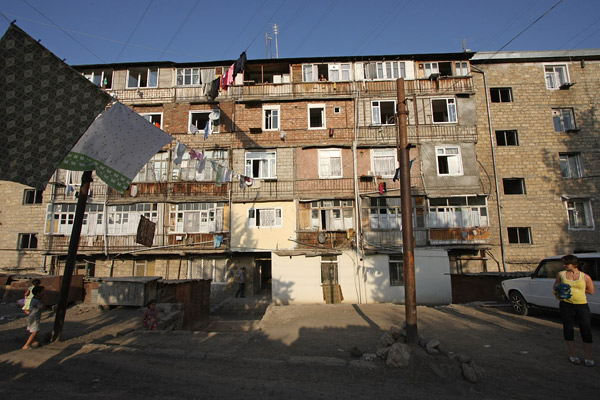
The capital of Artsakh, Stepanakert, has a strong post-war feeling. The streets are potholed and ramshackle apartment blocks look like brick patchwork, but the handful of shiny new or soon-to-be-finished buildings witness the coming change to Stepanakert. As in Armenia, street life is vibrant and the fine renovated central park gets packed with young and old in the evenings when the heat is loosing its suffocating grip (in summertime). There are several fairgrounds for kids and the locals never seem to be tired of walking up and down the main street. Stepanakert is one of those towns that don't seem appealing at first, but it will grow on you.
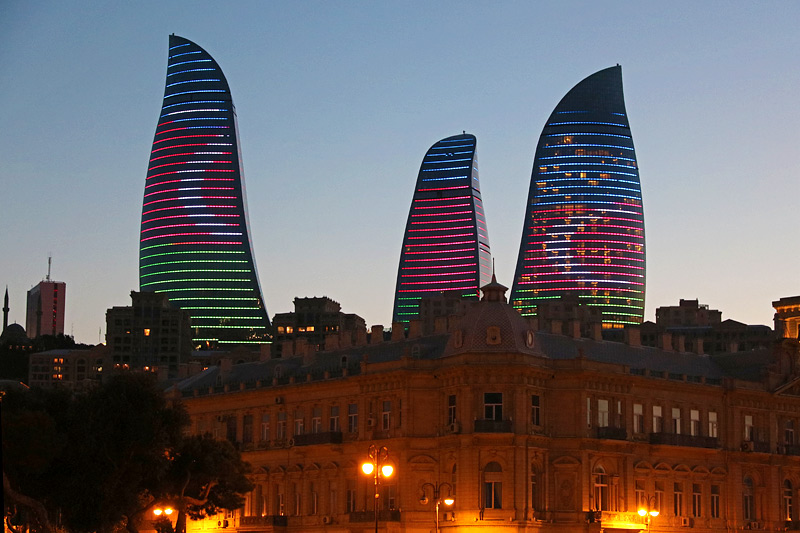
Baku is city full of contrast. It emerge as an urban oasis on the barren coastline of the Caspian Sea, which otherwise is dominated by oil plants, industry, and dust. Modern condos mixed with Soviet-era apartment blocks make up most of the drab suburbs, but the city center and waterfront is a totally different story and a testimony to what oil money can buy. Wild and crazy architecture, like the Flame Towers (190 m) and Heydar Aliyev Cultural Center, dot the city - and more are under construction. But Baku has also some historic and elegant areas. The fine, but touristic, UNESCO-listed Old City is walled with narrow alleys. Right outside its walls lies a charming neighborhood with tree-lined streets and fine boutiques, not unlike Paris, which extend to the classy shopping streets near Fountain Square. So Baku can either be dreadfully dull or overly exciting, it depends where you explore.
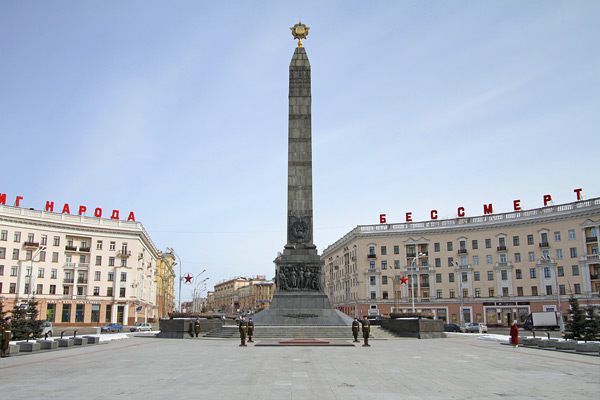
Minsk is everything you expect of a capital in country that seems to be stuck in a Soviet time capsule and controlled by an iron fist. Since the city was totally demolished during WWII, it was rebuilt as a model Soviet city. That means lots of Soviet-era monumental architecture, expansive squares, broad boulevards and never-ending rows of grey apartment blocks. There are uniformed officials everywhere and to this day, visitors still have to be watchful when snapping photos. But all this blandness doesn't mean Minsk is boring, quite the contrary. Maybe to forget the tense political situation, the people like to drink and party. And for people watching, nowhere in the Eastern Bloc is the parade of long-legged ladies on stilettos greater than here in Minsk, even in winter when sidewalks are covered in ice.
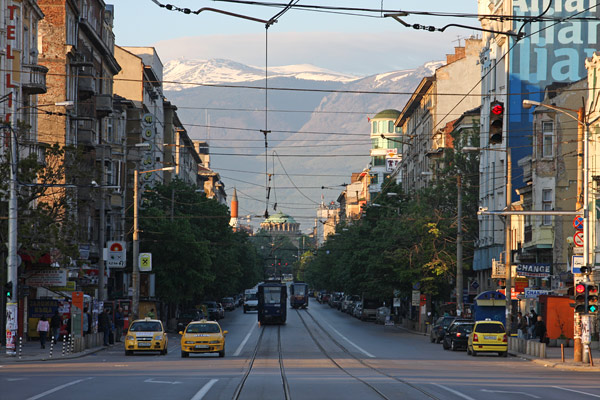
The compact capital of Bulgaria is strangely captivating with its dilapidated worn beauty. Golden domed churches stand side by side with grey Eastern Bloc buildings and monuments. Though Sofia isn’t big on tourist sights, the city is a rewarding acquaintance with its flavours of both the East and the West. To really capture the spirit of Sofia, do as the locals, hang around in one of the many green parks. With towering Mt. Vitosha (2290m) right at the doorstep, you can also go hiking or skiing during the day and be back at Sofia in the evening relaxing in a bistro with a bottle of Bulgarian wine or a cold local beer.
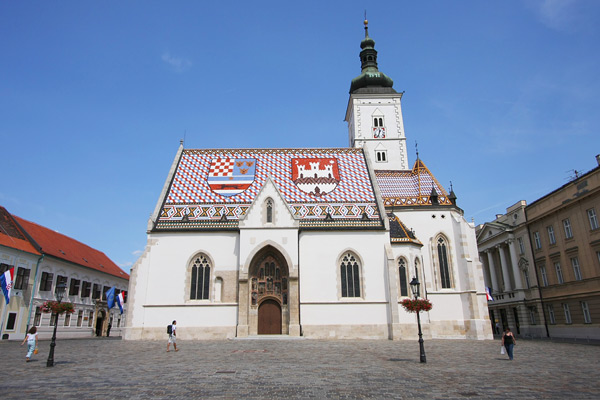
Zagreb is low on major sights, but this just mean you can enjoy the charm of the city without the hordes of tourists. The city is split into two parts, the handsome upper part and the ordinary lower part. The upper part is for sightseeing and pleasure, while the lower end is where life is lived. The few must-see places include Zagreb Cathedral, St. Mark's church (picture) and the vegetable market, but else Zagreb is best enjoyed by strolling aimlessly around. As with any capital in Eastern Europe the nightlife is good. Bar-lined Tkalciceva street turns into a public catwalk at nighttime with outdoor couches and affordable drinks - what more do you wish for.
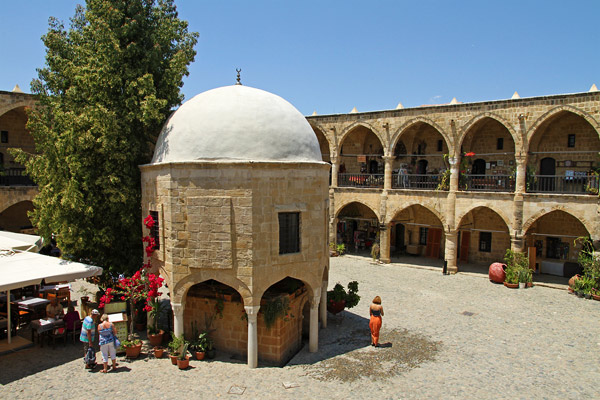
Nicosia is the only divided capital left in the world. The city is divided right in the middle from east to west into two very distinct parts, which feel like they don't belong in the same century. The south side is Greek Cypriot and is as modern and western as the rest of Western Europe. There are lots of cosy cafes, art shops, and cute restaurants down the narrow lanes. The north side is Turkish Cypriot and resemble more like Istanbul with its oriental bazaar, mosques, and dilapidated houses. It's easy to cross the border at Ledra Street, so there is no reason not to explore both sides.
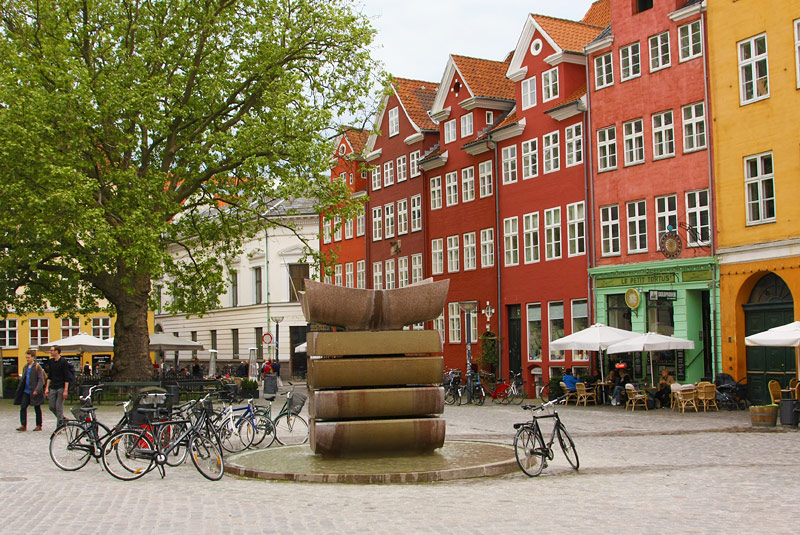
Copenhagen became the capital in the 15th century, and today has about 1,2 millions inhabitants, more than 20 per cent of the entire population of Denmark. Visitors tend to spend most of their time in the pretty historical city center, which is packed with fine historical buildings ranging from colourful half-timbered houses to fairy-tale like royal castles. But these days Copenhagen is largely evolving in the outer districts, which in Danish are called brokvarter. The old red light district behind the main train station, Vesterbro, has transformed into a hipster paradise with cool restaurants and bars. The once rough immigrant district of Nørrebro is now popular with indy designers and coffee shops - besides the many kebab places. Even the island with the airport, Amager, is experiencing a renaissance with new developing, some of it world class architecture like 8tallet. So to fully experience Copenhagen make sure to explore all the different districts: Christianshavn (water canals), Ørestad (new architecture), Bryggen (urban waterfront), Frederiksberg (elegant houses), Vesterbro (hipster central), Nørrebro (multicultural mix), Østerbro (posh living) and, of course, Christiania - the freetown.