

Communist relics
1 2

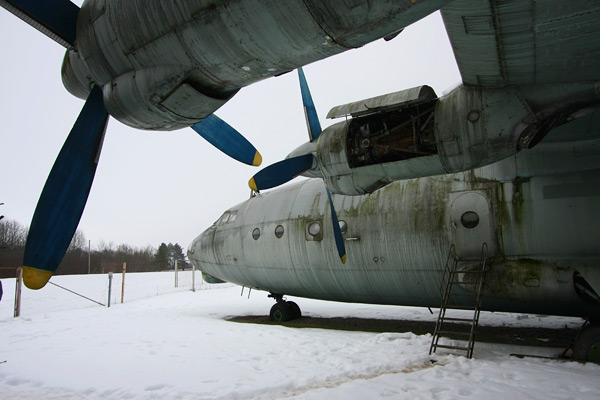
This Soviet cargo flight was 'rescued' during the withdrawal of the Russian troops from Estonia which was completed in 1994. It's possible to get inside the flight and admire the 'simplicity' of the An-12 (e.g. there is no radar), if you can get a hold of the owner.
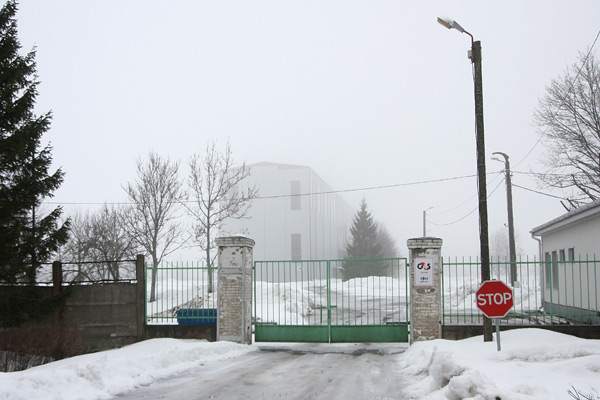
During the Soviet occupation, Paldiski was a top secret Soviet naval base for submarines. Part of the facilities was a full scale nuclear submarine simulator to practice upcoming deployment. Apparently, they didn't want the reactor too close to the base, so they made a secret underground nuclear reactor further out. Today, the reactor has been sealed off with a concrete sarcophagus and on top stands a dummy building of unknown origin. The area is still fenced off and guarded, but you are allowed to peek through the gate from a distance. Note the 'hammer and sickle' art piece south of the building.
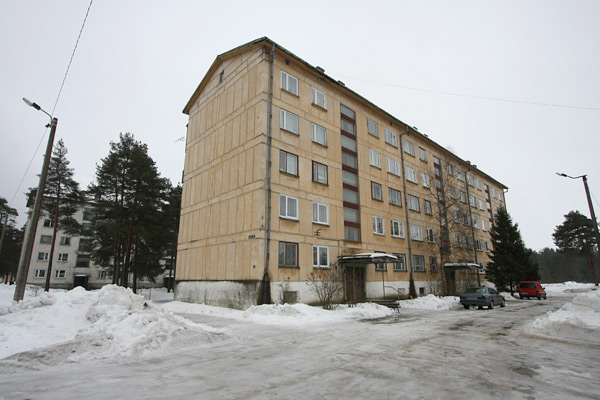
Throughout Estonia it's still possible to see some of the 'fine' architecture from the Soviet times. Entire towns like Paldiski were off limits for the public since they functioned as Soviet naval base, or similar. Residence with special permission were housed in those dreadful concrete barracks which later have become so iconic for the Soviet times. It feels like time-travelling to wander through these grim ghettos still in use today. There is just something fascinating about them.
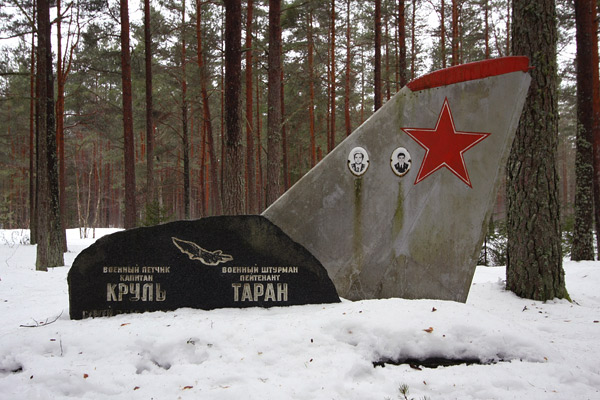
Out in the woods in the outskirt of the bleak settlement of Ämari stands a strange leftover from when Ämari was home to a Soviet air base, a small graveyard for fallen Soviet pilots. Their graves are marked with a tip of a flight wing and decorated with stars and pictures. It's a wonder why these leftovers from the Soviet occupation haven't been kicked over, but that just adds to the bizarreness of this unusual cemetery.
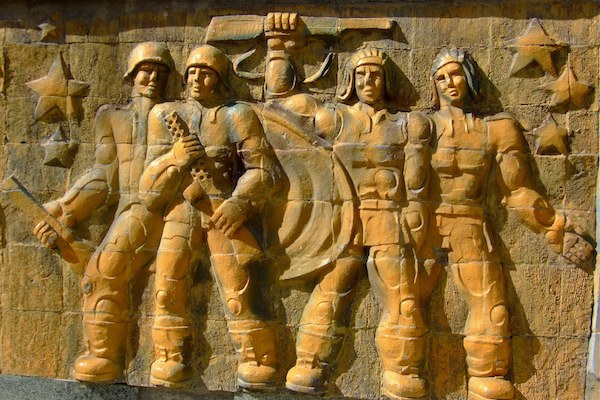
With a 13th century fortress and a beautiful Gregorian Orthodox church, the town of Gori might see a few tourists. But those sites are not what the city is famous for. Instead, it was December 18th, 1878 that forever sealed Gori's status into infamy. That was the day Joseph Stalin was born in Gori. The Stalin Museum is not a celebration of his life, it is instead a historical time capsule for the life of Stalin. Easily doable as a day-trip from the capital Tbilisi, Gori is an opportunity for russophiles to take a walk back into Soviet times. Places like this are few and far between in a region trying to move on from it's troubled past.
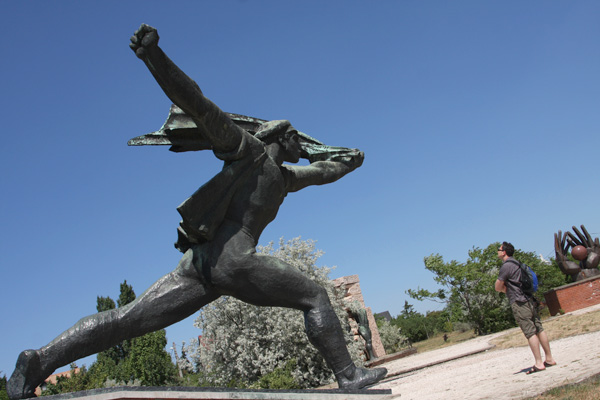
The Communist Statue Park, or just "Statue Park" (Szoborpark), is a collection of Communist statues and monuments from the Communist period. When the Iron curtain felt in 1989, some enterprising soul saved the disgraced statues and is today displaying them for the joy of tourists. Here you can come face to face with Lenin, Marx, Engels, Dimitrov, Russian Captain Ostapenko, Bela Kun and other "celebrities" from the past, along with a fair amount of hammer-and-sickle.
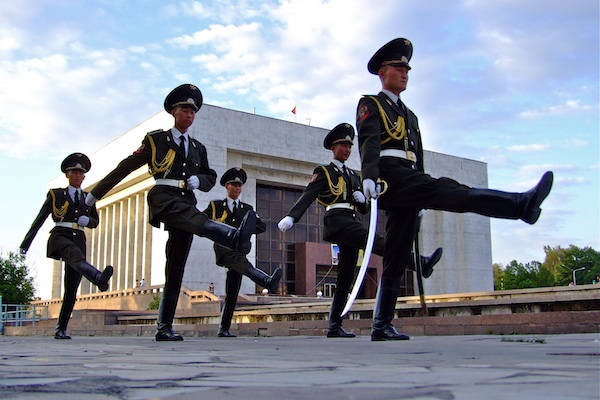
There is certainly a niche market for those in search of yesteryear. For many reasons, icons of the pomp and pageantry of the former Soviet Union are often high on the wish list of those travelling through the greater region. Perhaps no place in the former USSR is better to get a fill of soviet-ness than the Kyrgyz capital of Bishkek. From the military precision of the changing of the flag in Ala-too square to the very pro-soviet imagery in the historical museum to the occasional statues of Lenin still gracing public parks, memories of a bygone era are everywhere. Who knew that a trip to Bishkek would be transport to the past?
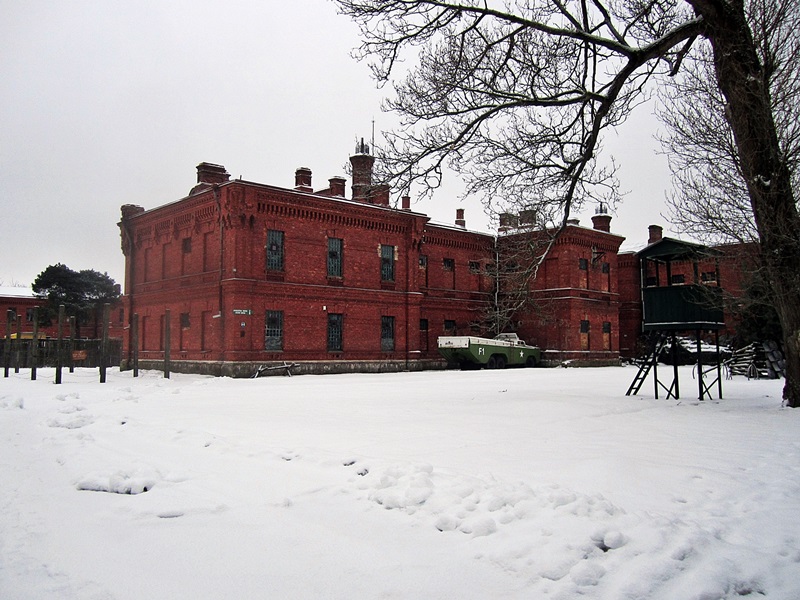
Branding itself as "unfriendly, unheated, uncomfortable" this prison/museum/hotel is set in a former KGB penitentiary, in an area that used to house a Soviet naval base. The haunting experience here is not the two-hour tour of the inmates' daily lives as KGB prisoners conducted by former guards - though the tour is grim in its own right. For a truly haunting experience, you can spend a night locked up inside the prison. You will be handcuffed, shouted at and woken by sharp lights and sirens during the night; the treatment is miserable, just as it were for the inmates. It is both a horrific and memorable experience. Certainly not for the faint-hearted, but an attractive option for those who seek a better understanding of detainees' conditions than what regular museums can provide. Located in Liepāja's northern suburb of Karosta, meaning War Port, the prison share the neighbourhood with a range of abandoned apartment buildings. These empty concrete blocks, five to six floors high, are left as a crumbling reminder that the Soviet Union and the KGB are no more.
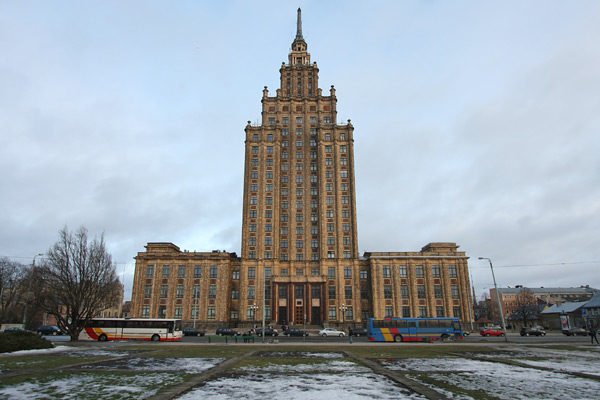
This 108 m tall monster of classic Soviet architecture is locally known as 'Stalin's birthday cake'. Officially is the Academy of Science, Zinātņu Akadēmija, but today it's less science with more space taken up by anyone from astrologists to private enterprises. It was built between 1953-56 and is similar to other Stalin-era skyscrapers like the Moscow State University, Palace of Culture in Warsaw and Hotel Ukrania in Kiev. It was completed without the Stalin portrait that was supposed to be a part the facade, for Stalin died during the construction in 1953 and was quickly disowned afterwards - but the Latvians were probably alright with that.
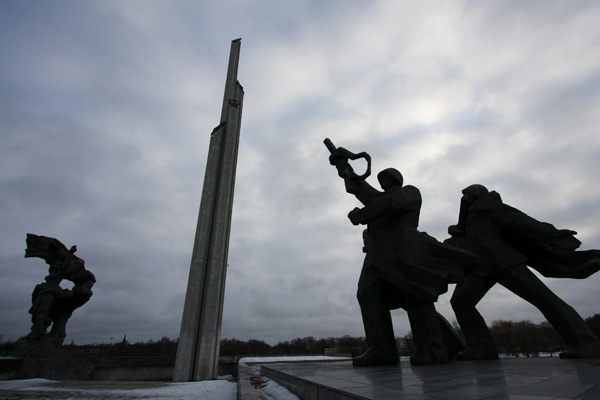
Riga is full of quirky sights. Take this not-so-small Soviet-era concrete monument. Erected in 1985 to honour the Soviet army's victory over Nazi Germany in World War II. The Nazis were after all in more contempt than the Soviet occupation force, so this fine piece of communist art has been left alone.
1 2