

National Parks in South America

© Luke Kenyon
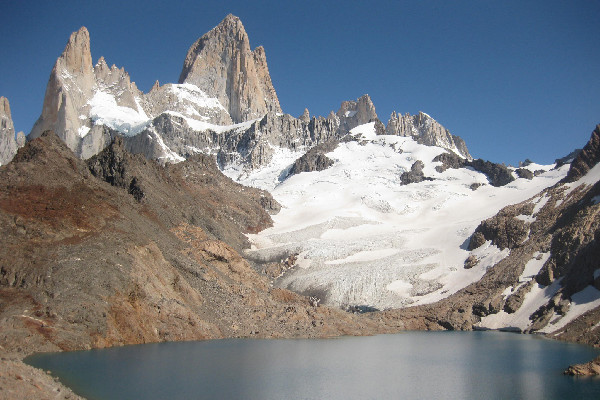
Situated way down south on the Southern Patagonian Ice Field is the village of El Chaltén popular amongst hikers, campers and adventurers as a gateway to the Los Glaciares National Park. Stopping in at the ranger’s station close to the entrance of town, visitors can obtain a photocopied map of the national park and venture out by themselves on a number of day trip and overnight hiking trails. Don’t let the photocopied map on an A4 piece of paper discourage you as the trails are well marked and most lead to the same spot at the camp close to Mt. Fitz Roy. The mountain is the tallest in the area, standing at 3,375 m which is small by South American standard’s. It does however create a challenging walk for climbers taking the windy route to the glacial pool situated at the base of the mountain.
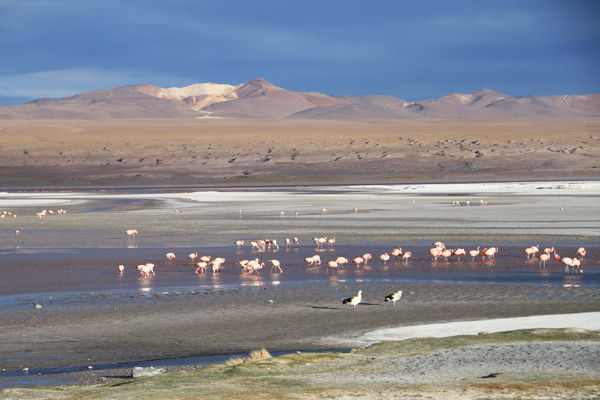
The south-west corner of Bolivia, straddling the border to Chile, is a unique area on this planet. It is protected as a national park but the beauty of this region reaches way beyond the borders of the park. The arid altiplano landscape is dotted with volcanoes such as the active Ollagüe (5863 m) where you can see smoke rise from its side, and the perfectly symmetrically shaped Licancabur volcano (5920 m) on the border with Chile.
The park and region is however mostly known for its many lakes that all have different colours from white to blue, green and red. The most famous ones are the Laguna Verde, at the Licancabur volcano and the Laguna Colorado. The colours of these mainly salty lakes come from different algae and plankton. It is this algae that attracts the three different species of flamingos that are present in high numbers at most of the lakes. This area keeps surprising because there is still much more to see. There are geysers and bubbling mud pools at Sol de Mañana, there are hot springs to warm up on a chilly morning, rock formations such as the Arbol de Piedra and there is the rabbit with a long tail called viscacha.
The park and region is however mostly known for its many lakes that all have different colours from white to blue, green and red. The most famous ones are the Laguna Verde, at the Licancabur volcano and the Laguna Colorado. The colours of these mainly salty lakes come from different algae and plankton. It is this algae that attracts the three different species of flamingos that are present in high numbers at most of the lakes. This area keeps surprising because there is still much more to see. There are geysers and bubbling mud pools at Sol de Mañana, there are hot springs to warm up on a chilly morning, rock formations such as the Arbol de Piedra and there is the rabbit with a long tail called viscacha.
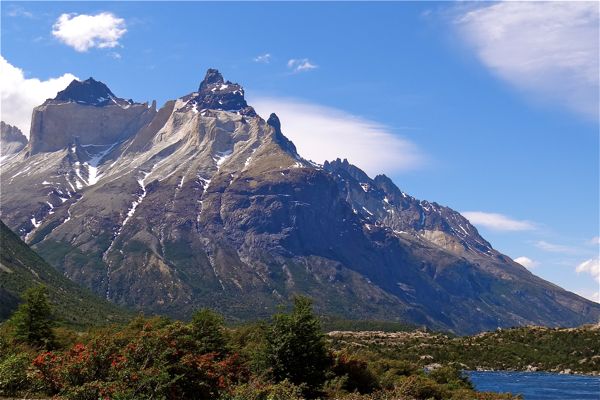
Torres del Paine National Park covers approximately 180,000 acres, and one can easily spend 2-3 days in the park. The area is beautiful and very varied with mountains, glaciers, forests, beautiful ice blue lakes and is covered with fire bushes with bright red flowers. A number of mammals live there, for instance several fox species, guanacos (a llama species), huemuls (a deer species) and pumas - the latter very rarely. It is also here that the mountain range Torres del Paine is located, and when trekking to the higher peaks, it can be a challenge to stand firm on the hillside, where you encounter the wild winds of Patagonia.
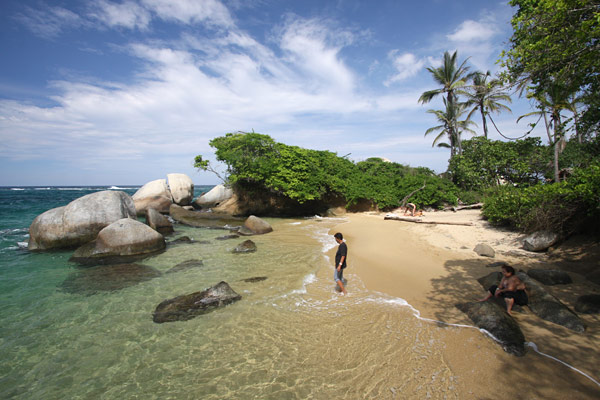
This national park is famed for its beautiful beaches. Stretches of sand that slopes into turquoise water and surrounded by soft boulders and dense jungle. There are no roads, only trails leading you from one bay to the next. Small eateries and simple accommodation (hammocks and cabanas) make out the development on this stretch of else wild coast. Tayrona Indians are still inhabiting the forest and you might catch a glance of them while looking for birds and howler monkeys. The park is understandably very popular with locals, but it is not hard to find your own patch of Caribbean paradise under the palms.
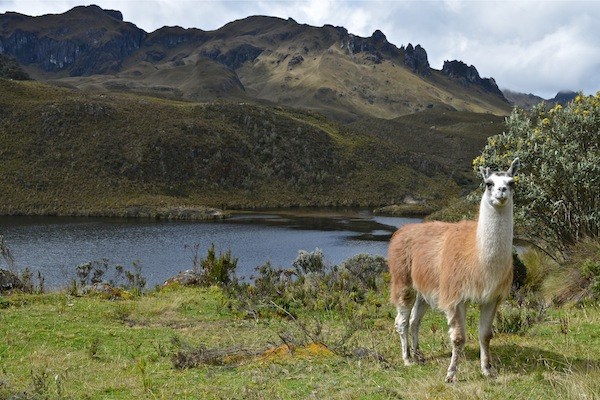
Free is a good price. Easy is (often) the right amount of effort. And awesome is an excellent standard. Put all three together and you get the wonderful El Cajas National Park. One of the most easily accessible parks in Ecuador, El Cajas is a short hop from the town of Cuenca, using public transport. Despite having to register in the park (for safety), getting free maps and birding guides and having the best marked trail system in the country, El Cajas still does not charge an entrance fee. With some 270 lakes and lagoons at 3,100-4,450 meters above sea level, the 285 km2 park has plenty of opportunity for short walks, extended hikes and multi-day camping expeditions. And the only other visitors you'll have to share the place with are a few wandering llamas. Easily one of the best parks in the country.
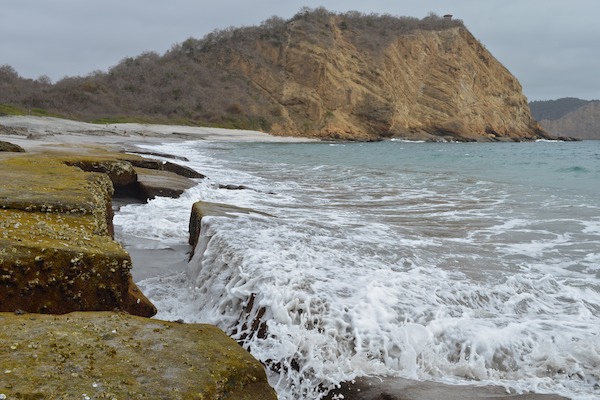
Ecuador's full of national parks. It can be tough to pick and choose. But Machalilla National Park must certainly be in the running for one of the best parks in the country. The park is a two-part adventure: the mainland and the islands. On the mainland, a series of trails cut through the apocalyptic dry forest which seems dead during the dry season. While you can visit a number of small, relatively empty beaches, it is Las Frailes that is the highlight (often touted as the best beach in Ecuador). Then there's Isla de la Plata. Nicknamed the "Poor man's Galapagos", the island offers an opportunity at some amazing wildlife viewing, including nesting Boobies and migrating whales. Certainly, wildlife+forests+beaches must equal a fine place to visit.
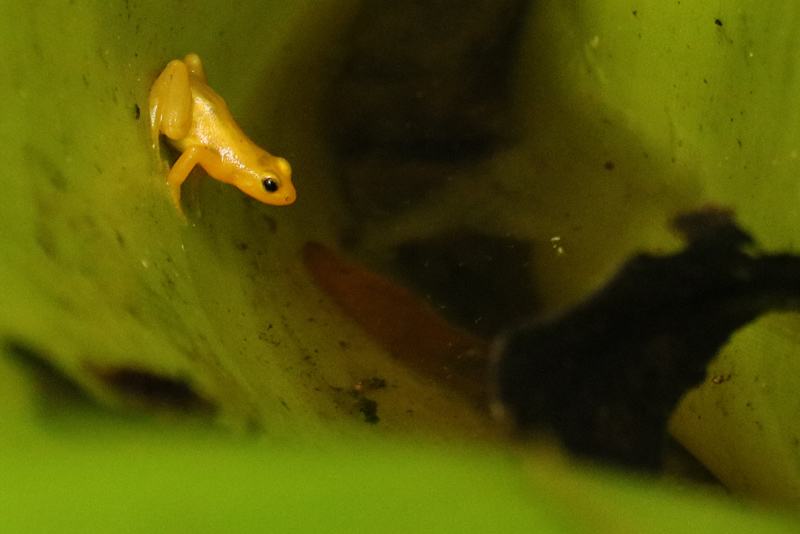
Most visitors to Kaieteur Falls just fly in and out the same day, but the waterfall lies inside Kaieteur National Park, which holds more than just the viewpoints of the spectacular waterfall. The national park encompasses 627 sq km and is home to several endemic species of both flora and fauna, but is particularly known for its miniscule golden rocket frog, which are only found here on the Kaieteur Plateau. It's possible to stay within the park and do different treks, like the one to the bottom of the falls and back up.
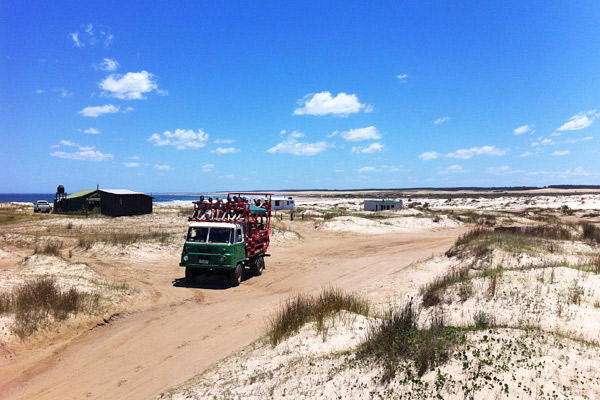
Long beaches, sand dunes, sea lions and a lighthouse, that's what Cabo Polonio is all about! There are only a few hostels, all small wooden houses on or close to the beach with very basic electricity. Thanks to the fact that Cabo Polonio is a protected area, it can maintain its small size and basic lifestyle. There isn’t much to do except relaxing and going for (beach) walks, but that is exactly the reason for coming to this chilled place. To get there you have to take the park’s 4x4 truck on a sandy road, which already makes for half the fun. It builds up the excitement of getting there and you can do some bird watching in the meantime.
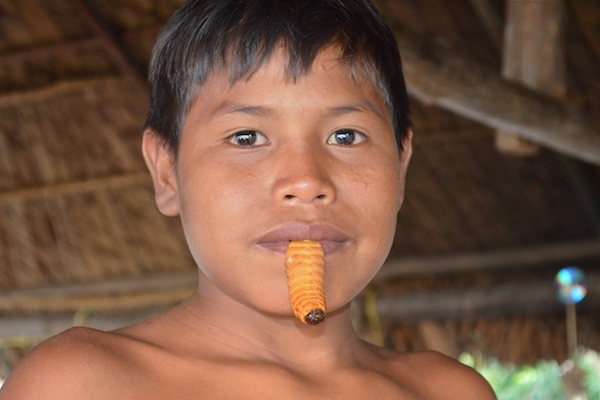
With vast swathes of jungle area, Venezuela is a great place for swapping car horns for howler monkeys. Unquestionably, the easiest place to do so is where the mighty Orinoco river spills out into the ocean at the Delta del Orinoco National Park. Several jungle camps are well set up as bases for jungle walks, wildlife spotting and visits to the villages of the indigenous Warao people. Knowledgeable local guides teach you the ins and outs of sustainable living both on the myriad of waterways and in the seemingly endless untouched jungle. Be prepared for up close encounters with many plants and animals plus a tasting of a few of them. A wild experience.