

Silk Road
1 2

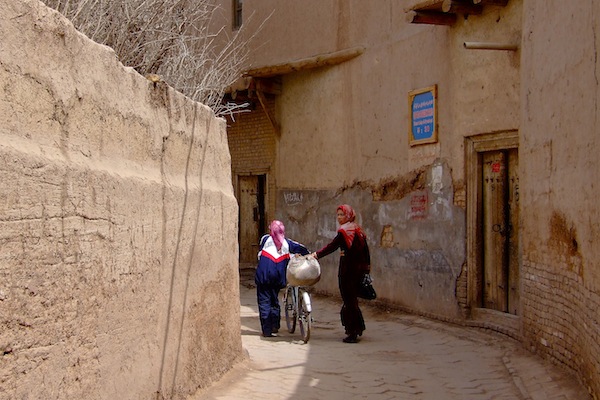
A main reason for many travellers to visit China is to experience a culture and civilization older than time itself. Sadly, in an age with an emphasis on modernization, many amazing sites are being torn down then built new in the old style. Kashgar, in the far western Xinjiang province, is a perfect example of this. Culturally different with its muslim Uighur population, Kashgar is like nothing else in China. Its old town is a maze of mud brick homes filled with amazing hospitality. But it's quickly disappearing, only to be replaced by a shiny new replica. The only advice is to get here before it's gone.
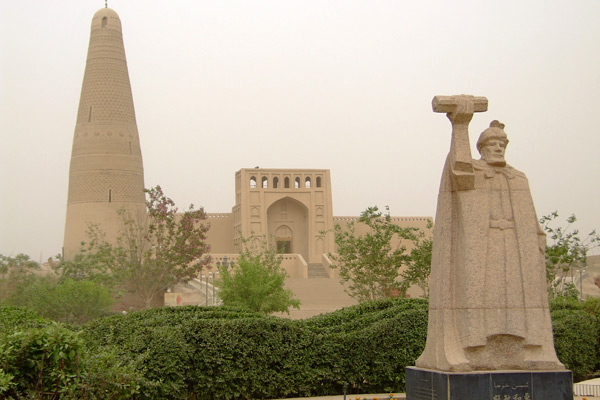
Long a fertile oasis centre and a real hotspot on the ancient Silk Road, the town of Turpan, in Xinjiang province, has a surprising number of excellent sites on offer. Everything from Grape Valleys to the Emin Minaret to Gaochang Ancient City to Buddha Caves and more... Turpan has a cavalcade of hits that are relatively unvisited. Although it could possibly be done as a day trip from the capital of Urumqi, overnighting is highly suggested. Any hotel can set up an easy day tour around the main sites, then the opportunity to freely wander the market in town is a great way to spend a day (or even two).
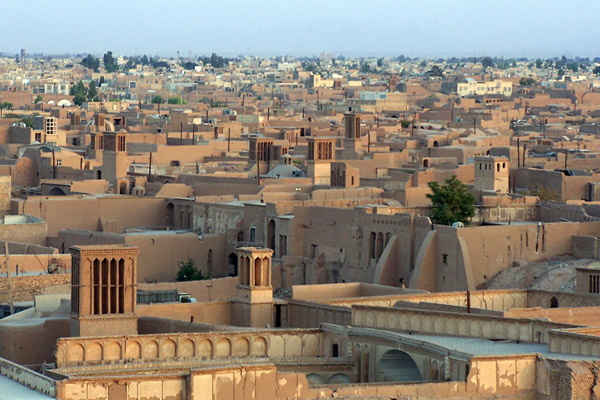
Yazd's old quarters are just one of those fine travel surprises, which you probably hardly have heard about (until now). It's among one of the oldest towns in the world and the beautiful old city is still inhabited. A maze of narrow passageways between the adobe houses will get you lost in no time. Most houses are topped of with a so called windcatcher or badger, that is an ancient air-con system. The city was a major stop on the ancient silk route and Marco Polo passed through at some time.
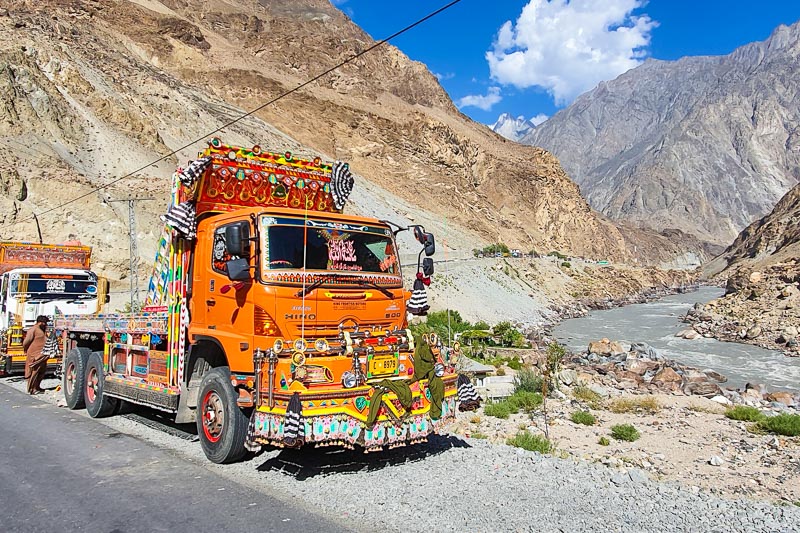
The famous Karakoram Highway (N-35) starts at Hasan Abdal in the Punjab province and winds its way through the high mountains of Pakistani Himalaya until it reaches the Khunjerab Pass (4,730 m) and the Chinese border 1,300 km away. It follows a branch of the ancient Silk Road, and was built by blasting into the mountain sides during the 1960s and 70s in collaboration with China. Today it's an attraction itself and the gateway to even more adventure in the valleys it connects, where Hunza Valley is the centerpiece of KKH.
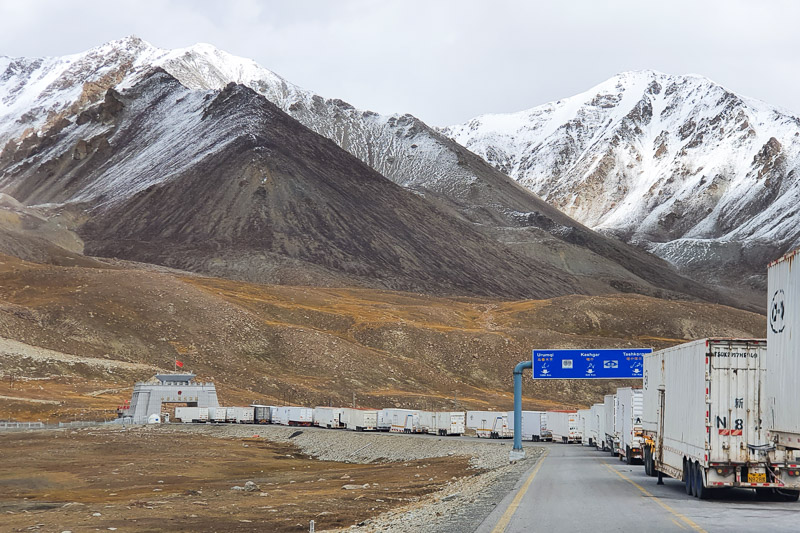
The Khunjerab National Park is located to the extreme north of Pakistan along the border to China. It's best known for being home to snow leopards, but the huge national park (5,544 sq. km) is the natural habitat for several endangered species, like Marco Polo sheeps, brown bear, Blue sheep, Tibetan wild ass and Himalayan ibex. Due to the high elevation of 4,000 m or more, the flora is equally unique. The high altitude road crosses the Khunjerab Pass (4,693 m) before ending at the border to China, which is an attraction of itself.
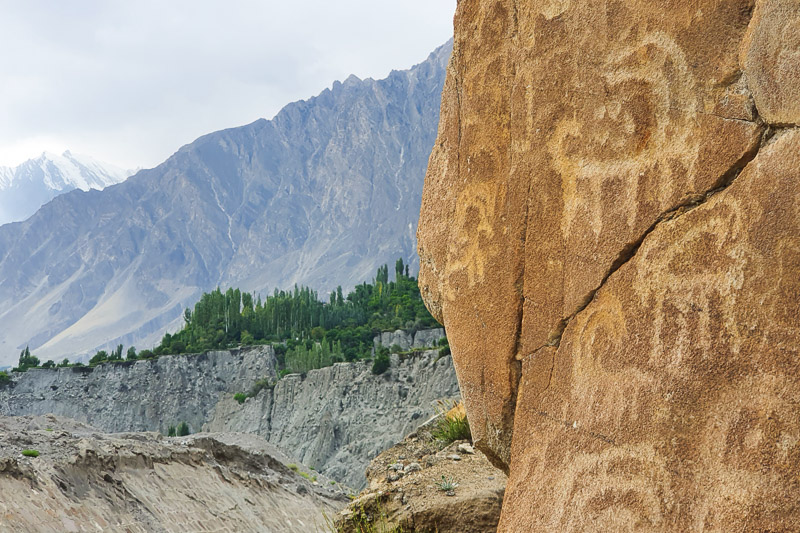
Outside Karimabad in Hunza Valley next to the Karakoram Highway stand four boulders covered in petroglyphs. The rock carvings are locally known as "Sacred Rocks of Hunza" or Haldeikish (meaning "a place of many male ibex"). The carvings are believed to date back to the 1st millennium AD. There are thousands of carving, many of ibex and goats, but there are also inscriptions in different languages including Chinese, Tibetan, and Brahmi, written by Silk Route travellers. The site is surprisingly well-preserved even though it's only partly fenced off.
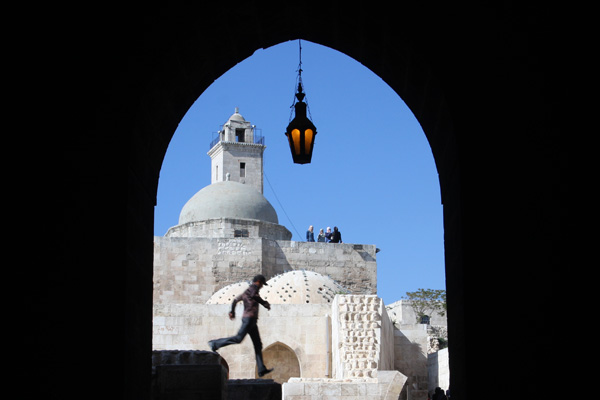
Aleppo is the iconic Middle Eastern bazaar city, with an amazing souq (market), an impressive citadel right in the middle, old Mercedes in the streets and friendly people. In its heydays, it was one of the most important trade centres on the Silk Route, but even today you can still shop-till-you-drop for local stuff like olive soap. Rise to the top of the tower in the citadel to get panoramic views of the town and visit a hammam (public bath) or some of the old traditional houses that are open for visitors. The new part of town attracts the young and rich, where they go double dating over tea and apple nargileh (water pipe) in a Starbuck's look-a-like café. A great city that you can keep exploring.
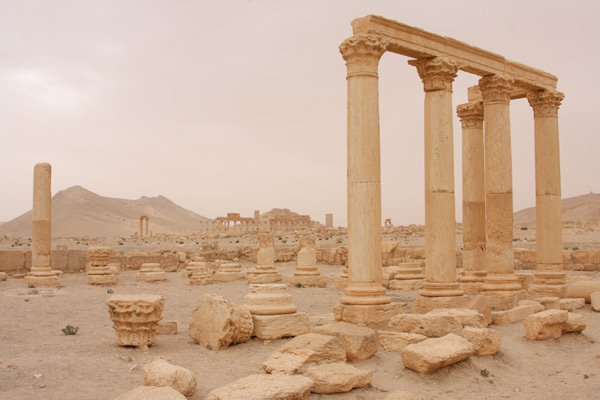
This set of marvellous ruins of an ancient city is the icon of Syria. The place started out as an oasis town in the desert, but became a mandatory stop on the flourishing silk route. The city grew rich and powerful and even managed to become a "free city" within the Roman Empire. Then queen Zenobia came to power and rebelled against Rome. She managed to beat up some Roman forces and invade the whole of Syria, Palestine and Egypt, before the glorious days were over and in 271 AD Palmyra was again under Roman control. Even today, it's easy to imagine how impressive the city must have been for visitors. In typical Syrian style, the site is informal with no entrance (except for the Temple of Bel), fences or explanations but it only adds to the magic of the place.
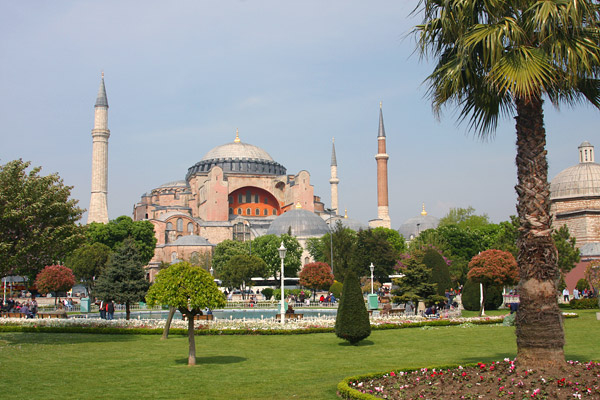
Istanbul is soaked in culture, history and glory. Previously known as Byzantium and later on Constantinople it has played an important role through out times. Posited right at the Bosphorus Strait, the entrance to the Black Sea, and sprawling over both the Asian and European continents it is a city that can take some time to get your bearings. The skyline of Sultanahmet (old town) is dominated by the giant domes and minarets of the mosques that have made Istanbul so iconic, while the vibrate neighborhood of Beyoğlu is heart of modern Istanbul packed with fine cafes, small restaurants and boutiques. Keep in mind that Istanbul is no hidden secret (and probably never has been). Tourists from around the world pour in by the busload, pressing prices up and ordinary Turks out. So to get the most out of any Istanbul visit, break out of the tourist bubble at Sultanahmet and go explore the less known areas.
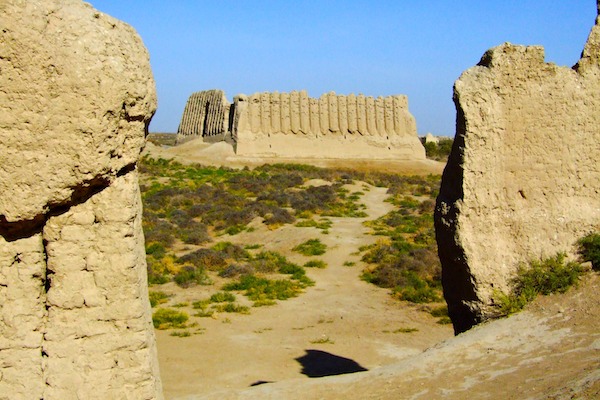
The origins of Merv are prehistoric, possibly as far back as the 3rd millennium BC. Leaders came and went but Merv kept growing. There's even a claim to fame that it was the largest city in the world in the 12th century. Today, little remains. Essentially, there are several small walled cities that became amalgamated into one. The few ruins are rather scattered and a car is almost a necessity for a visit. For the few that actually make it to the areas, a visit is well worth it. Rarely does one have the opportunity to roam around a UNESCO world heritage site with quite literally nobody else around (it is Turkmenistan after all).
1 2