

Underground places
1 2

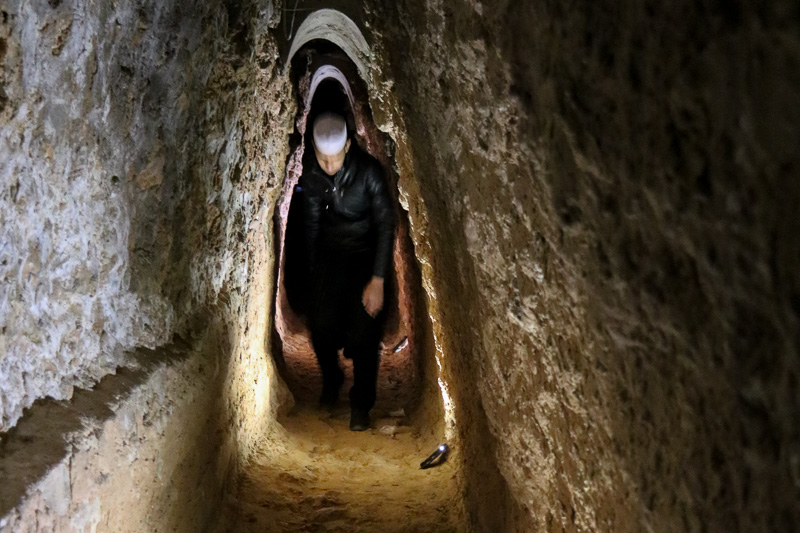
So how can palm groves, fruit trees and vegetable gardens grow in the middle of the Sahara desert. In M'zab Valley they have over centuries constructed a sophisticated irrigation system which leads water (when it comes) to where it's needed. In Ghardaia Palm Grove they have constructed of system of underground tunnels, some tall enough for a (short) man to stand up in. It's possible to explore these dark tunnels when they are waterless.
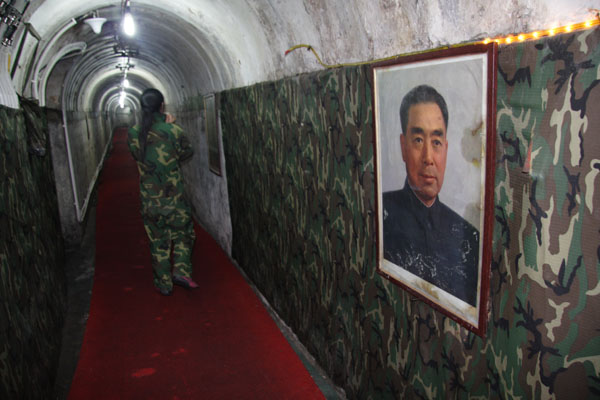
Under the broad boulevards of Beijing exists a system of tunnels that Chairman Mao ordered to be dug out in the late 1970's in the event of a Russian attack. The whole system should be longer than the Chinese wall (5000 km) and some parts wide enough for the Chairman's limo. It seems that these tunnels are long forgotten by the Chinese themselves, and rumours are that Chinese tourists are not even allowed in them. More the reason to visit them, if not for the history then just for the absurdity of them.
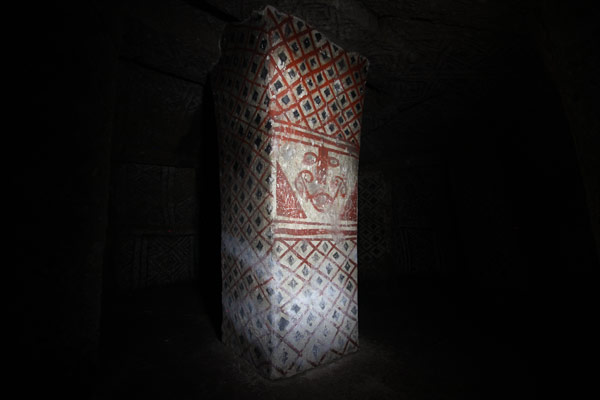
In the surrounding hills of the village of San Andres de Pisimbala are several groups of underground burial chambers, also known as Tierradentro. Not much is known about the ancient culture that left these behind, but it is believed that the tombs are from 6th to 9th centuries AD. The inside of the chambers were painted in bright geometric patterns and creatures, and to this day it can still be seen in the best preserved ones. A visit to all four sites (Segovia, El Duende, Alto de San Andres and El Aguacate) will at least require a day's walking in the beautiful mountains and will also include the site of El Tablon where mystical stone statues, similar to the ones at San Agustin, can be seen. It is the only place in the Americas where such tombs have been found, and a wonder why they are so seldomly visited.
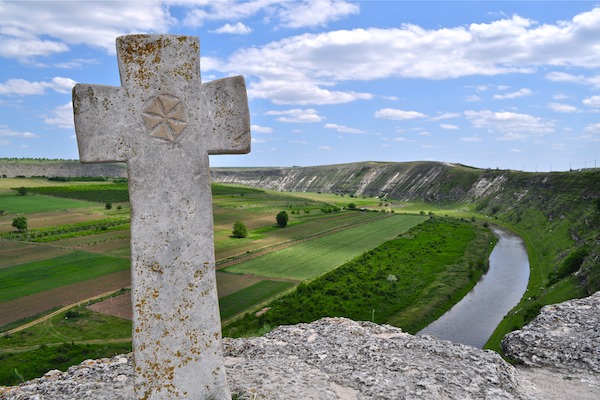
According to statistics, Moldova ranks as one of the least visited places on Earth. This may be due, in part, to the fact that the country lacks any significant tourism sites. But one thing is for sure, if you ask any local what you should see in the country, it is almost guaranteed the first answer will be Orheiul Vechi. A short drive north of the country's capital, and slightly outside the town of Orhei, an old monastery stands on the edge of a cliffside perched over an ancient winding river. The monastery complex, the Church of the Ascension of St. Mary, is the first thing that visitors will notice. However, it is the descent into the darkness of the underground monastery that is the real draw. Luckily, for those with a bit of claustrophobia, fresh air and lovely views over the fertile valley are never too far away. Remember not to visit on a weekend or holiday, unless you like being squished in with pretty much half of the population of picnickers from the city!
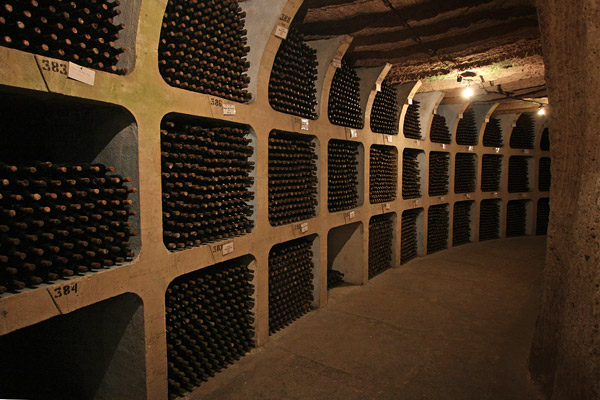
Very few seem to know this, but Moldova is actually semi-famous for its wine. You will however notice this right away when arriving to the country for every hill and every field seem to be covered in long rows of grapevines. The two biggest wineries are Milestii Mici and Cricova, both can be visited on a winery tour. They are both located underground in limestone mines and are very large, as in largest in the world. The wine collection at Milestii Mici alone contains more than 1.5 million bottles, which makes it the largest collection in the world. The underground network at Milestii Mici is more than 200 km long (Cricova is "only" 120 km in length), though only 55 km of those are used for storage, and every underground street has a catchy wine-name like Sauvignon street. Any wine tour ends of course with some wine sampling, which in our case was more about quantity than quality. Keep in mind that bookings are necessary with these not-so-foreign-tourist-friendly wineries.
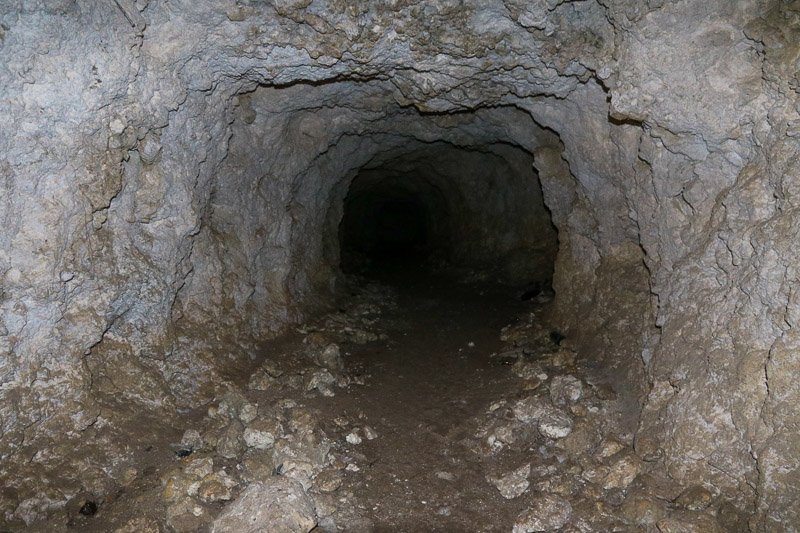
The occupying Japanese forces dug this cave complex during WWII. It was part of their new island-defense strategy, which also included fortified bunkers and underground positions. Instead of stopping the Allies at the beach, the Japanese would only disrupt the landings at the water's edge and depend on an in-depth defense farther inland. The caves and tunnels have afterwards been cleared for unexploded ordnance, so today it’s open and anyone can venture into the pitch dark tunnels. Remember a flashlight (and to bend down).
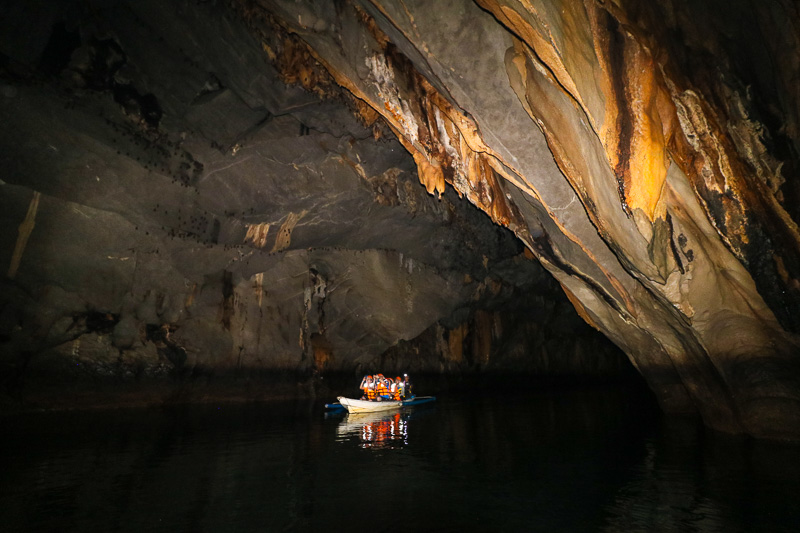
This extraordinary underground river is part of a 25 km long cave system, whereof 8.2 km is a river. To add to its uniqueness, the river also outflows directly into the sea. You can only visit on a tour and those will "only" venture 3 km into the river. But it's truly spectacular to be paddled through the darkness with only the boatman's headlamp to point out rock formations, stalactites, stalagmites and bat colonies. The Underground River, which official name is Puerto Princesa Subterranean River, is not just an UNESCO World Heritage Site, but was also voted as one of the New 7 Wonders of Nature. The tours are well organised, but by doing it from Sabang, and not Puerto Princesa or El Nido, you can be one of the first in the cave.
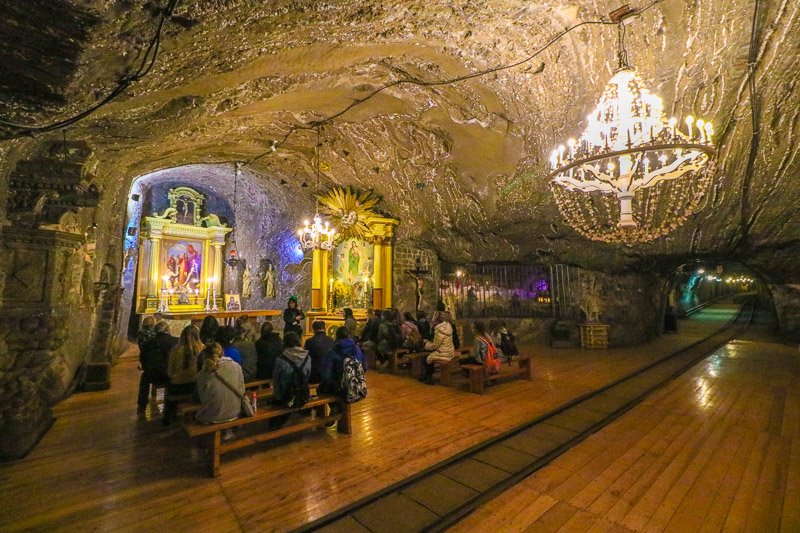
Most tourists visit the bigger salt mine at Wieliczka, but the salt mine at Bochnia is actually older and less Disneyfied. Bochnia Salt Mine has continuously been open since 1248 and was in operation until 1990. Though Bochnia is less touristic than Wieliczka, it has a fair share of clever made multimedia effects, a fun underground train ride and a mine elevator to take you the 212 meters underground - and back up. On the tour you're of course offered to lick the walls to make sure that they are made of salt. There are about 3 km of mine tunnels in total, but tourists can only visit about 1 km (but they're extending). The two mines, Bochnia and Wieliczka, are enlisted as one UNESCO World Heritage Site.
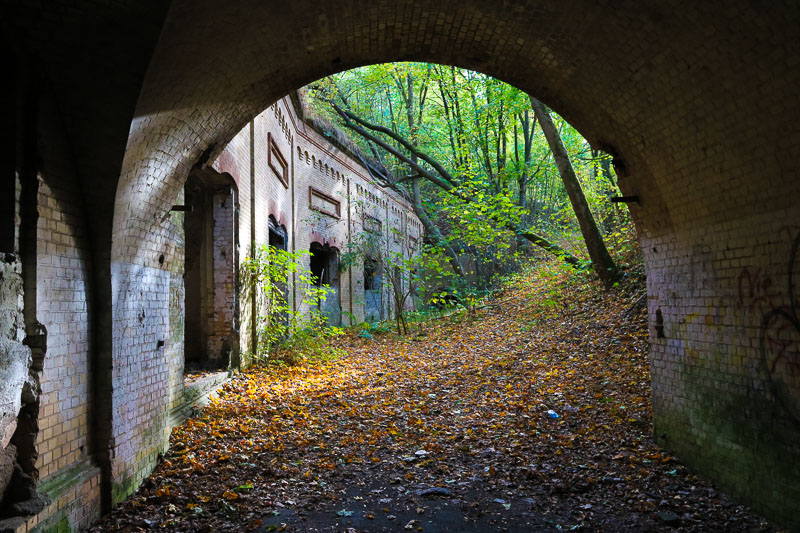
The Fort Sarbinowo is a wonderful forgotten and mystical ruin in the forest. It was one of four forts built at the end of the 19 century to protect the city Kostrzyn, but it lost its strategic position not long after. However, in 1945 there was some heavy fighting here, when the Nazis lost Kostrzyn to the Russians. Today the fort complex has been taken over by the forest (and some graffiti and trash). Walls are crumpled and trees grow in the courtyards, but you can explore the lost ruin freely. There are no signs at the main road, just a dirt road leading into the woods, where you can park the car. Best to bring a flashlight.
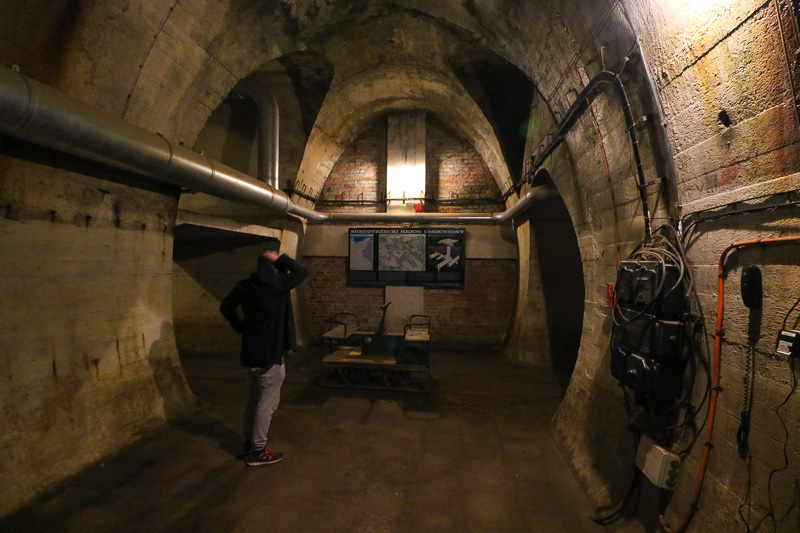
When the Nazis planned these super bunkers between the I and the II World War, they wanted a strong defence line against enemy tanks. But war strategy during WWII turned out to be very different from WWI. Suddenly tanks played a less important role compared to fighter planes and battleships. So the defence line at Miedzyrzecz was never really tested. Nevertheless, the bunker complex was huge and consisted of 21 reinforced concrete bunkers with nearly 30 km of tunnels in between along with barbwire and anti-tank barriers. Today you can visit one of the bunkers and walk in the dark tunnels. You will be taken through the different rooms and gun towers on the first and second level before descending 30 meters to the tunnels, which today house bats. It's a very impressive sight, even for non-history buffs, to see how well the Nazis' bunkers were constructed. You can only visit with a guide, either on a scheduled tour (only in Polish or German) or a private tour (in Polish or German).
1 2