

UNESCO World Heritage Sites in South America
1 2

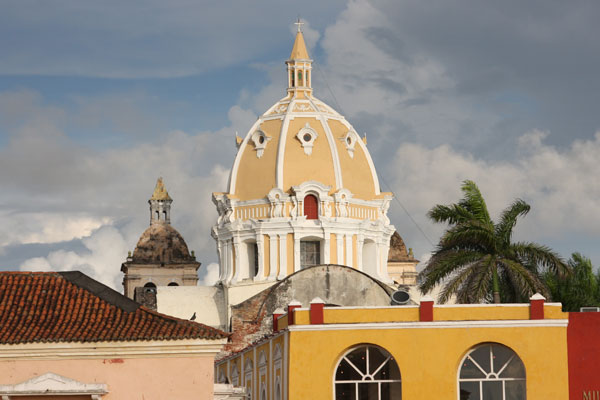
The old walled town of Cartagena must qualify as one of the finest colonial towns in the world. Colourful mansions with giant wooden balconies, a plaza around every other corner, and a wide protective wall all the way around, from where you can overview the leafy courtyards and rooftops. But the centro's polished facades with all the tourist shops and a suffocating amount of street vendors will eventually push you into other neighbourhoods like San Diego and Getsemani. But only for the better, because here you get the real deal. Local homes, scrappy buildings, old people in rocking chairs and colourful characters in the streets (some dodgy, yeah even scary). In the evening, do as the locals, pick a plaza, buy a beer from the corner shop, and watch life go by.
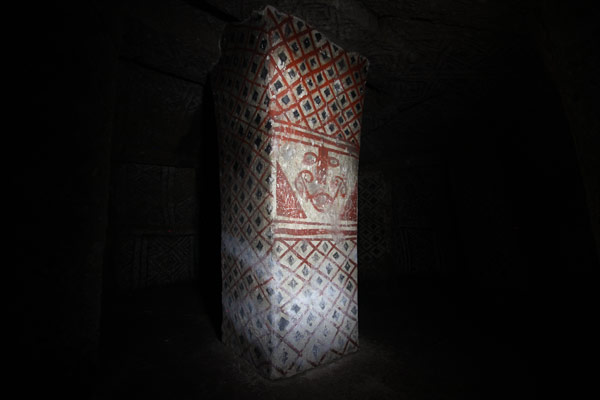
In the surrounding hills of the village of San Andres de Pisimbala are several groups of underground burial chambers, also known as Tierradentro. Not much is known about the ancient culture that left these behind, but it is believed that the tombs are from 6th to 9th centuries AD. The inside of the chambers were painted in bright geometric patterns and creatures, and to this day it can still be seen in the best preserved ones. A visit to all four sites (Segovia, El Duende, Alto de San Andres and El Aguacate) will at least require a day's walking in the beautiful mountains and will also include the site of El Tablon where mystical stone statues, similar to the ones at San Agustin, can be seen. It is the only place in the Americas where such tombs have been found, and a wonder why they are so seldomly visited.
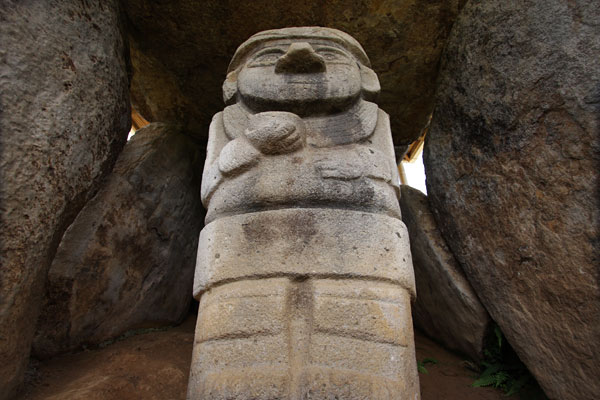
Ancient stone statues that were erected to guard the graves of tribal leaders. They portrait animals and spirits, and were made by a pre-Colombian culture that flourished between the 6th and the 14th century. Even though it is the largest collection of such religious monuments in South America, not much is known about them or the culture and that just makes it even more intriguing. They were originally spread over a wide area around Rio Magdalene, but have mostly been relocated to a handful of sites, where Parque Arqueologico in San Agustin and Alto de los Idolos are the biggest. Similar statues have also been found at Tierradentro, which just adds to the mystery. If you get stoned out while trying to see all 500 statues, the beautiful landscape offers great trails (trekking or horse riding) to viewpoints and waterfalls.
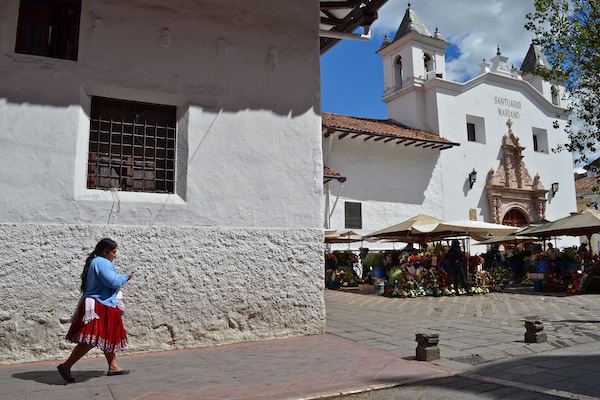
With comfortable year round temperatures, ever improving infrastructure and countless beautifully restored historical building, the UNESCO listed city of Cuenca has certainly caught the eye of retired expats around the world. But for the average travellers, Cuenca is simply a quaint town with a wonderful Old Town. While individual building may not be as big as those in Quito, they are arguably more ornate and intricate. Not to mention Cuenca is much more laid back than the country's capital. There's also the added bonus of some cool day-trips to ruins or national parks. Cuenca seems to have it all going for it.
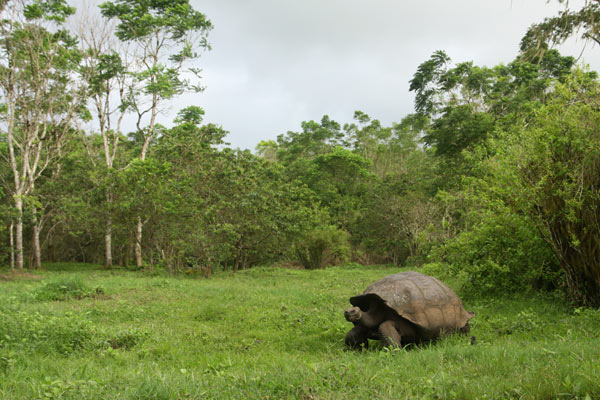
Galapagos Islands are famous for their unique wildlife, which was the inspiration source for Darwin. But what will strike you the most are not the differences between the species on each island, but the fearless attitude the animals have. Due to the lack of serious predators the animals will hardly lift an eyebrow when visitors go ashore. You will get really close to iguanas, sea lions, tortoises and birds, though the crabs seem a bit shy. If not careful, you can easily end up stepping on the wildlife. All the islands offer different wildlife experiences, but a visit to islands like Santa Cruz (main island), Espanola, Floreana (both part of the southern loop) and North Seymour (part of the northern loop) will give you a good taste of this truly unique place. Though any visit to the Galapagos Islands will be pricey, it will be totally worth it.
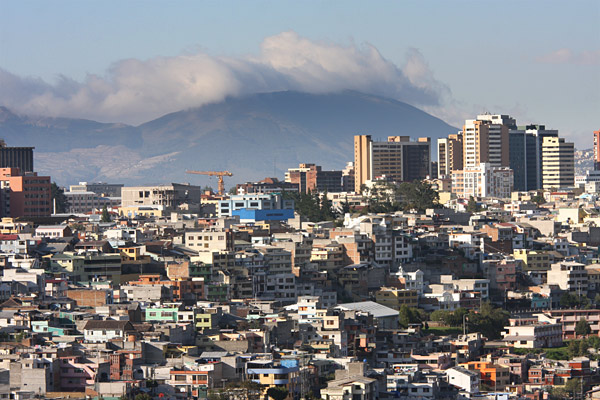
Nobody will claim that Quito is pretty, but it does have its charm if you scratch the ugly concrete surface. The city is spread out along the valley at the foot of the Pichincha volcano, which certainly gives you some nice views. The old town (centro historico), which has been an UNESCO heritage site since 1978, has its fair share of colonial buildings and more than a handful of wonderful old churches. Check out the unfinished and rather drape neo-Gothic church, Basilica del Voto Nacional. Instead of having the usual mythical figures, the spires are decorated with Ecuadorean fauna, like Galapagos tortoises and penguins. Quito is not the best place in Ecuador, but neither is it as horrible as its bad reputation.
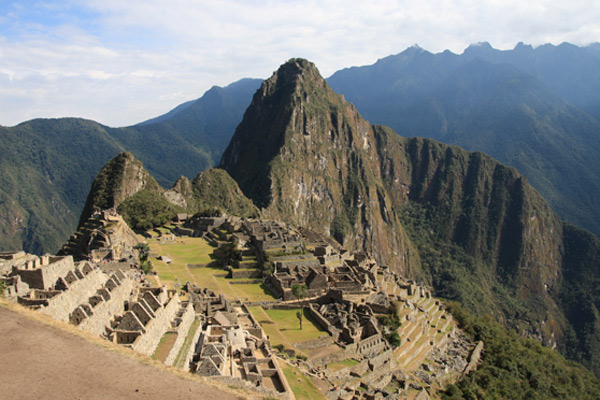
The mighty site of the Incas and Peru’s number one tourist attraction.
When it was first discovered by Hiram Bingham at the beginning of the 20th century the "lost city" was fully overgrown.
Since 2007 Machu Picchu is part of the "new seven wonders of the world list". This event has created even more publicity for the site and even more people are now visiting. It is however still very much worth to visit the site, especially when you have a good guide who can explain you about the meaning of the buildings and stones.
To experience Machu Picchu without too many people you should get there early. Take the first bus up the mountain or start hiking up the mountain even earlier in the night so that you can be there when it opens. This way you’ll even get there before the Inca Trail hikers.
Climbing Huayna Picchu (the mountain behind the site) and climbing Machu Picchu mountain itself give completely different views than known from the classic photos.
When it was first discovered by Hiram Bingham at the beginning of the 20th century the "lost city" was fully overgrown.
Since 2007 Machu Picchu is part of the "new seven wonders of the world list". This event has created even more publicity for the site and even more people are now visiting. It is however still very much worth to visit the site, especially when you have a good guide who can explain you about the meaning of the buildings and stones.
To experience Machu Picchu without too many people you should get there early. Take the first bus up the mountain or start hiking up the mountain even earlier in the night so that you can be there when it opens. This way you’ll even get there before the Inca Trail hikers.
Climbing Huayna Picchu (the mountain behind the site) and climbing Machu Picchu mountain itself give completely different views than known from the classic photos.
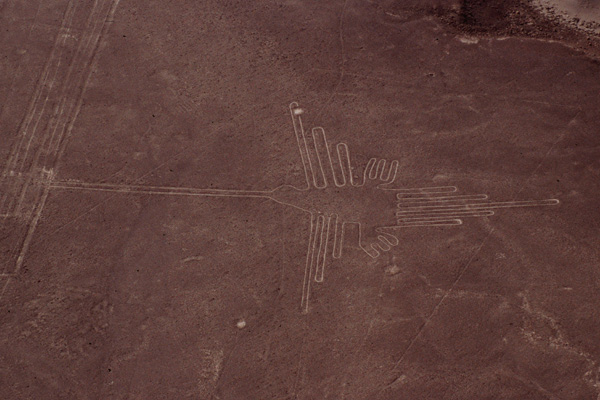
In the Nazca desert, about 400 kilometers South of Lima you can find the Nazca lines. They date from the ancient Nazca culture, which is way older than the much more known Inca culture. The area is covered in lines of which some of them represent (animal) figures such as the monkey, hummingbird, spider, a pair of hands and even an image which is called the astronaut. The lines were made by removing the top layer of the earth, showing a layer with a different color.
The images are very large so you have to view them from a small plane. Although many people don’t make it out of the plane without feeling sick (some of the pilots fly rather adventurous and love offering the passengers nice views) it is well worth the ride!
The images are very large so you have to view them from a small plane. Although many people don’t make it out of the plane without feeling sick (some of the pilots fly rather adventurous and love offering the passengers nice views) it is well worth the ride!
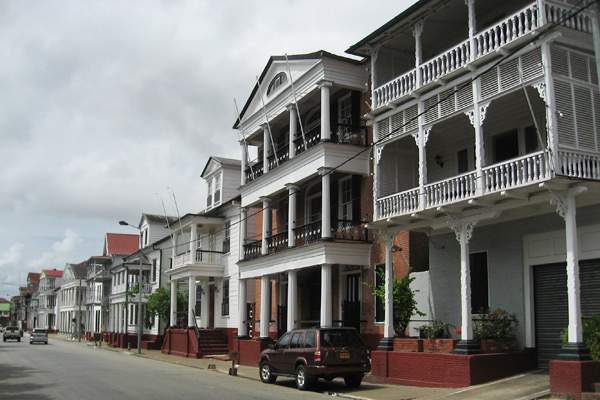
Pretty Paramaribo is a colonial jewel. The old town is full of well-kept colonial houses with front porches, steps leading up to the front door and white-washed wooden walls. No wonder it is now protected by UNESCO. The Dutch colonial history is very present in all the names you see. The Palmentuin (Palm garden) is a pleasant place for a stroll and the St. Petrus en Paulus Cathedral is supposedly the tallest wooden building in the world. Fort Zeelandia is a great place for a lunch unless you feel more like an Indian Roti or some Indonesian food at the colourful market. Paramaribo is furthermore one of the few places in the world where you can see a mosque and a synagogue peacefully next to each other. Hopefully, Paramaribo will be able to keep its charm after the big plans they have for changing over the Waterkant (water front).
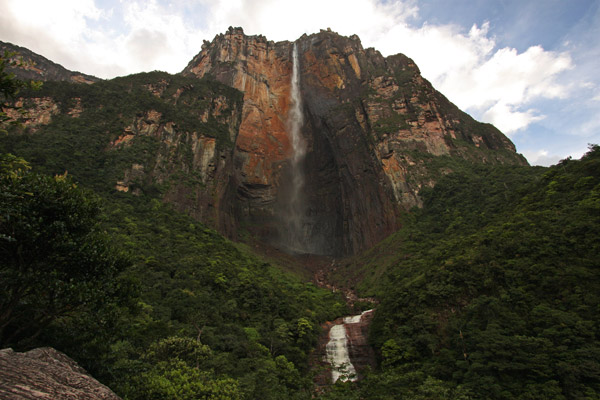
A trip there is more than just viewing the tallest waterfall in the world (1002 m), it is an amazing journey through one of the most spectacular landscapes on the globe. A tour will normally start with a flight into the small indigenous village of Canaima about 50 km from the falls. The surprisingly nice setting will for sure impress you (think lake, waterfalls and palms in the most cliche way). From here the trip goes upstream in a canoe zigzagging through small rapids and escaping big boulders. The sheer sides of the ever present huge tepuis (tabel mountain) of "God of Evil" will be leading the way into the Devil's Canyon, where the Angel Falls are plunging over the edge at the very top. Even with a trek up to the base of the falls, it is hard to grasp their gigantic size. Don't consider the narrow belt of water as the highlight, but merely a grand finale of a great trip.
1 2