

Waterfalls

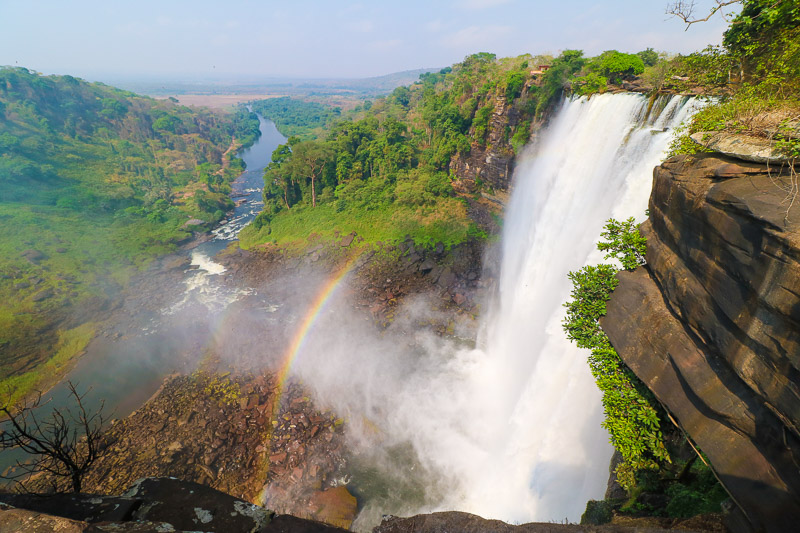
Thrilling and spectacular Kalandula Falls is the second largest waterfall in Africa by volume. There are two sections, a large single drop (105 m) one and a wide one which cascades down over rocks. The parking lot is at the top of the falls, where you also find the fenced off viewing platform with probably has the best view. But as nothing else is fenced off, you can explore the top of the falls by jumping from rock to rock. There are several big boulders with overhang, which offer the brave and fearless an opportunity to peer over the edge. Be careful, as it wouldn't be the first time someone falls down. Young local men will offer their guide service to take you either down to the bottom or further along the top to another breathing viewpoint right between the two sections (photo). Again, be super careful.
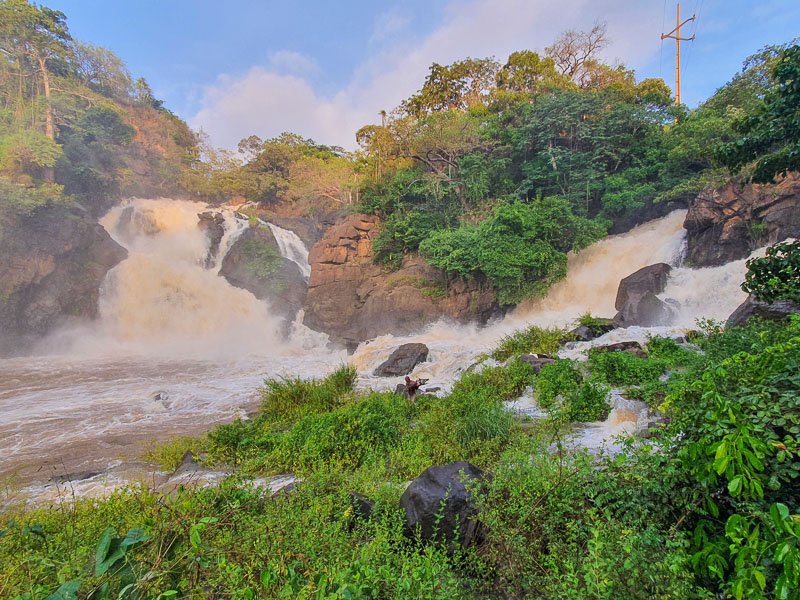
The Keve River waterfall (Cachoeiras do Binga no Rio Keve) is modest 28 meters high, but what it lacks in height, it has in power. Though it can be viewed from the bridge crossing Keve River, the best views are from the bottom across the river. Here are some restaurants located, but the river bank below can be reached by a short steep hike, which starts a bit up the road (across the road from the flat sandy area).
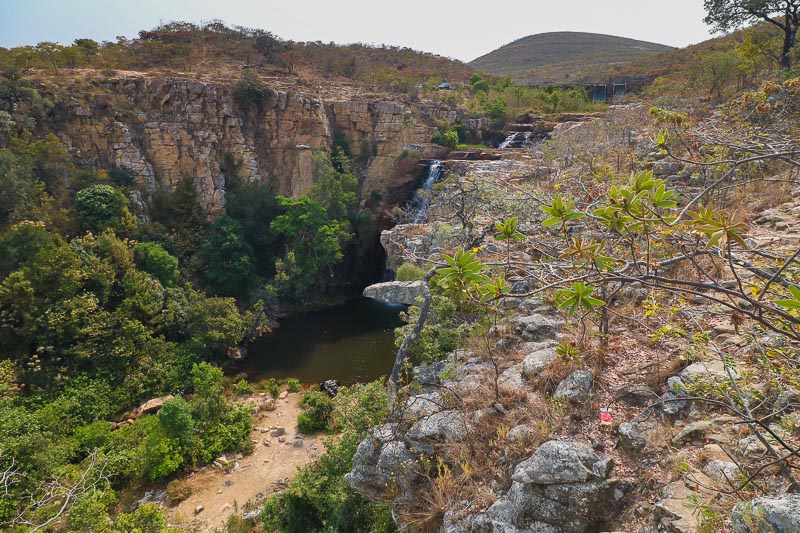
A short detour from the main road to Tundavala Gorge leads to this waterfall. There are multiple levels with several pools, but unfortunately the area is littered with empty beer cans. In 2014 two men went drunk driving and went over the edge and died. The car wreck still lies in the pool at the bottom of the falls.
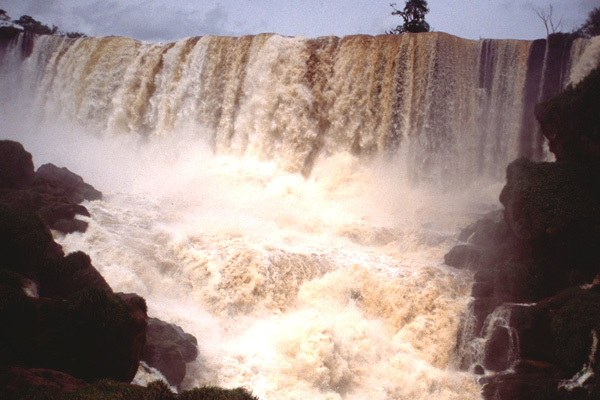
In the north of the country, at the border of Brazil and close to the border of Paraguay, you can visit these fantastic waterfalls.
Visiting from the Argentinian side is the most rewarding. You can get a lot closer to them than from the Brazilian side. From close-by you can experience the great force of the water, especially when standing just above the Garganta del Diabolo - 'The Devil’s throat'. If you want to get even closer, you can take a tour on one of the powerful rubber boats that bring you right underneath some smaller sections of the waterfalls. Don’t expect to stay dry!
Visiting from the Argentinian side is the most rewarding. You can get a lot closer to them than from the Brazilian side. From close-by you can experience the great force of the water, especially when standing just above the Garganta del Diabolo - 'The Devil’s throat'. If you want to get even closer, you can take a tour on one of the powerful rubber boats that bring you right underneath some smaller sections of the waterfalls. Don’t expect to stay dry!
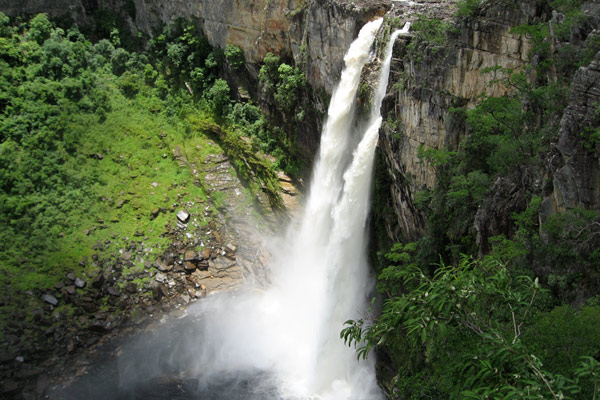
Only a few hours away from the capital Brasilia, in the state of Goias, is the Chapada dos Veiadeiros. A National Park great for hiking with plenty of waterfalls where you can cool down and swim.
The Vale da Lua (valley of the moon) is part of the National Park. This is where a river runs through a landscape of boulders smoothened by the river making is seem a bit like a moonscape. It is fun to follow the river jumping from boulder to boulder and eventually jump in the water.
Both towns nearby - Alta Paraiso and São Jorge - are quiet and typical towns of the interior of Brazil. At night you can chill at a local bar and with some luck the locals will start playing music and start singing Brazilian country songs.
The Vale da Lua (valley of the moon) is part of the National Park. This is where a river runs through a landscape of boulders smoothened by the river making is seem a bit like a moonscape. It is fun to follow the river jumping from boulder to boulder and eventually jump in the water.
Both towns nearby - Alta Paraiso and São Jorge - are quiet and typical towns of the interior of Brazil. At night you can chill at a local bar and with some luck the locals will start playing music and start singing Brazilian country songs.
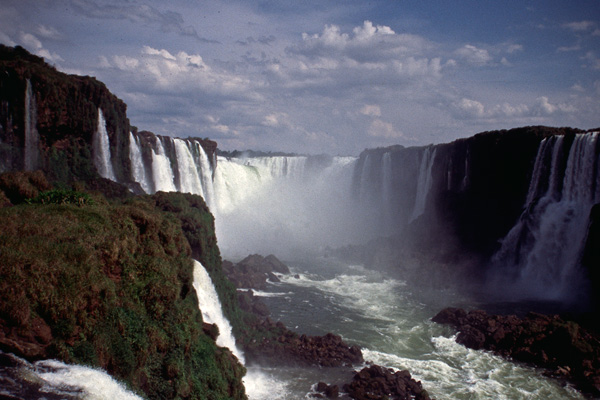
Brazil shares these fantastic waterfalls with Argentina. They are not the largest, highest, widest, etc of the world, others take these honors, but they are very impressive. You can go visit from either country. From the Brazilian side you get a larger overview of the falls from a trail across the river. It gives you a good idea of the vastness of the falls. Also the surrounding nature is beautiful. You can see several animals. Birds such as egrets and toucans but also the adorable Coati. Foz do Iguaçu is the access town but except for visiting the falls there is little else to do here.
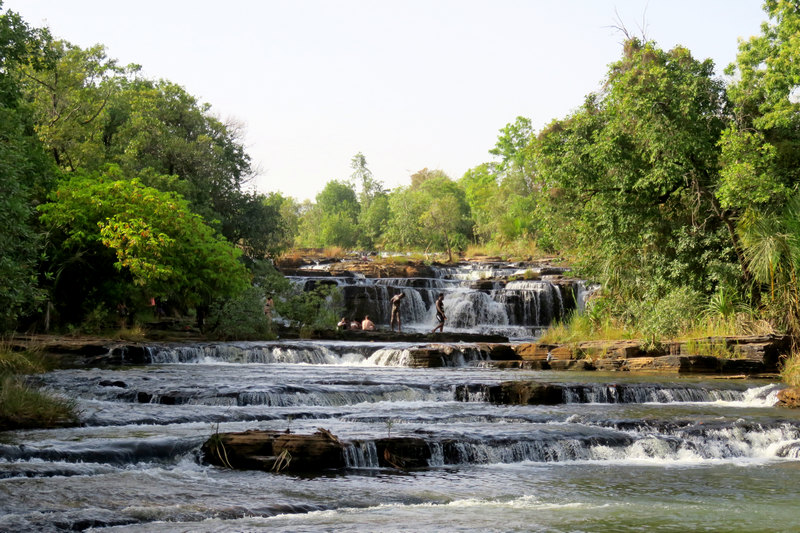
A world away from the dry savanna and scrubland that is most of Burkina Faso, the south-west is rocky, lush and green. It's not surprising that this is the most popular destination for visitors. A dozen kilometres to the north-west of the town Banfora is one of Burkina's loveliest spots, the upper falls of Cascades de Karfiguela - a favourite spot for locals to chill and swim. Just 3 km to the east are the Dômes den Fabedougou; climbable sand cliffs formed as scores of basilica-like domes by water erosion. Directly west of Banfora, circa 7 km, is Tengréla Lac, where it's possible to take a pirogue ride and, with luck, spot a hippo. Renting an old moped in Banfora itself is probably the town's most amusing pass time and the best way of getting to the surrounding sights.
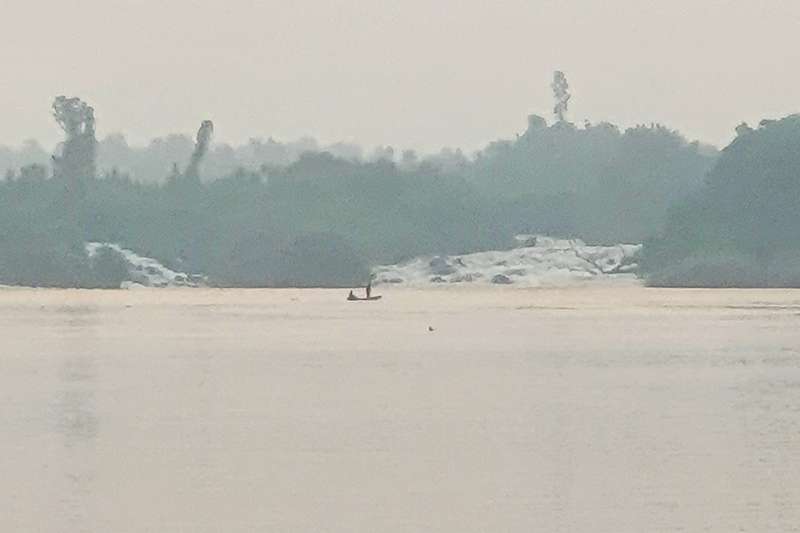
Nachtigal Falls is a series of falls and rapids on the Sanaga River. The falls can be seen from the Batchenga bridge, but a hike will bring you closer. The Sanaga River is by the way 603 km long, making it the largest river in Cameroon.
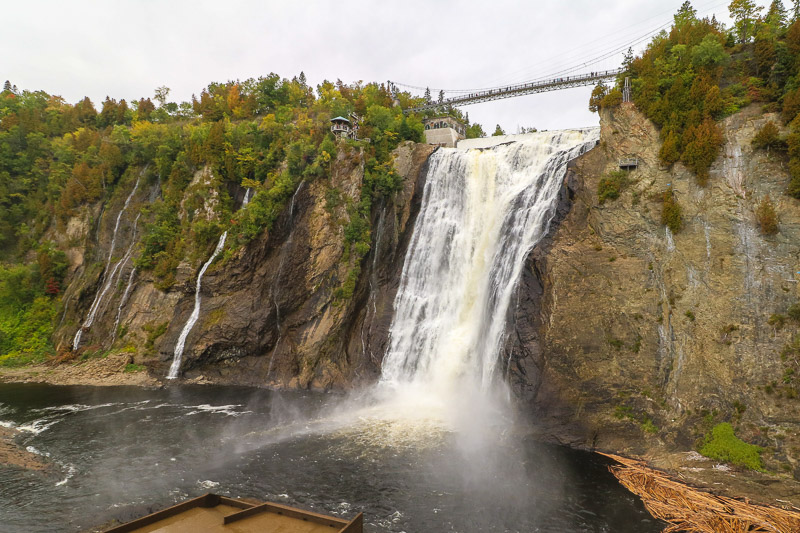
Niagara Falls in Ontario are Canada’s largest waterfall by volume and Della Falls (440 m) in British Columbia are the highest. So Montmorency Falls (84 m) must settle with the title as Québec's highest waterfall (sheer drop). It's located a short drive from Québec City and the base is right next to the highway. There are bridges, boardwalks, viewing platforms, and plenty of stairs, all for free. The only things that cost are the cable car and zipline. The public bus runs straight to the top of falls, making it both a spectacular and cheap sight.
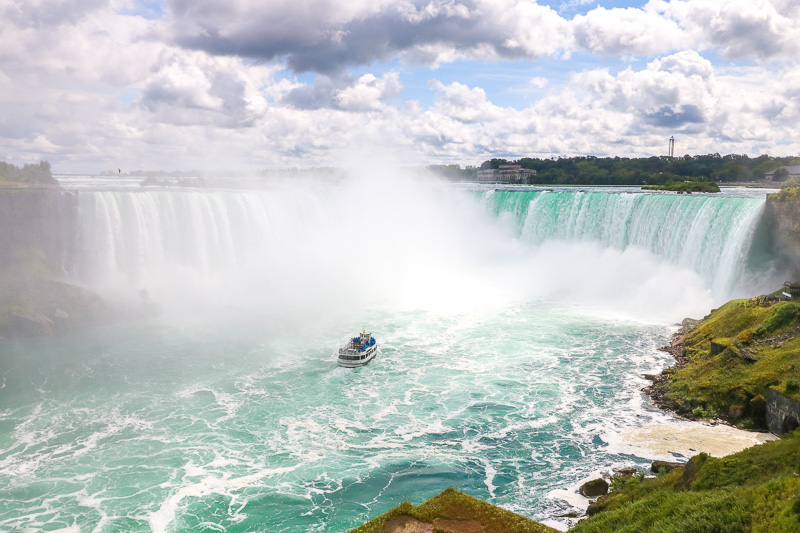
Iconic Niagara Falls is among the top tourist sights in the world measured by number of visitors (22 mill visitors per year). But when you first leave the tourist circus behind and walk up to one of the many viewing areas, you will be impressed. Niagara Falls consists of three waterfalls; Horseshoe Falls on the border, the American Falls which are entirely on the American side and the Bridal Veil Falls also entirely on the American side. The height is modest 57m and width about 800m, but the water flow is impressive; up to 2,800 cubic metres per second making Niagara Falls the third biggest waterfall in the world by volume (after Boyoma Falls in DRC and Khone Phapheng Falls in Laos). The city of Niagara Falls itself is a serious candidate as the most touristic city on the planet, but even that can be fun with the right mindset.