

Cities and Towns in Africa

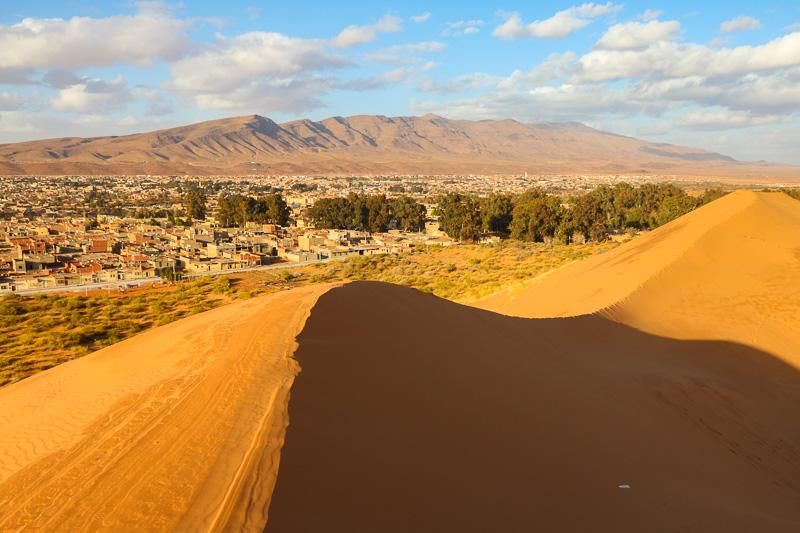
The town of Ain Sefra is far from pretty, but its location is just spectacular. Nested at the foot of massive sand dunes in a valley between mountains, which can be covered in snow in winter. The sand dunes are so close to the outskirts of town, that if the dunes move any further, it will start swallowing houses.
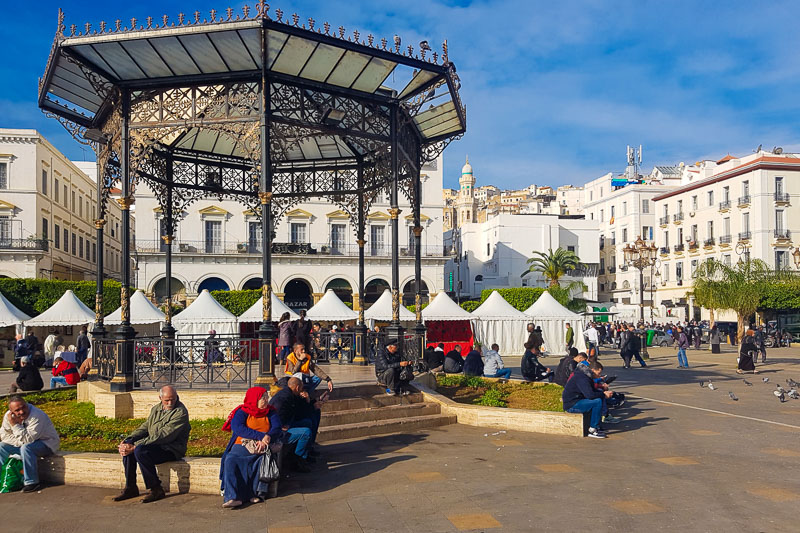
Algiers is a real charmer, but the beauty lies in the decay of the grand. Today magnificent white colonial buildings with ornaments and ironcasted balconies stands dilapidated along the French-built boulevards. Not a house - or a car for that matter - is untouched, all have peeling paint, dents and patches. Socialist-era monuments are dotted across public squares, which just add to the stark contrasts of Algiers. The crown jewel is the UNESCO World Heritage enlisted Casbah; an old islamic neighbourhood which spills down the hillside in a disoriented labyrinth of narrow lanes. The views of the Mediterranean Sea is just a bonus.
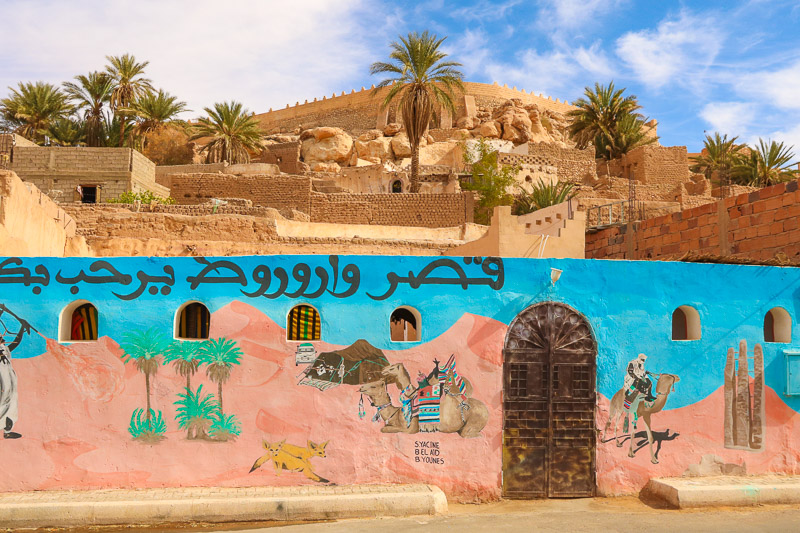
Instead racing down the lifeless highway N6 between Timimoun and Taghit (or Bechar), do a detour along the backroad between Beni Abbes and Tamtert. Here you pass a string of small towns, which lies at the foot of the big sand dunes. The detour is part of a route called "Tourist Circuit Beni Abbes - Tamtert", which includes sights like palm groves and ksars, but if you only have time for a short stop choose the picturesque Beni Abbes.
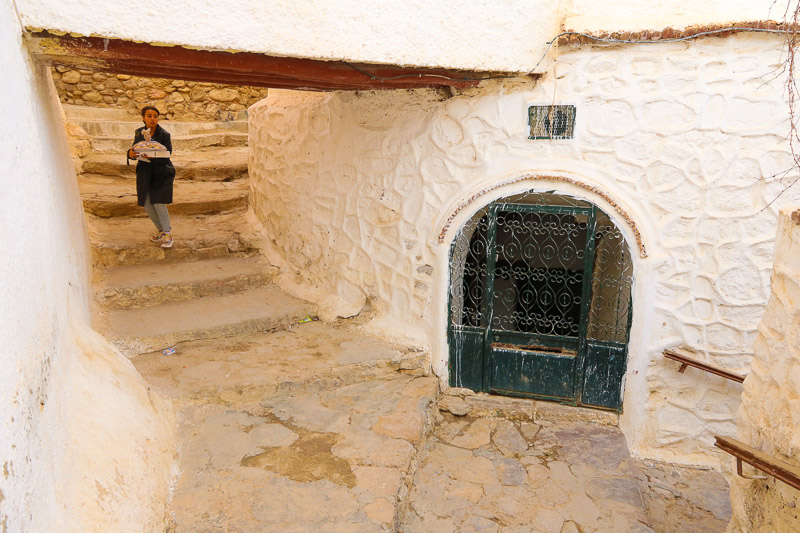
When locals describe the town of Bou Saada as "pretty", they mean its location at the foot of a mountain range and along a lush wadi. Since Bou Saada is at the entrance to the Sahara region, it has always been an important trading post and rest stop for nomads and today it's still a bustling place and popular with domestic tourists. The most charming part of town is the old ksar within the city walls with its arched alleyways and several mosques, some ancient. Remember to look up, because storks are nesting on top of the utility poles.
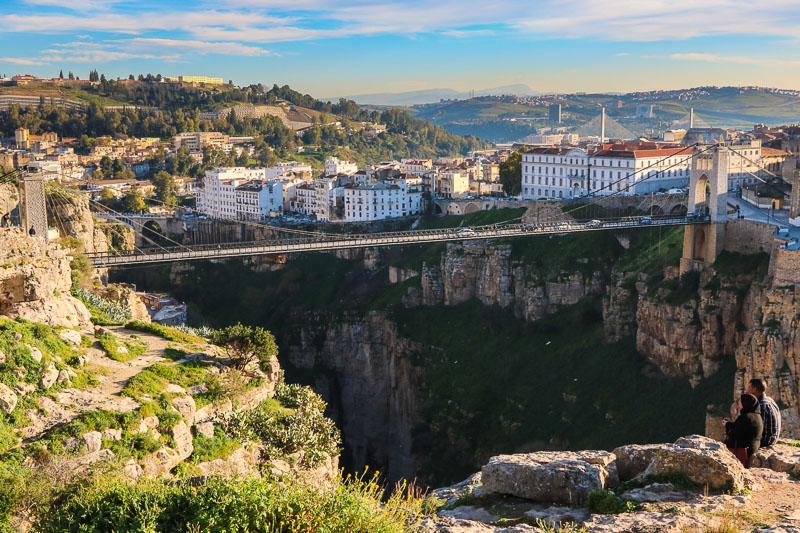
You will be hard pressed to find a city with a more dramatic setting than Constantine. Located on both sides of a 200 m deep gorge. Eight bridges connect the two sides, and some of those are old and full of history. The most epic is the Sidi M'Cid suspension bridge from 1912, which was the highest bridge in the world (175 m) for 17 years. Common for all the bridges is the amazing (and at times nerve wrecking) views over and down the Rhumel Gorge. Though Constantine is Algeria's third largest city, the bustling casbah with the many street vendors can easily be navigated on foot. The only sight on the other side of the gorge is Monument aux Morts, which is best enjoyed in the late afternoon along with all the dating couples.
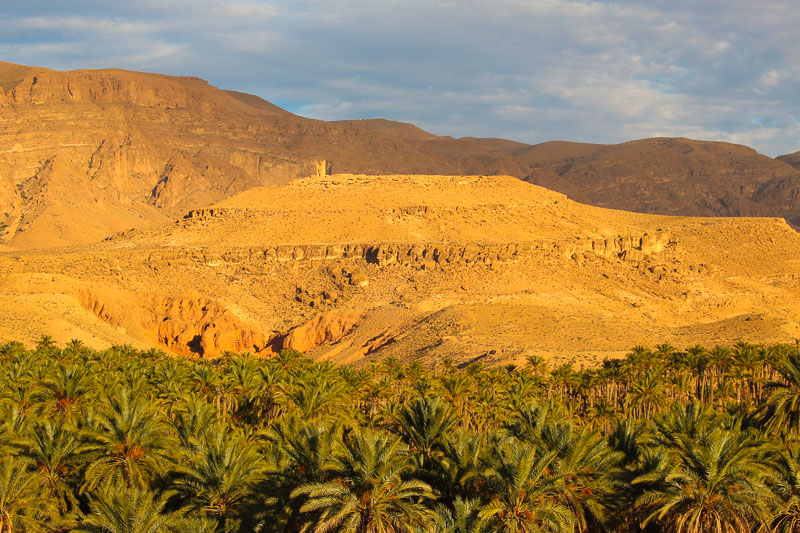
The small town of M'Chouneche is spectacular set right next to a palm grove of dates and with panoramic views over the barren mountains. There are several ruins on the hilltops across the palm grove. The small market and mosque are also worth a look. M'Chouneche is a good spot to sleep, when exploring the canyon of Ghoufi and the gorges of Tighanimine on your way to Timgad or Batna (or viceversa).
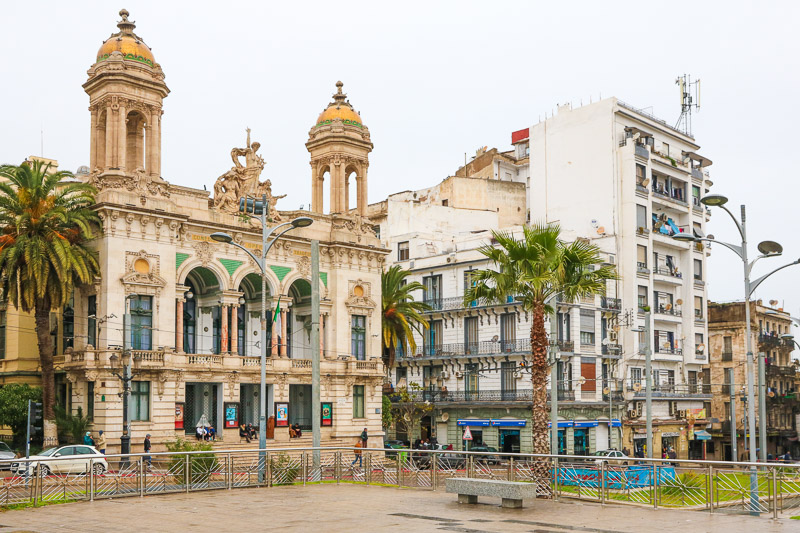
Algeria's second largest city doesn't overflow with tourist attractions, but what it lacks in terms of proper sights, it makes up in charm and edge. It's a lively port with buildings that are either falling apart or being built. The French colonial-era buildings are as elegant as those in Algiers with ironcasted balconies and ornamentations. Any sightseeing could include Grande Poste, Place du 1er Novembre, Palace of the Bey and Fort Santa Cruz. If you get tired of aimlessly wandering the streets, do as the locals, crab a coffee and watch life go by.
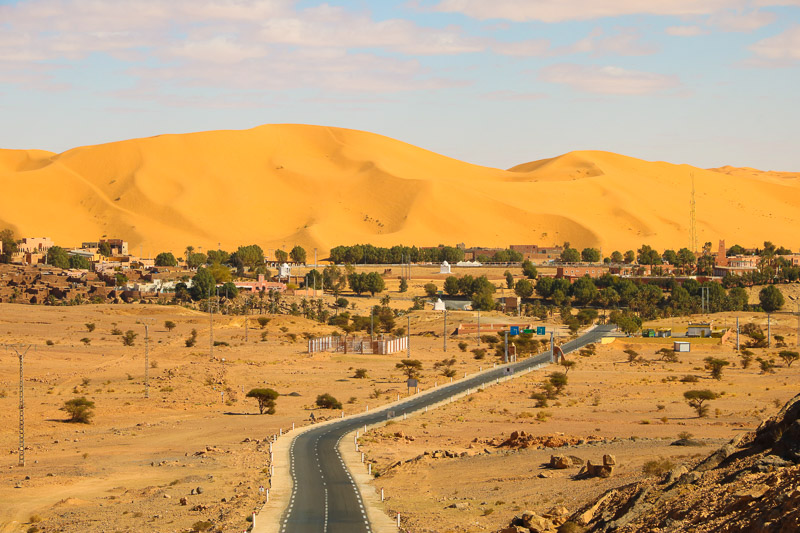
Taghit's gorgeous location at the foot of giant sand dunes has turned it into a tourist town for domestic tourists. You can hire quad bikes and camels for thrilling trips into the rolling dunes of Grand Erg Occidental (Western Sand Sea). The old part of town with mud houses is abandoned, but it's still possible to explore the crumbling buildings by getting lost in the maze of narrow lanes. Other sights are palm groves and further out of town some petroglyphs.
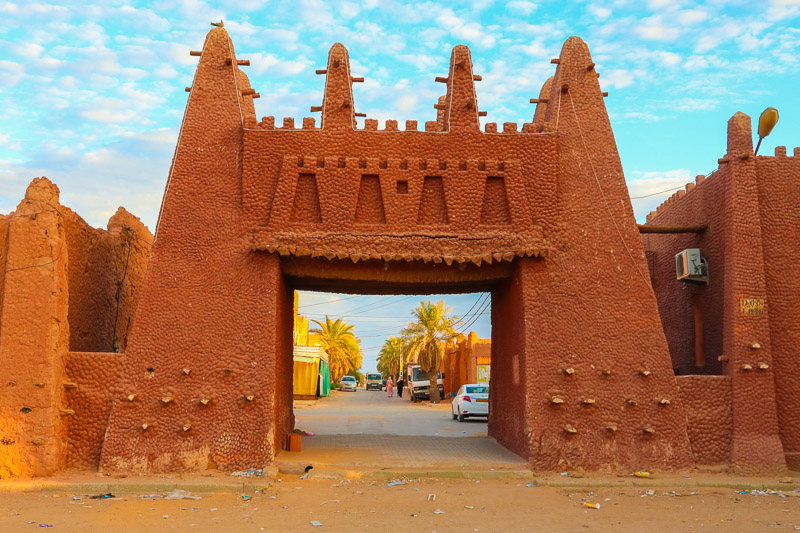
The town of Timimoun isn't the reason why travellers come here - it's the surrounding sand dunes, oases, and ancient ksars that are the true attractions. But Timimoun town is both bustling and big enough for some exploration. The locals are a diverse mix of Arabs, Berbers, and Black Africans, many dressed in traditional clothes and turbans. The town is known for its many ancient red ochre colored clay buildings, particularly in the old town, which is still inhabited and a perfect place to get lost.
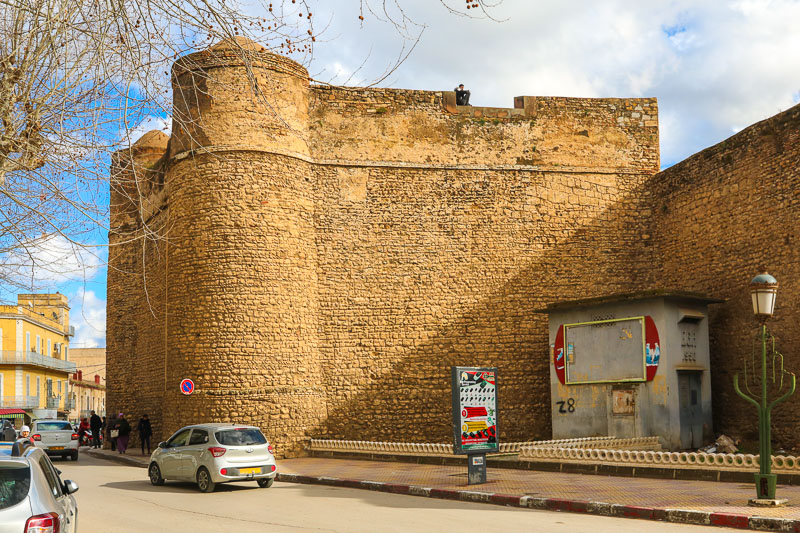
Tlemcen is really likeable. The leafy plaza in front of the Great Mosque is lined with a mix of buildings and is a great place for people watching. Just one block up is the 12th century citadel Mechouar, which is surrounded by a massive wall. And a few streets away is the bustling market, which is just big enough to get lost in. In the outskirts of Tlemcen you can find the 40 m tall minaret of the remains of Mansura mosque.