

People in Africa
1 2

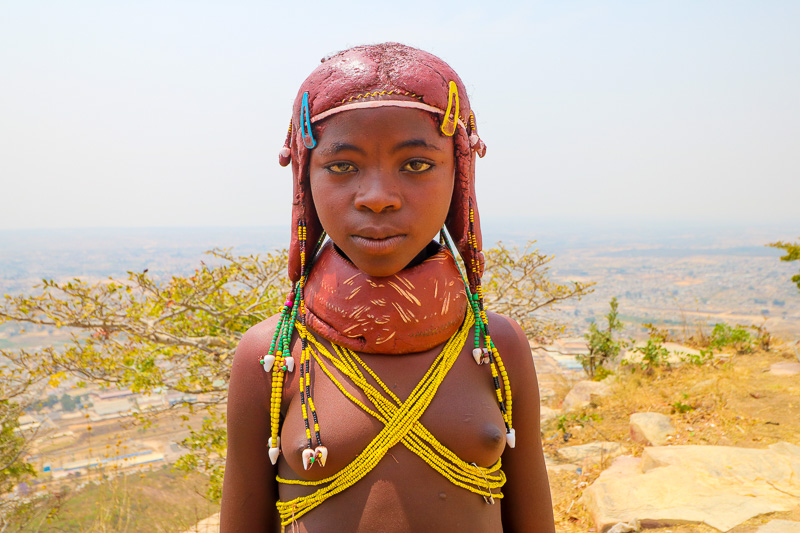
The Himba lives in northern Namibia and southern Angola. The women are easy recognisable with their red clay hair, which actually is made up by butterfat and ochre pigment. As they originate from the arid desert, where water is scarce, the paste is used for both protection from the heat and against mosquito and insect bites, but also as a cosmetic as it's usually perfumed with natural resin. Though it's not the perfect setting, it's possible to see Himba in Lubango, either just by walking around town or at the Cristo Rei Statue, where they pose for kwanzas.
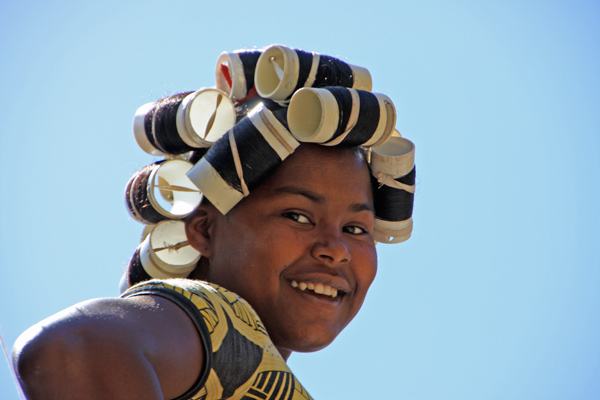
The people of Cabo Verde are a good reason to visit the country. They are generally very welcoming and kind to foreigners. Always happy to give you directions or have a chat with you and if you ask (sometimes they will even ask you), they will gladly pose for a picture.
Because of the former Portuguese colonisation, and the islands being a transit place for slaves during that time, most people are Creole, a mix between African and European. The commonly spoken language is Creole while the official language is Portuguese.
You will encounter several people speaking fluent English, Dutch or French because of the large amount of Cabo Verdeans working overseas.
Because of the former Portuguese colonisation, and the islands being a transit place for slaves during that time, most people are Creole, a mix between African and European. The commonly spoken language is Creole while the official language is Portuguese.
You will encounter several people speaking fluent English, Dutch or French because of the large amount of Cabo Verdeans working overseas.
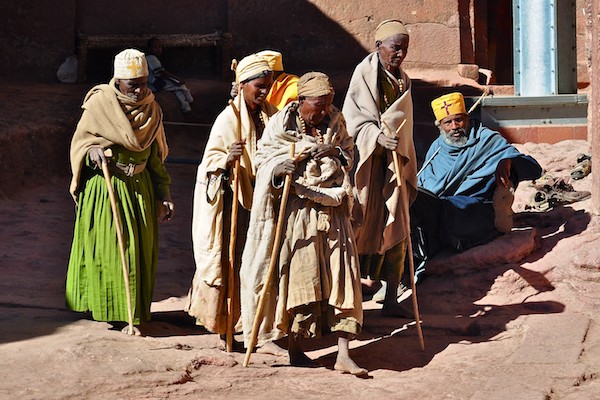
They come from miles around, clad in the simplest garb. There is no secret that many (over half) Ethiopians are devoutly Christian. They can be seen praying at a plethora of churches and religious sites around the world. But Orthodox Christmas (January 7th) is an amazing opportunity to see them en masse, particularly in the village of Lalibela. A seemingly endless parade of cane toting, bare-footed, faithful faces worn with a life of hardship fill the village and its famous rock-hewn churches. Early morning chants fill the air with a magical mysticism. It is a spectacular gathering not to be missed (although accommodation can be hard to come by on these dates).
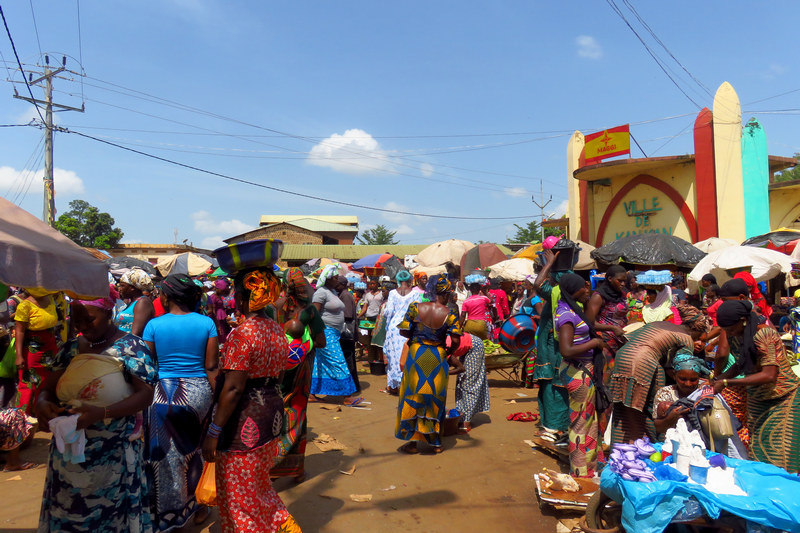
The largest and most important town in eastern Guinea, Kankan, is a lively market and university town. The climate here is also significantly hotter and dustier than in the rest of the country. Entering the town, the sight of mango tree flanked boulevards is almost surprising, but they soon give way to the more organised chaos in the city centre's markets. The markets' real draw is its many marabouts – considered some of the most powerful in West Africa. Marabouts, or traditional medicine men, can for a reasonable fee, prescribe both supernatural inscriptions and healing potions aiding against everything from bad luck to colds. They can be difficult to find, but the market streets west of the Grand Mosque would not be a bad place to ask for directions.
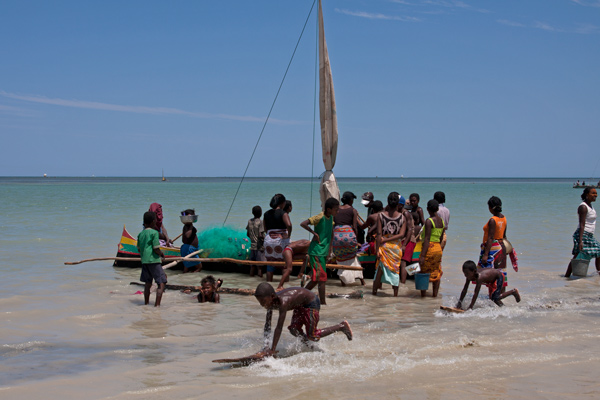
Madagascar has about 20 different ethnic groups. The Vezo people live at the coast in the West of the country, pretty much the region around and North of Toliara (Tulear). Their main activity is fishing. Every day, the Vezo people take their sailing pirogues, which are wooden dug-out canoes, out to the reef and beyond and mostly return about mid-morning with their catch of the day. The Vezo people are skilled sailors and fishermen and it is fascinating to watch them navigate their boats to shore and seeing the crowds of people getting in the fish and seafood. At these moments there is a market atmosphere with sometimes quite a bit of fuzz.
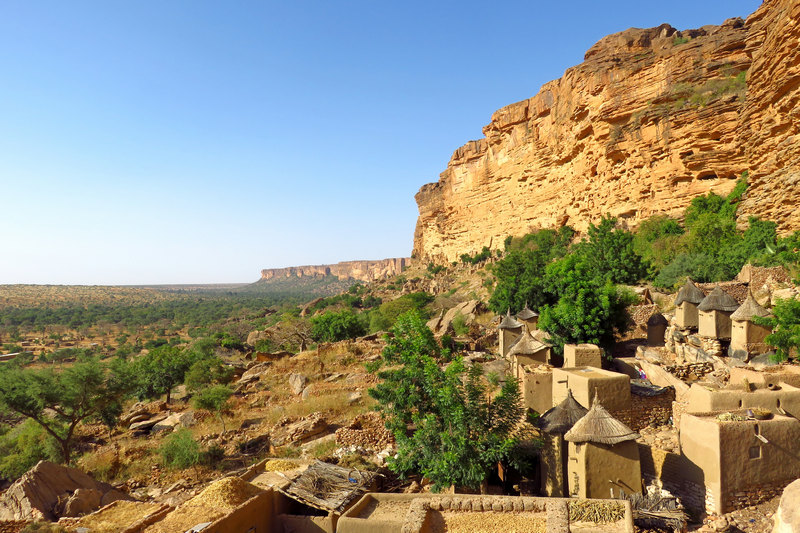
The picturesque and remarkable territory around the Bandiagara escarpment is named after the Dogon people who live here. The escarpment is a 200 km long sandstone cliffside, towering 300 to 500 metres above the sandy plains that run all the way to Burkina Faso. The Dogons live in village scattered here over three different areas: the plateau, on top of the cliff; the falaise, or cliffside, were villages hug the steep rocks; and the plains. The area is spectacular, both naturally and culturally, with the Dogon people still protecting their unique cultural traits. While short visits to some of the bigger towns are possible, most villages can only be reached by foot. Exploring these requires multi-day treks, but also offer the largest rewards regarding insights into the Dogon way-of-life and the exploration of the escarpment's pathways and cliffside alleys. Guides are not an official requirement, but basically essential nonetheless. Not only to find your way and for understanding the Dogons, but primarily as to avoid breaking the many taboos surrounding Dogon life.
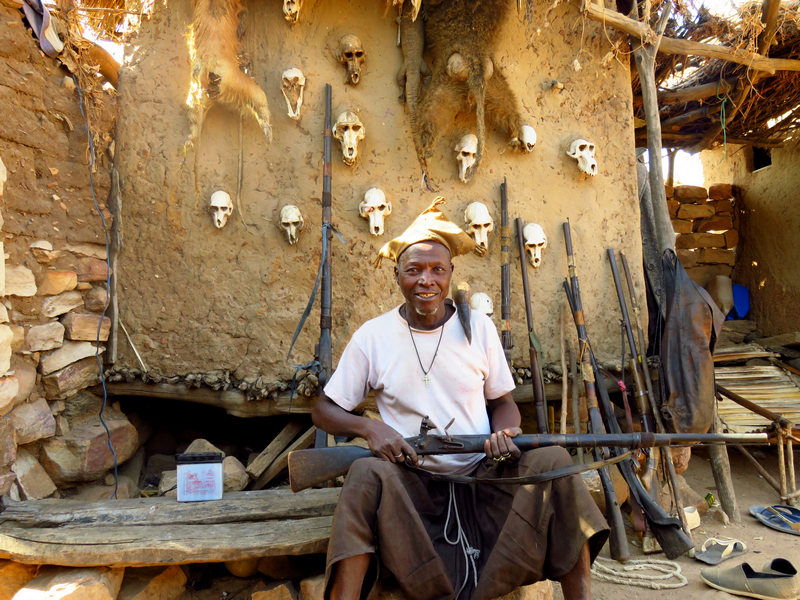
The Dogons are mainly farmers and hunters. They have lived in isolation in the Dogon Country since sometime around the fifteen century, and until Mali's independence they mostly managed to reject outside influences, including those of Islam and Colonialism. Their religious and cultural traditions have thus survived to this day, and can still be seen in practice today. Hunting ceremonies, masked dancing and animal sacrifices to their ancestors are all part of everyday life for the Dogons – even for those who have converted to Christianity or Islam. An altogether friendly bunch, visitors should bring a considerable amount of respect for local traditions, curiosity to learn, and a lot of kola nuts to hand out as gifts of honour.
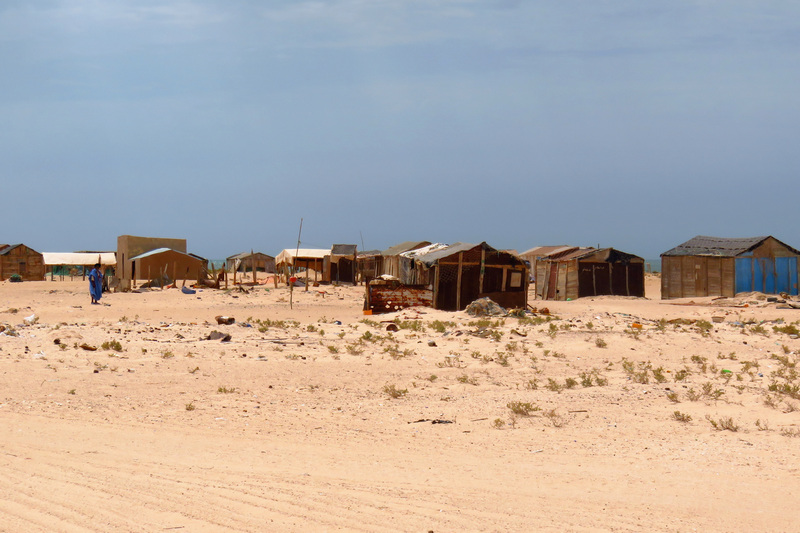
The Parc National du Banc d’Arguin is the sole home to about 1200 Imragen - literally "those who gather life" - individuals spread over seven villages, the largest being Mamghar (sometimes spelled Nouamghar) and Iwik. These are isolated people living off the coast. The best time to visit is in November when the traditional harvest of scores of passing-by yellow mullet is caught. Incredibly, this is done with the assistance from dolphins, whom the Imragen fishermen from the shore will attract by hitting the surface-water with long, leafy branches. In that way alerted to the fishermens' whereabouts, the dolphins will chase the mullet into shallow waters, where they are an easy catch for fishermen and dolphins alike. Most villages will have basic, community-driving accommodation options and some can arrange fishing or bird-watching tours with their traditional boats.
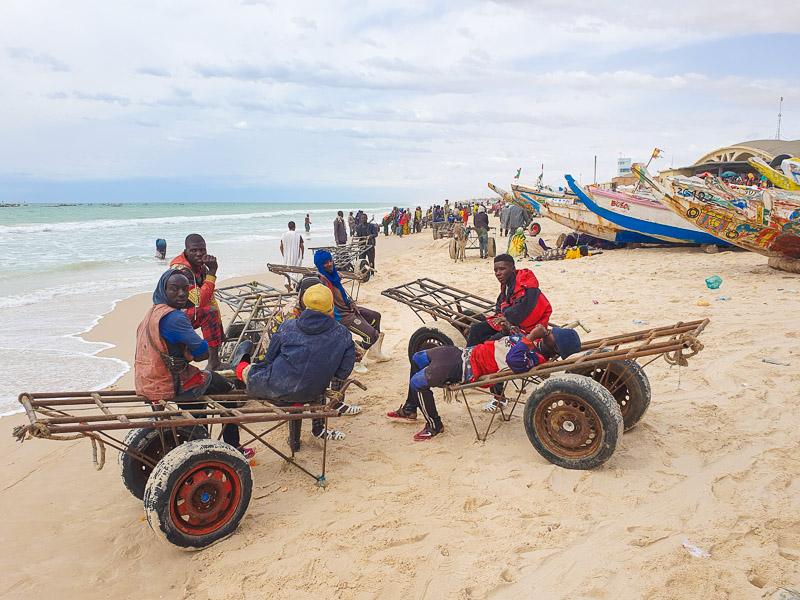
The beach down at the fish market is covered in colorful wooden boats, many named after European football clubs. When the boats return from the sea (mostly around afternoon at 3pm) men gather around to carry the catch to the nearby fish market, while others lift the boat out of the crashing surf. It's an extremely lively and chaotic place, and can feel intimidating at first, but people (mostly Wolof and Fula) are friendly and mostly indifferent of your present.
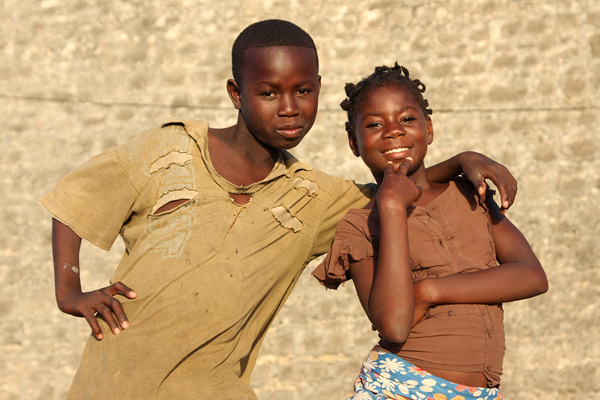
The Mozambicans really are a friendly bunch. They are chilled, patient, and good humoured. Even more endaring is their honesty - something you even can expect from bus boys and taxi drivers, though there are a few exceptions. Wherever you go, you will (if you are a man) shake hands (African way of course, if you don't know they will teach you) and exchange names and formalities. Even in small places where you constantly bump into the same people, greeting is still performed like you were meeting up as long lost friends. So the helpful Mozambicans certainly make it easier to endure another full day journey in a rattling, overpacked minibus.
1 2