

Relaxing places in Africa

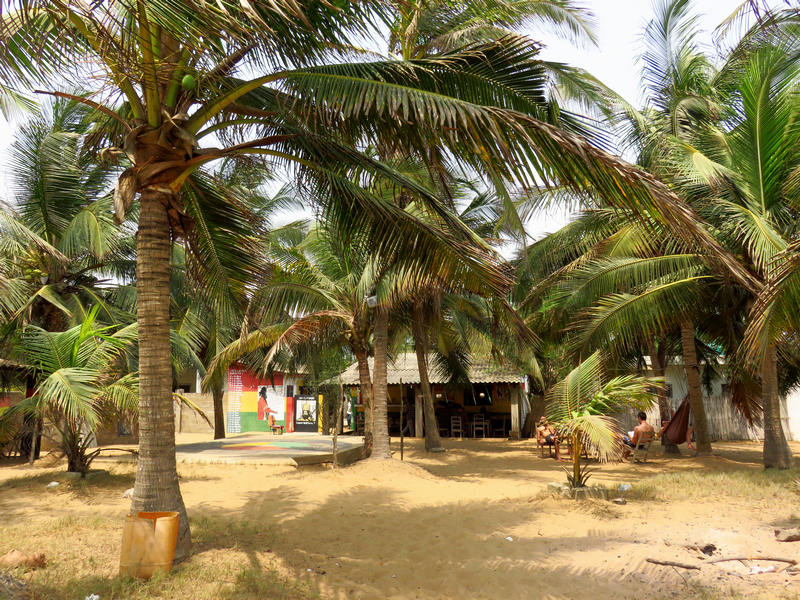
The name might give some different associations, but anyone who wants to get away from the hustle and bustle of life, just let the hours – or days – tick by, while lounging in a hammock drink in hand could do a lot worse than heading to Grand-Popo. In the slave days, Grand-Popo was a major port for the export of everything valuable. As the sale of human beings concluded the town lost its importance. Today its big draw is the idyllic beach, so much that most visitors don't even pay attention to the traces of voodoo culture and colonial history less than a hundred metres in from the sand. To be fair, both are also experienced better elsewhere.
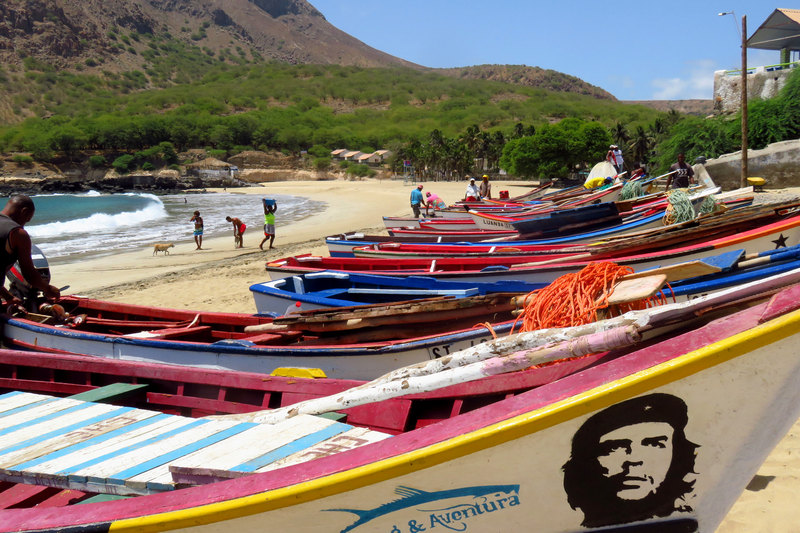
70 km north of Praia, in a bay right where the sun sets, is one of Cabo Verde's most idyllic beaches. The sand is white and clean, and the backdrop is palm trees and towering cliffs. Best of all this beach offers some rare cultural excitement too. One half is reserved for the beach-goers, while the other is lined with small colourful fishing boats. The pace of life here is slow: laze about in the sand, take a dip and watch the fishing boats return with their catch. Repeat. Should the need for restarting the blood circulation arise, are there short, but fine, hikes in the hills surrounding the beach and it's even possible to do some diving here. Visit outside the weekends and you are likely to have it all to yourself.
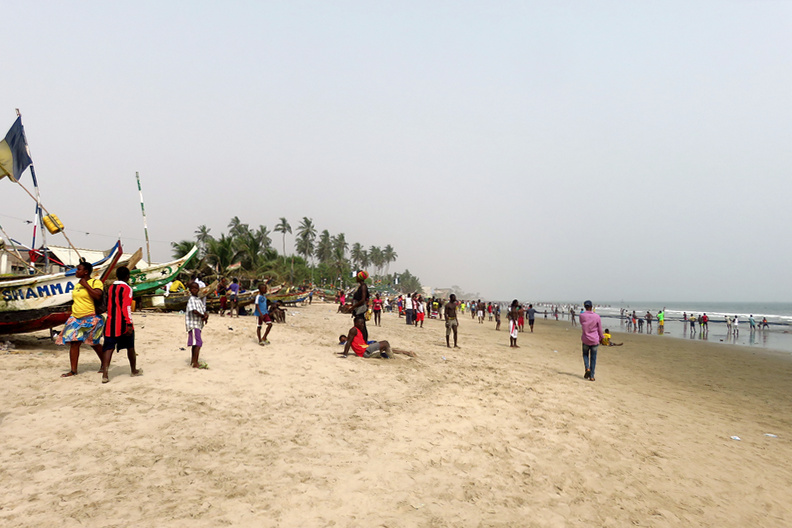
Ghana's favourite beach hangout for volunteers, backpackers and better-off locals from Accra is all about sand, surf and sun. The beach here is equally shared between fun-seekers, souvenir sellers and fishers, but it's kept clean and fit for swimming. As the sun sets, night time here is heavily focused on drinking and dancing until the sun returns. Most activities are centred on legendary Big Milly's Backyard with its 24-hour bar, but there are plenty of other places to stay and party that satellite Big Milly's. Should you get enough of the party vibe is Accra's more grown up attractions only a few hours tro-tro (minibus) ride away.
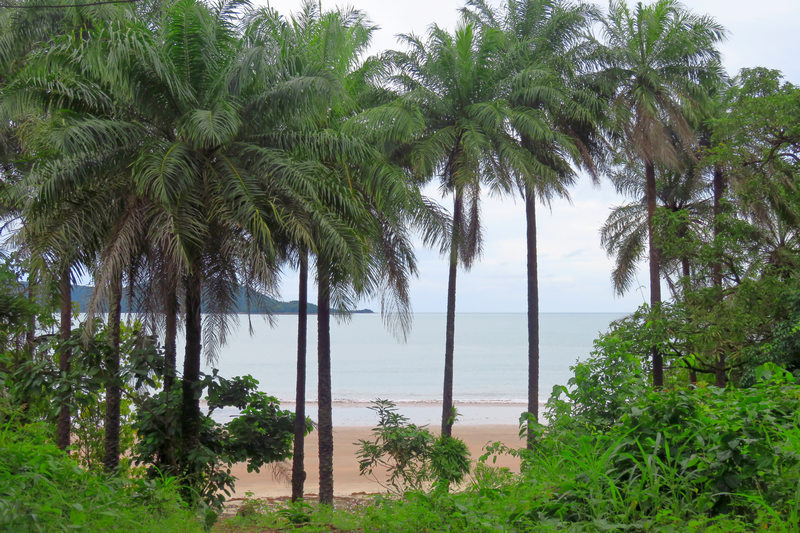
Getting away from the less-than-flattering atmosphere of Conakry is thankfully easy. Twenty minutes off the capital's southern harbours lie a getaway that feels worlds away. Conakry is still clear on the horizon, but the three islands making up Îles de Los are devout of the cars and stress that cramp the capital. Yellow beaches, forested interiors and fishing communities dominate these islands, and it is easy to lose oneself for days at a time here. Something most people, who have braved the big city horrors on the other side of the strait, probably deserve.
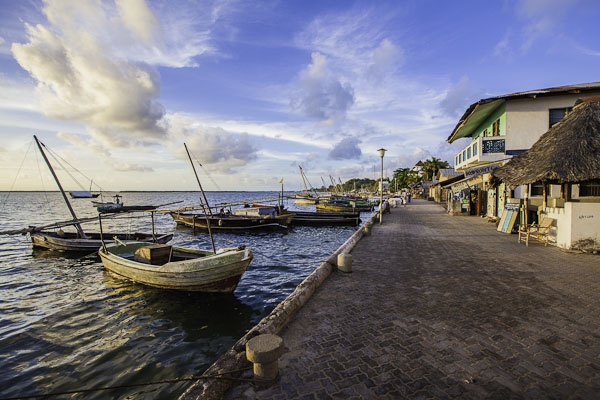
Lamu is a gem of an island in north-eastern Kenya. Fishing and tourism are the primary mainstays, and there are only two settlements of note on the island, Shela Village and Lamu Old Town. Both are quaint, but Shela smaller and tidier. There are only a couple of vehicles on the island, so travel is by foot, boat or donkey. The south-east side of the island is one very long and wide sandy beach. Amazing sea food abounds, and there's plenty of handicrafts to gawk at. For many people, the highlight of a visit to Lamu is its testament to Swahili culture: museums, hand-carved wooden doors, coral stone architecture and countless dhows is a journey in time as well as space. To experience what life might have been like in the days of the Omani occupation, or simply to forget about time and place, try a dhow trip into the archipelago. Lamu is the kind of destination that makes it very easy to forget the outside world, and is a more relaxing alternative to Stone Town on Zanzibar.
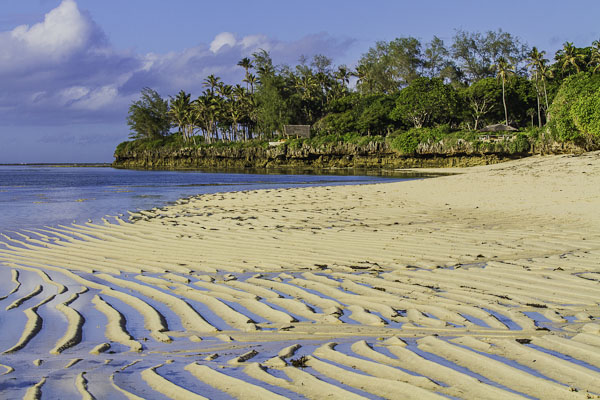
Tiwi and Diani Beach are neighbouring coastal destinations just south of Mombasa. They are justifiably popular due to their close proximity to Mombasa, but that is all they have in common. Tiwi (pictured) is the more secluded of the two. It is set up almost exclusively for self-caterers, which makes it less ideal for those without access to a car. The beach here offers a greater degree of privacy, and the number of beach boys selling snorkelling trips or fresh fish is decidedly smaller than at its busier neighbour. Diani Beach boasts a nicer beach and a much wider range of accommodation options. There are restaurants, supermarkets, a surprisingly large local market and a bit of a night scene. Expect more hassle on the beach, however.
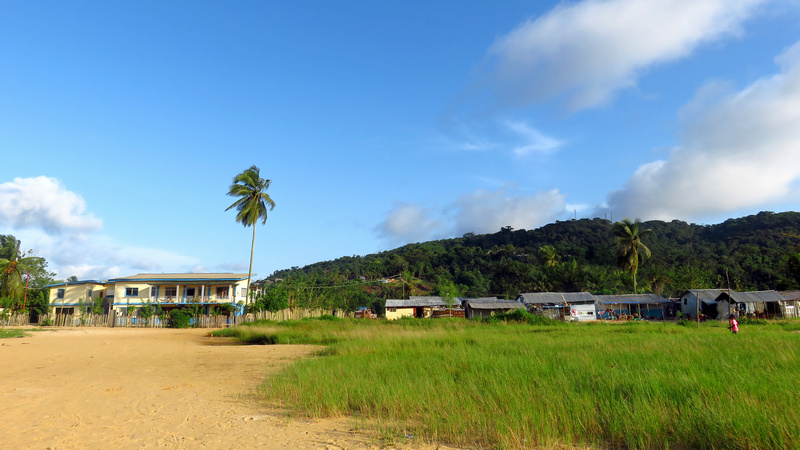
Liberia's surfers are few and far between; however, they all seem to congregate on Robertsport a few hours north of Monrovia. The town itself is little more than a large fishing hamlet, located on the peninsula were Liberia's largest "lake", Lake Piso runs into the Atlantic Ocean. The surfing, the golden sand and jungle covered hills behind town make this an attractive setting for a few days. A couple of nice guesthouses make this a first class weekend getaway from Monrovia or a decent stop for anyone touring the country. However, don't expect anything in the form of facilities, so come equipped with enough dollars for your stay.
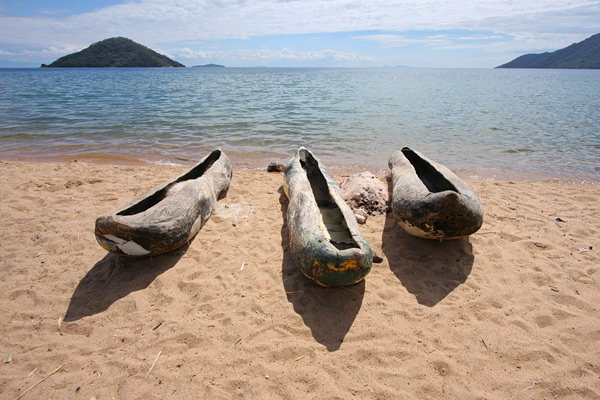
At the tip of a peninsula at the bottom of gorgeous Lake Malawi lies adorable Cape Maclear. The rural village has been a favourite of backpackers and overlanders for decades, and for a good reason. Green mountains make up the inland while the lakeshore is blessed with a narrow sandy beach. The village is a one lane place with shady baobab trees. The men go out on the lake for fishing in small canoes, while the women are constantly washing at the edge of the lake, with playful kids everywhere. The main event of the day is sunset, when the sky turns bright orange before the sun burns out behind the hilly horizon across the lake. Be prepared with the cold drinks for the spectacle is rather short. Afterwards, the night gets filled with African rythms pumping from the small bars along the beach.
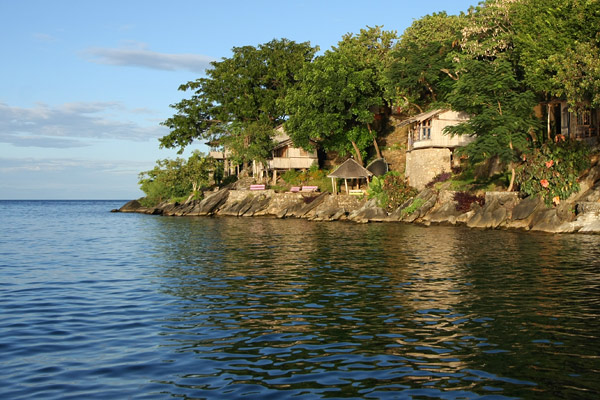
Nkhata Bay is probably the most popular place at Lake Malawi. It's a nice bay with a small bustling settlement at the bottom. The rocky shoreline is dotted with some brilliant accommodations and a beach is just a hike away. Walks can be done through the lush hills, scuba diving is available and the lakeshore is begging to be explored by kayak or canoe. However, most travellers end up doing nothing besides lazing, socialising and take the occasional dip into Lake Malawi's clear water - not to mention decline another offer for a customised key ring from one of the beach boys.
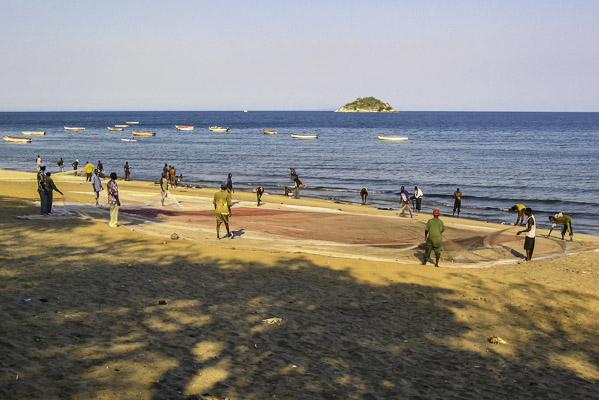
Senga Bay is the closest beach to Lilongwe, and is a very pleasant place to spend a few days. Senga Bay itself is a sleepy village, but nearby Salima has shops, fuel and ATMs. The Ilala ferry does not stop here, so it can only be reached by road - two hours from Lilongwe or Nkhotakhota, two and a half from Cape Maclear. Senga Bay is a fishing village, and boats line the beach in the village itself. Fruit and various snacks can be purchased. Diving, snorkelling, kayaking, trips to Lizard Island and beach barbeques make Senga Bay an easy place to spend a few days if travelling up or down Malawi, or a convenient weekend trip for anyone based in Lilongwe. The beach itself is nice (for Malawi) but quite narrow - the result of illegal sand mining and consequent erosion. There are plenty of (real and meaningful) volunteer opportunities in Senga Bay for those wishing to stay a bit longer.