

Buildings and Architecture in Asia
1 2

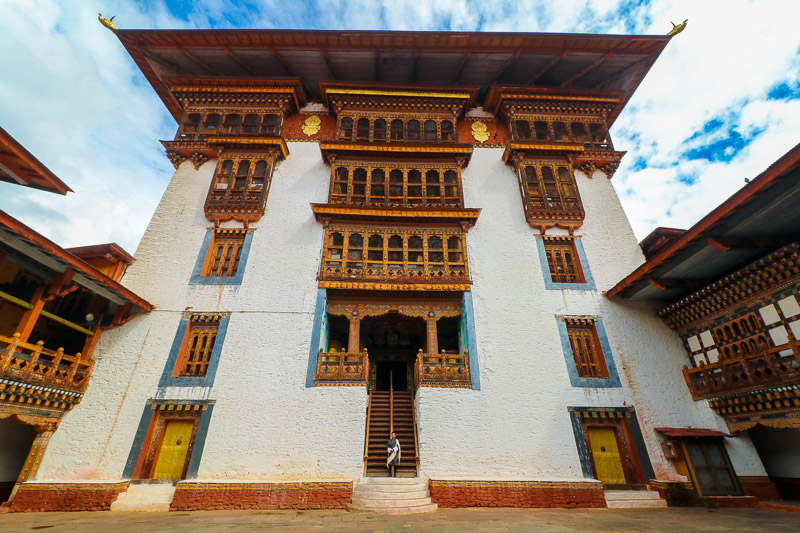
Bhutan has many fine fortress-monasteries, but the one in Punakha is one of the finest. Founded in the 17th century on a strategic and spectacular location at the joint of the two rivers (male and female) and on a backdrop of mountains. It's the second largest monastery in Bhutan and functioned as the country's administration centre while Punakha was the capital. Today the fortress-monastery still functions as a monastery and administration centre for Punakha province - and it's hard to imagine more splendid office buildings than these.
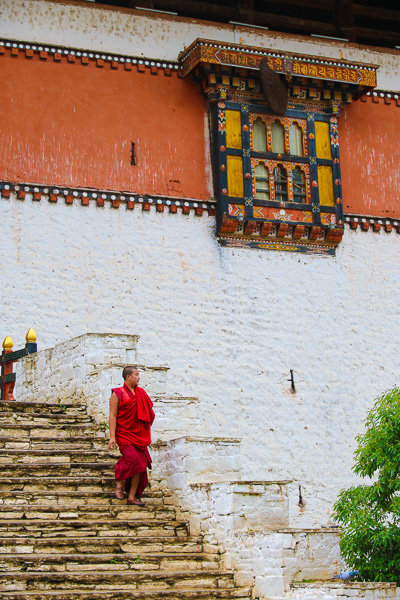
Every district has their fortress-monastery, which also works as the administration centre. Thimphu has Tashichho Dzong, Punakha has Punakha Dzong, and Paro has Rinpung Dzong. The location for Rinpung Dzong is almost at pretty as Punakha with great views over Paro town and valley. Inside, the temple is less interesting compared to the fine buildings surrounding the beautiful courtyard.
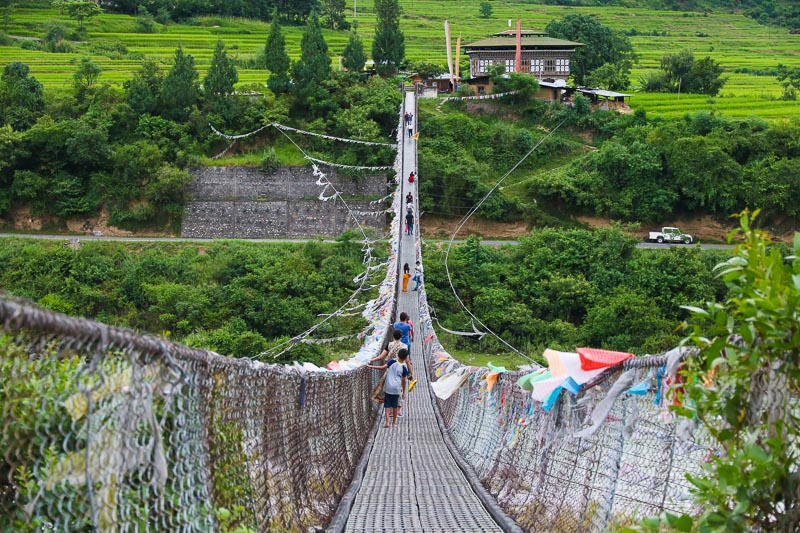
Another great sight in the Punakha area is the 180 m long suspension bridge. Though the bridge is made of steel and is fairly stable, it can still feel a bit nerveracking to cross it. Keep in mind, you have to return the same way, so don't venture too far out, if heights and moving bridges aren't your thing.
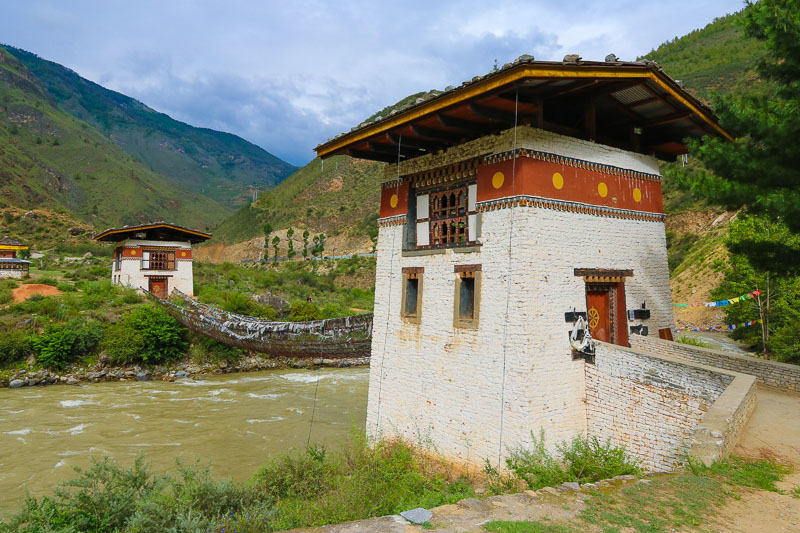
The monastery Tachog Lhakhang was built in the 15th century and is mostly famous for having the first iron bridge in Bhutan. Some of the ancient chain links can still be seen in the small temple.
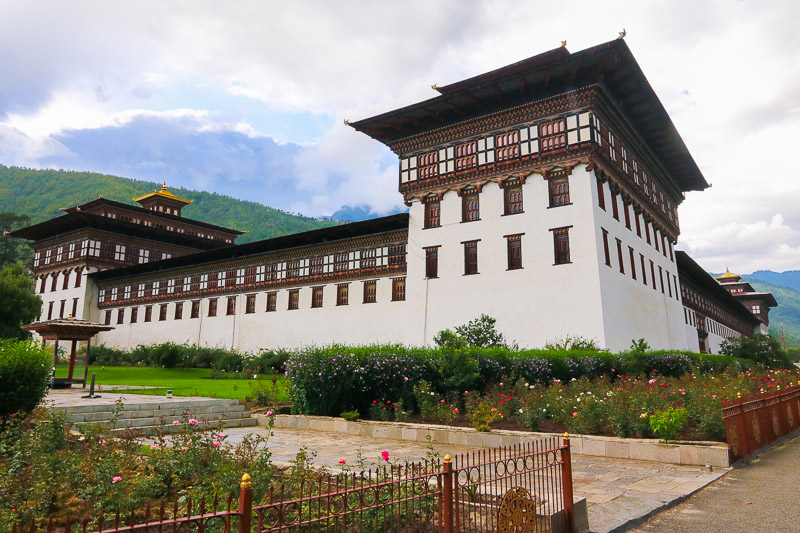
This fortress-monastery is the biggest building in Thimphu and houses most of the Bhutanese government offices and the King's throne room. Though the original dzong was built in the 13th-century, the buildings you see today are all except two from 1968. There are many fine murals and buddha statues, which your guide probably will fill you in on. Though it's probably one of the most guarded attractions in Bhutan, the security is really loose at best.
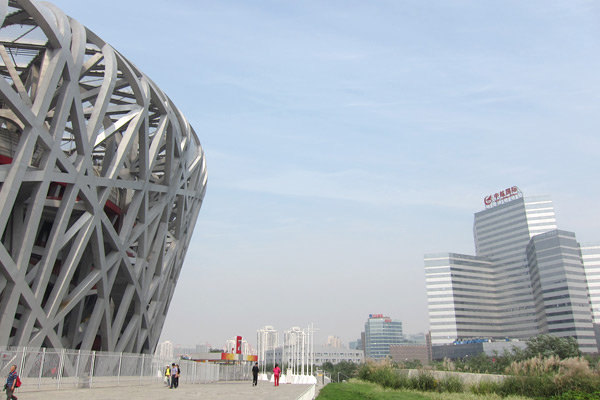
From a distance, the Bird's Nest national stadium looks like, well, a bird's nest. It was built for the Beijing 2008 Olympics and the inspiration for the stadium was actually not a bird's nest, but Chinese-style crazed pottery. It was designed not by Chinese, but by a Swiss architect firm and cost US$423 million to build. When first finished, there was room for 91,000 spectators, but the seat number has since been cut down to 80,000. It is an impressive steel construction, even up close where you really can see the details in the complex grid formation, which was originally added to camouflage the supporting steel frame. Bird's nest soup in China is considered a delicacy, so the nickname Bird's Nest is quite honourable. Though a beautiful stadium, it is rarely used today - besides acting as backdrop for tourist snapshots.
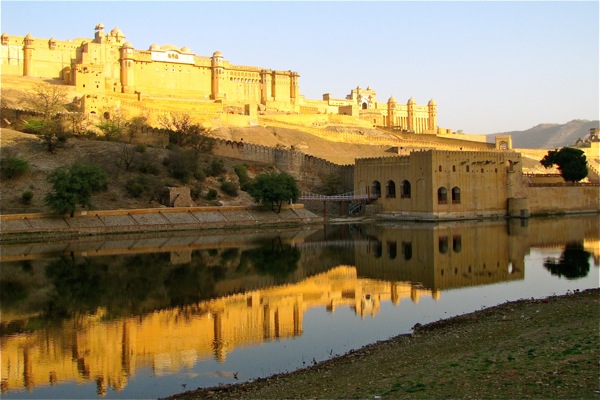
13 kilometers from Jaipur in Rajasthan you find Amber Fort, built in 1592. The palace is situated on a hill with sweeping views over the area and it is a classic example of Rajput architecture. If you do not have the energy to walk up to the fort, from the foot of the hill, you can ride up there on elephant back for a fee. There are lots of tourists who do this, so you should expect to queue for a while. The palace covers a fairly large area, and there are fine columns / arches, painted ceilings, mirror mosaics, courtyards and women in bright blue saris who walk around sweeping.
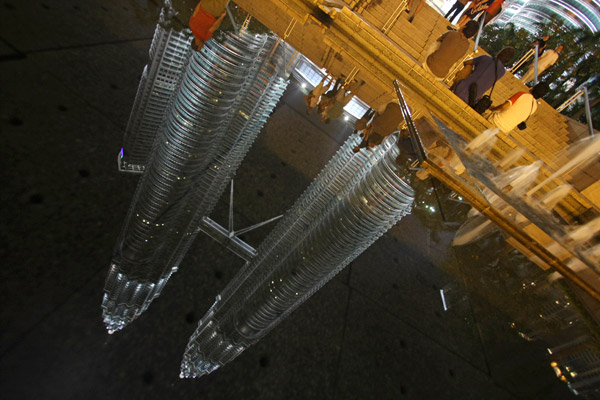
Once the highest building in the world, it is now downgraded to the tallest twin towers. Built in 1998, the builindg rises almost a half kilometre (451.9 m) towards the sky. There are 88 floors, but the tallest observation deck for the public is disappointingly only on the bottom level of the double decked skybridge on the 41st and 42nd floors. The rest of the building is boring office spaces and off limits for tourists. The towers' design is based on Islamic architecture and Chinese numerology (8 is a lucky number... the 88 floors, octagonal plan, etc.) and is a fairly impressive sight, especially at night when the glass and steel structure is lit up.
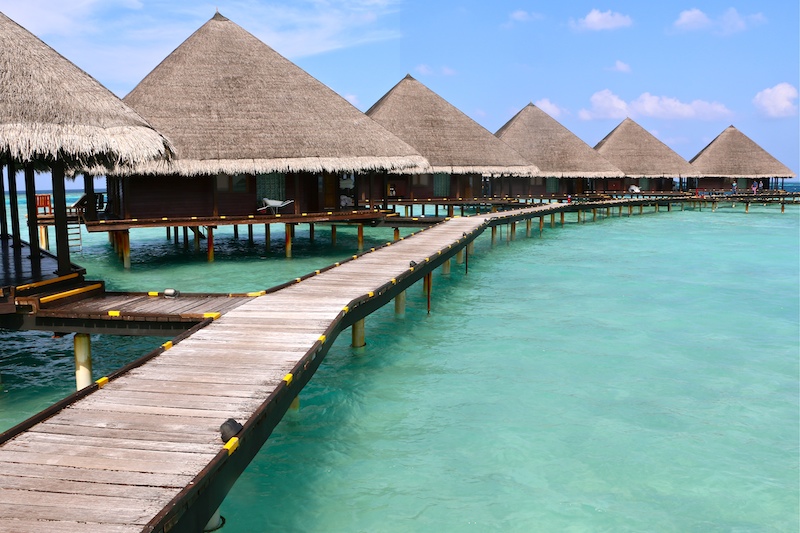
Sometimes, a country can almost be idenitfied up in one iconic image. Although not endemic to the Maldives, it hard to see a picture of an overwater bungalow without thinking paradise. True, these swanky hotel rooms are a little out of the budget of most travellers, but for that once-in-a-lifetime/special event type life moment, the experience might just be worth it. Luckily for those with somewhat shallower pockets, day trips to the resort islands are also possible from residential ones, so at the very least you can get a nice little selfie, sitting on a dock next, toes dangled in the water, and of course overwater bungalow seeming swaying to the waves in the background. Priceless on a shoestring.
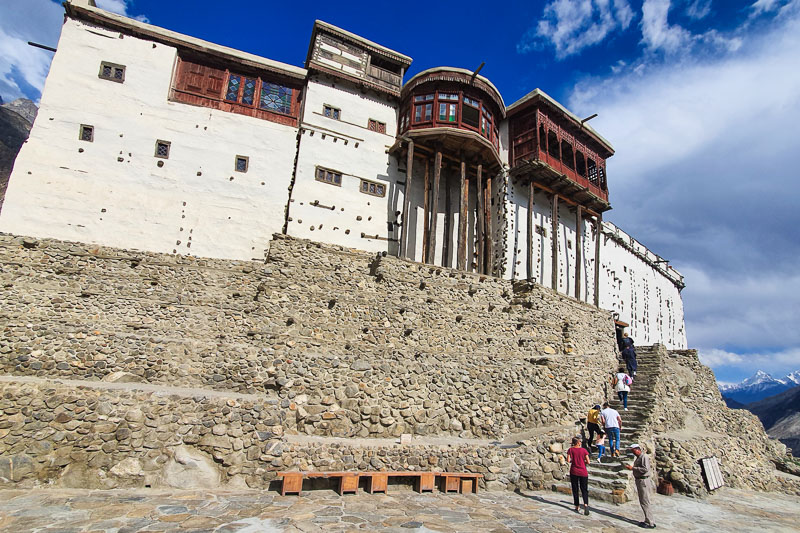
The town of Karimabad was named Baltit, when it was the capital of the ancient Hunza kingdom. Today, there are still two old forts, Baltit and Altit, dating back to the kingdom. The royal family first lived at the Altit fort for nearly three centuries before they moved to Baltit fort. The royal family abandoned Baltit in 1945, but both forts have been renovated recently (partly sponsored by Aga Khan). The small neighborhood around Altit fort is really charming and worth a walk.
1 2