

People in Asia
1 2

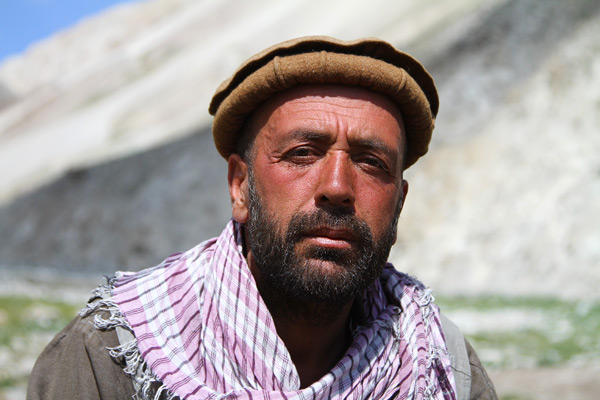
There is no such thing as one Afghani people. Afghanistan is a patchwork of ethnic groups who live together – and at times fight each other. The major groups are Tajik, Uzbek and, of course, Hazara and Pashtun whose ongoing conflict is described in the book "The kite runner". In the northeast corner of the country in the Wakhan Corridor, you will also meet Wakhi and Kyrgyz. Here female liberation is more widespread, with unveiled women in public, than in the rest of Afghanistan where sights of women outside their homes are rare and certainly not without their blue burka. On the other hand, most men are very welcoming and hospital and will rarely reject to have their picture taken.
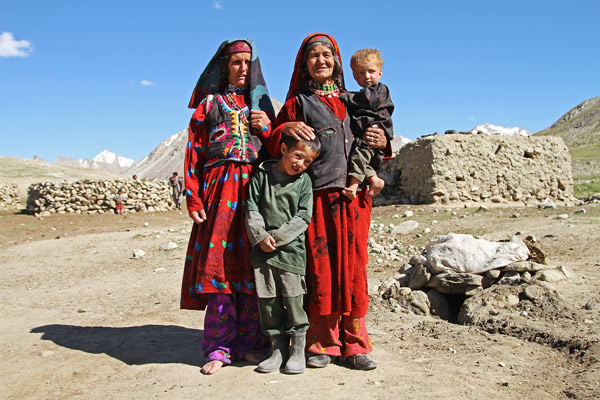
The Wakhi people live in the Lower and Upper Wakhan. They spend winter at the bottom of the valley in small settlements mostly consisting of clay houses. During summer, they herd their goats, sheep and yaks up to their grassy summer pastures in the Wakhan Range, as high as 4500 m. Here, they live in either stone huts or felt yurts, not very different from the Kyrgyz ones, another ethnic group living in the Wakhan. The Wakhin females wear their hair braided and dress very distinctive in vibrant red clothes – not blue burkas like the lowland Afghan women. The Wakhi are a friendly and hospital people who often will invite trekking foreigners for tea and yogurt, but don't expect homestays.
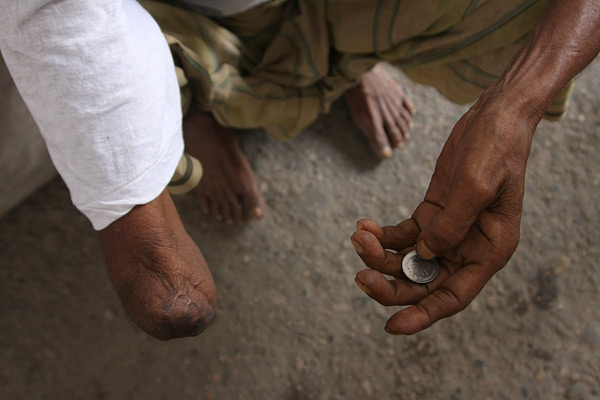
Considering how dirt poor Bangladesh is, it will come as a surprise to see how few beggars there actually are. Since most people own very little (about 37% live under poverty line) there are not many to beg from. Nevertheless, you will find beggars in any city, town or village. Scruffy looking street kids, scarily thin old people barely able to walk and horribly disfigured characters walking the streets, standing at mosques or patrolling traffic signals asking for a bit of help. Be prepared for it, for it is heartbreaking to see how miserable some people live.
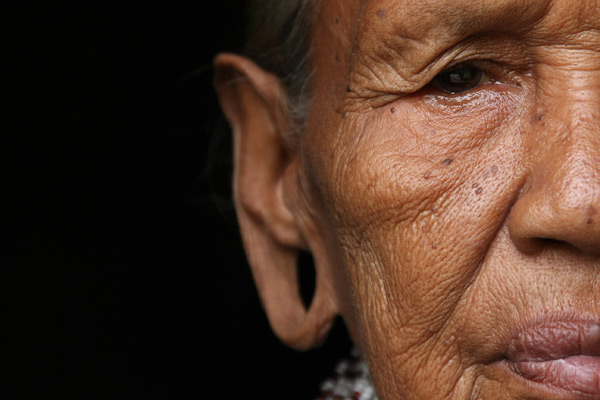
Not all of Bangladesh is flat. Near the border to Myanmar in the Chittagong Hill Tracts, the landscape folds into green rolling hills divided by ravines and winding rivers. Here on the slopes, among bamboo forests and rice fields, live different indigenous hill tribes in simple villages. There is the Marma, Mru, Bawn, Tripura and probably a few other ethnic groups. The Bawn people are fairly modern with solid houses and satellite discs on their roofs, but both the Mru and Tripura live in stilt huts made of bamboo and wood. Some of the elderly women there even walk around bare-chested with gaping earlobes. This is probably the most exciting region in Bangladesh and can be explored from Bandarban, either by hiking or by car.
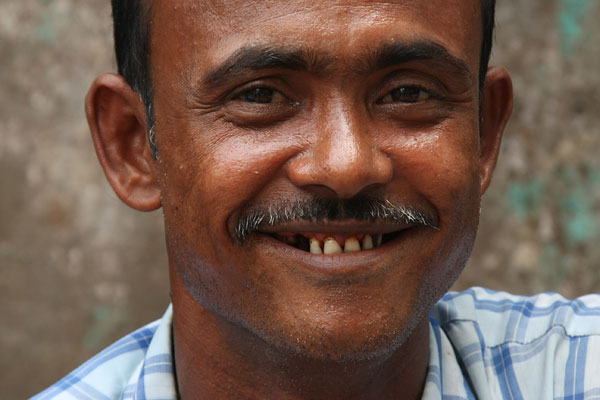
One of the reasons to come to Bangladesh in the first place, and probably the reason why you want to leave again, is the amazing people. They are friendly, helpful, curious and, well, everywhere. Being one of the most congested countries in the world, it can be hard to find a quiet corner. Wherever you go someone will come up to you and ask for "the name of your country" and maybe venture into something about your marital status and profession. It is all very sweet and innocent in the beginning, but after week or two it can turn brain numbing. Either you will love them, or simply turn mental.
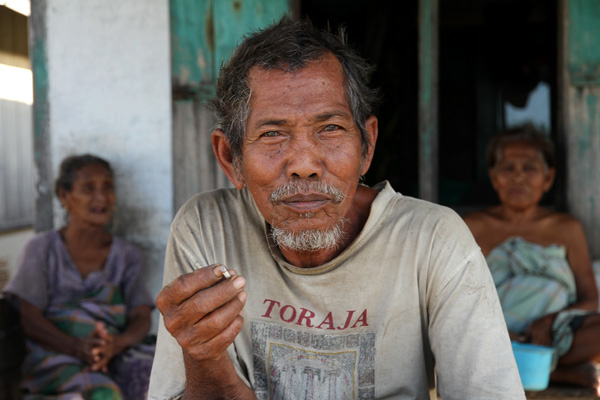
While on the Togean Islands, it's possible to visit some sea gypsies, so called Bajau. Though some of these still live in stilt villages on offshore reefs, most live in settlements on the shore of an island. These less-sea villages might even have a mosque and a couple of shops. The sea gypsies might be a bit more reserved than the usual overfriendly Indonesians, but they don't seem to mind visitors.
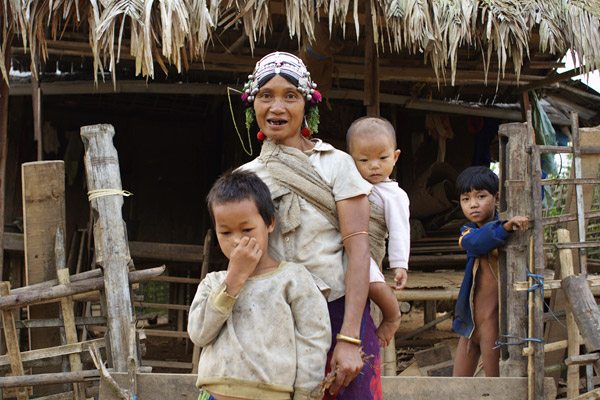
The Akha people is one of the many hill tribes in Laos. They live in the mountains in small villages made up of bamboo houses raised from the ground. They are mainly farmers growing dry rice and corn, but previously they were also keen opium producers, a production the government is now trying to put an end to. The women are fairly easily recognized by their headdresses that are adorned by silver coat buttons. It is possible to visit and stay overnight in an Akha village on a trekking trip, which is a great way to support the otherwise poor tribe.
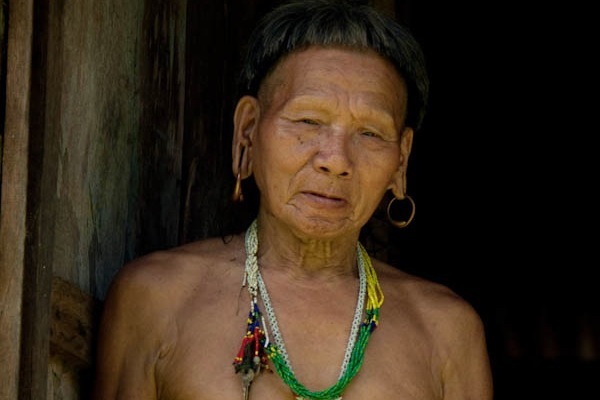
Borneo is filled with many different ethnic groups that have traditionally lived sustainably off the forest. The Penan are one of the last groups of hunter-gatherers that reside in Borneo. Take an adventure up the Baram River and experience how the Penan live. The forest is prehistoric and the Penan are the true experts of the rainforest. Let them share their vast knowledge from medicinal value in plants to how to set up a Penan jungle camp in less than an hour. The Penan still have a strong culture and have many spiritual beliefs that are connected to the forest. Spend a few days camping in the forests, hiking to beautiful waterfalls, climbing unclimbed mountains, and absorbing insight on the forest. Do a homestay and spend time with a host family and see how they go about their daily lives. The Upper Baram is truly an untouched wilderness, with limited or no contact with the outside world.
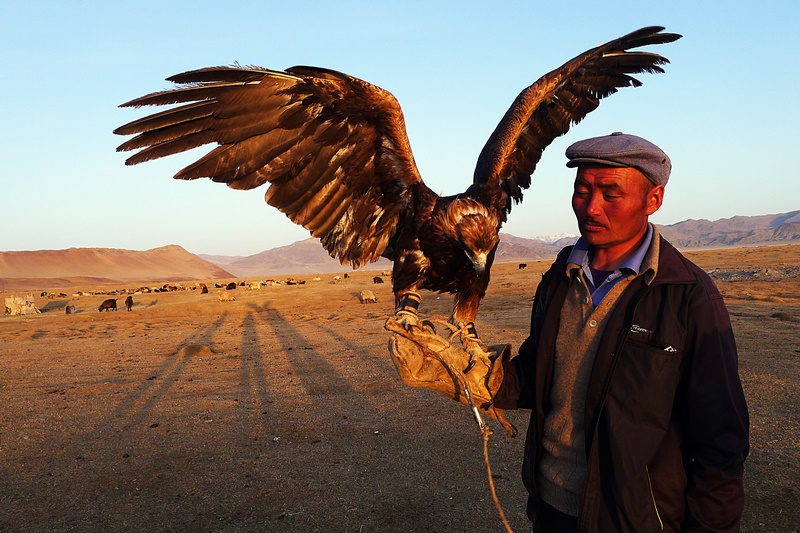
If you ever make it to the far northwestern part of Mongolia is must be to visit the Kazakh minority living here and their eagle hunters. Famous throughout the country - and beyond - the hunters do not hunt eagles; they hunt with them. Going after foxes, rabbits and other small mammals on horseback, eagles are the hunters' weapon of choice. The hunters catch and train the eagles themselves creating a personal relationship with them, establishing a somewhat personal bond where the eagles stay with their hunter because a successful hunt means food for both of them. During the snowy months (November-February), you can join the hunts through tour companies in Ölgii as the hunters need the snow to track the aminals. If the snow has melted, a visit to the hunters' different villages is also an excellent option. In the village of Sagsai/Uujim can you visit an old champion who will offer you food, a place to sleep and watch the eagles training. The isolation is especially beautiful, with possibilities of horse riding and stargazing undisturbed by city lights.
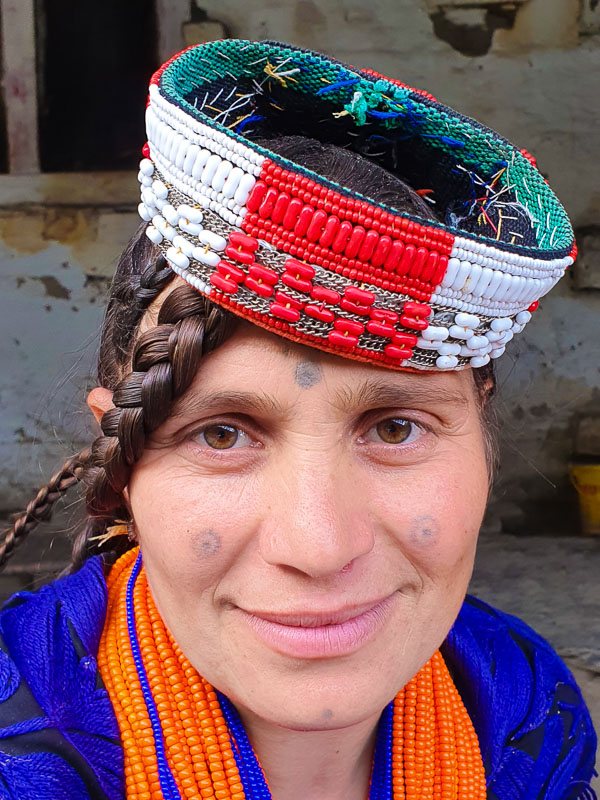
The fascinating Kalasha Valleys are inhabited by the ethnic Kalasha people. They are not Muslims, but have their own pagan belief (though many have converted to Islam recently). They have distinctly different facial features (as they are descendants of Alexander the Great's armies) and the women's traditional dress is particularly colorful. The beautiful valleys are narrow and shaped by the fast flowing Kalasha river. The hill sides are dotted with fields and houses built in stone and wood. There are three main villages, Bumburate (biggest one with too many guest houses), Rumbur (most traditional one), and Birir (the smallest one), all with guest houses. Even though the valleys has been visited by domestic tourists for ages, the people are still surprisingly friendly. However, it's best to explore the villages with a local guide. The journey to get here is also a bit of an adventure, since the 4x4 road is absolutely crap and single track, even though the traffic is two-way.
1 2