

Shopping in Asia
1 2

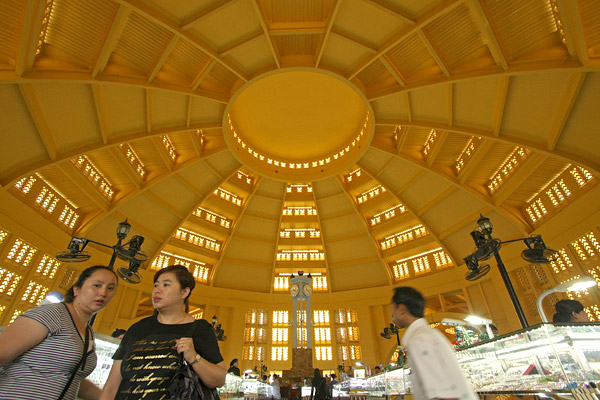
The Central Market is that easily recognisable grand yellow Art Deco building with the huge dome. It was built in 1937 during the French colonial time and had the biggest dome (45 m in diameter) in Asia at the time. In Khmer, the market is called Psar Thmei which actually means "New Market", the "central" name refers to its location - no reason to get confused here. There are four wings in addition to the main hall, along with outer stalls all the way around. Tourist related stuff are mostly found at the outside stalls, while the inside is tempting locals with jewellery, fashion and eletronic goods.
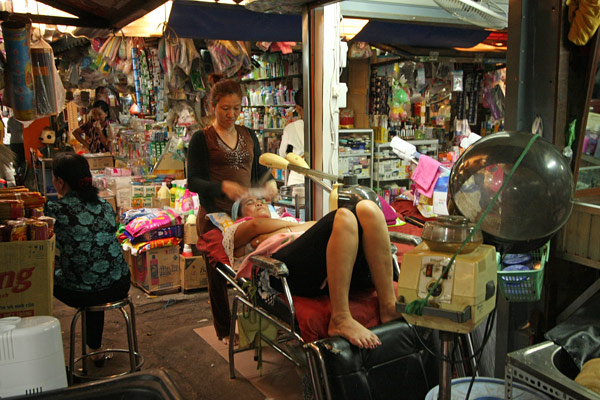
If you thought the Russian Market was dense and cramped, try to visit the Old Market. Underneath low hanging plastic canopies in narrow lanes that even the Khmers have to wriggle through, you can go shopping for hair extensions (real hair), padded push-up panties (yes, to make your bum look bigger) and shiny stuff in every shape, as well as the usual things like fruit, fish and motorcycle parts. As you can guess, this market caters mostly for locals, even though it is close to the tourist stretch at the river front. More the reason to have a look and laugh with the locals here.
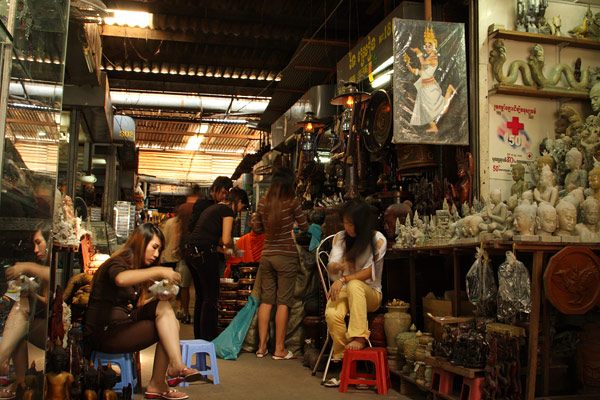
The Russian Market (Psar Tuol Tom Pong), not to be confused with another market Psar O Russei, is wonderfully diverse. Nowadays, it is half and half, half souvenirs and tourist stuff, and half motorcycle parts, clothing knock-offs and food stalls. It is covered and fairly large, so it's not difficult to get lost in the narrow dark lanes. The sellers are friendly and easygoing, but as more and more tourists come here the prices go up. The reason for its name is that during the Soviet times in the 1980s the only places Russians could go to were other communist friendly countries, like China, Vietnam and Cambodia, so they came here and shopped.
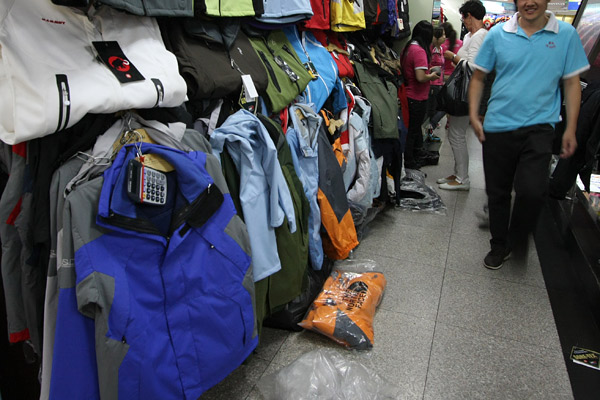
It might seem as a wonder that Yashow Market still exists for the majority of the stuff sold here are counterfeit goods - but hey, this is China. The basement is stuffed with fake shoes and bags, while the next three floors are fake clothes with non-textile stuff ('pearls', souvenirs, toys, electronics, etc.) on the top floor. You have to examine the products very hard for there are big differences in quality and it is rarely very good - yes, some stuff falls apart almost instantly. The sellers are famous for their outrageous first price and you need to bargain ruthlessly, but with money spending tourists flooding in all the time it can be hard to negotiate the price down to something reasonable - like a fifth/tenth of a fraction of the starting price.
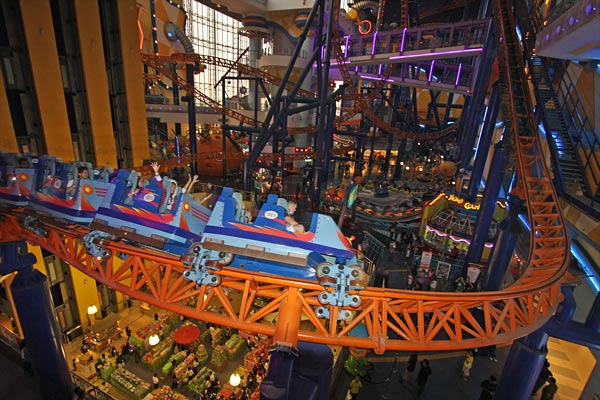
A massive shopping mall with brand names and several floors of fashion for the funky Malays and anyone else that can fit into their tiny sizes. It also has a decent electronic section with computers, cellphones and other high tech accessories for the flashpacker. But the real reason to come here is Cosmo's World, Malaysia's largest indoor theme park. Here you can go nuts on sickening rides like the DNA Mixer, Space Attack and Supersonic Odyssey, which is the crazy corkscrewed roller coaster that races through the whole amusement park.
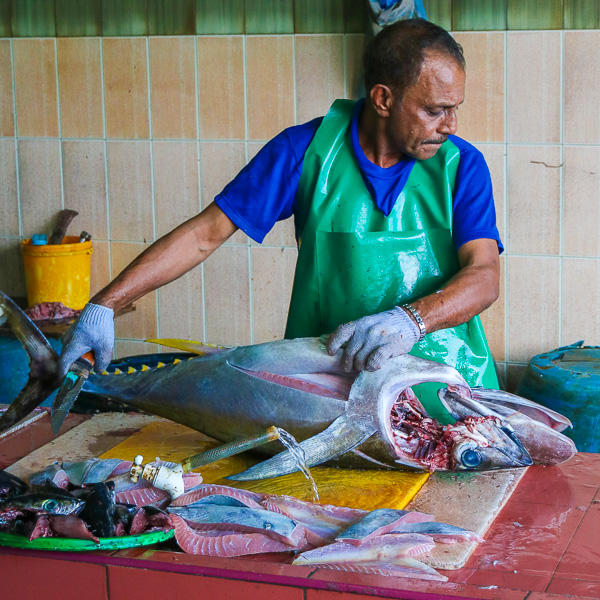
Across the road from the harbour lies the indoor Fish Market. It takes up the bottom floor of the building and is a busy place. Tuna is the most usual catch, but also octopus, sailfish, and more exotic species can be found. Along one side stand all the fish gutter guys, who can gut and fillet a fish in less than 30 seconds. The Fish Market is busy all day, but come in the morning if you want to see some of the real big fish.
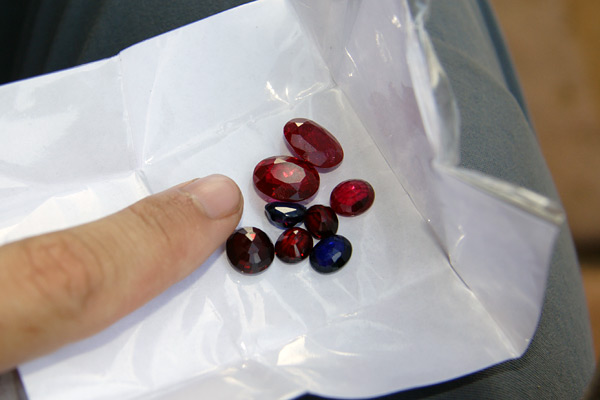
Myanmar is one the biggest sources for rubies and sapphires in the world. It is estimated that 90% of the world's rubies come from Myanmar, which is a bit strange since many countries have trading embargo against Myanmar. But the stones just find their way through Thailand, e.g. to Chanthaburi gemstone market. The most precious of them all is the dark red, so-called Pigeon's blood, ruby. Inside Myanmar it is not unusual to get offered gemstones by strangers in the streets. We got offered the gemstones on the picture from an old man on a bicycle. Do we need to tell that we didn't buy any, even though he promised the stones were real and of good quality - "oh, really?".
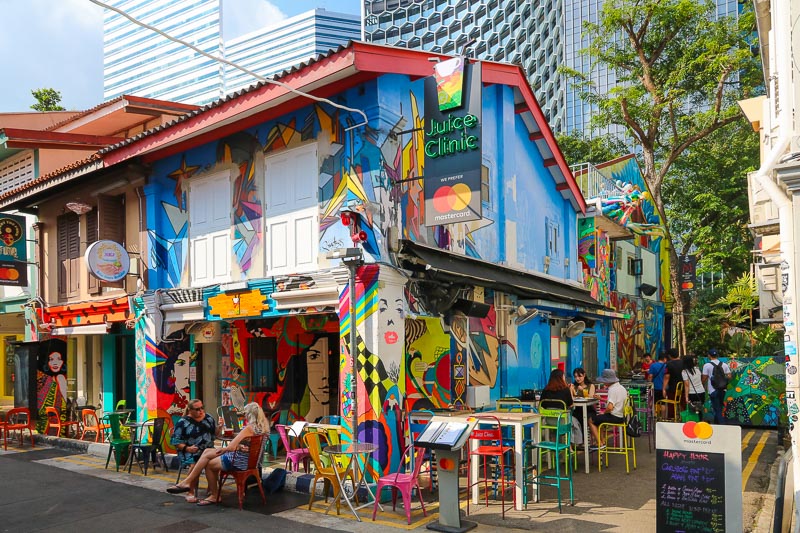
This narrow tucked-away alley is turning into a hip and artsy attraction of its own. There are colourful murals and the traditional shophouses are filled with trendy vintage shops, quirky bars and tattoo parlours. As Haji Lane is close to the touristic "Little Arabia", a fair amount of tourists pass by Haji Lane with selfie-jams as a result.
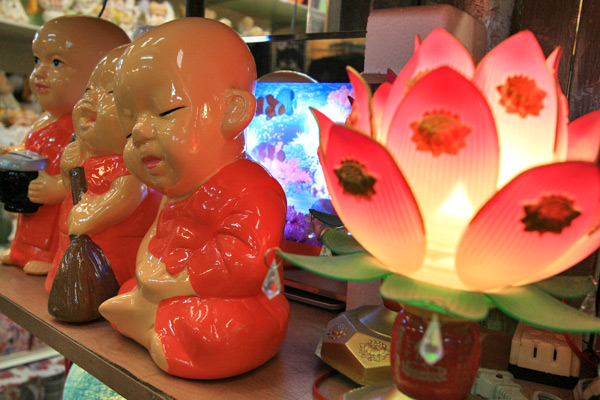
If you can't find it, you haven't looked well enough. The Chatuchak weekend market is massive and you can pretty much find anything under the sun; chopsticks, antiques, wannabe-antiques, trendy fashion, fluffy pets, not-so-fluffy animals, and food in any shape and taste. It probably takes more than a single weekend to get through it all for there are about 15,000 stalls. Yep, Chatuchak is the world's biggest flea market.
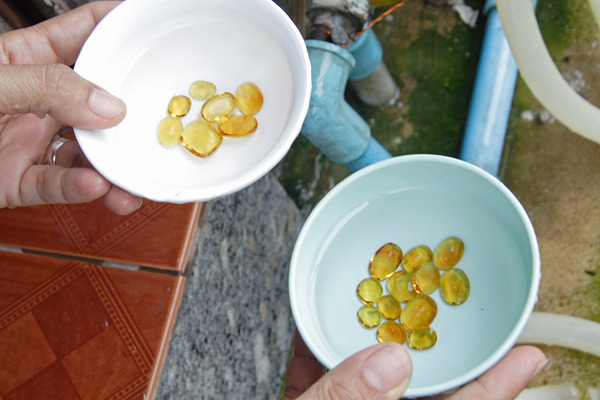
Chanthaburi city is a strange place. What looks like an ordinary Thai city is the capital for Asia's rubies and sapphires trade. The gemstone district is packed with gem dealers where stones get processed, graded, cut and polished. You can even buy your own little gemstone dealer kit with scale and loupe. From Friday to Sunday, gem sellers come in to the big public gemstone market where buyers are waiting. It is not a place for amateurs for the trade is full of dodgy characters with worthless coloured stones. So don't get tempted to make your life's worst investment.
1 2