

Landscapes in Australia and Pacific

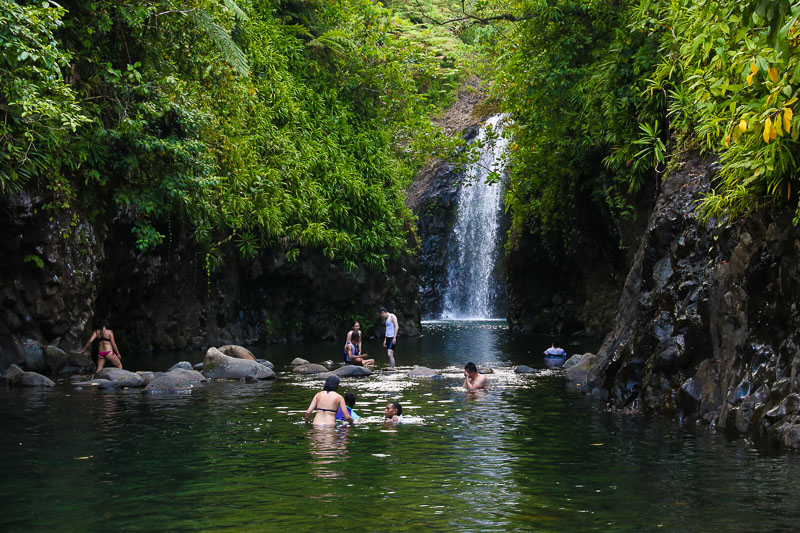
An amazing 5 km walk which first follows some of Fiji's most beautiful coastline for then goes through a lush valley before ending at a gushing waterfall with a cool natural pool. A second hidden waterfall can be reached if you swim between the sheer walls to the last pool right below the big waterfall. You can jump from both waterfalls, but let a local show you first. The trail is well beaten and pass villages, white sandy beaches, black sandy beaches, and across rivers. About halfway are some black rock "mushrooms" where the coral base has been eroded. You have to come back the same way, making it a 10 km hike, which normally takes about three hours for the return journey, but you could easily spend more time swimming.
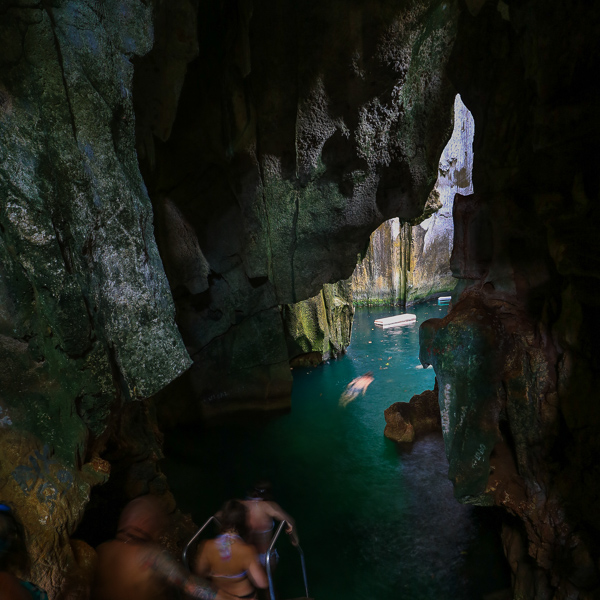
Limestone Sawa-i-Lau Island stands out amid the other Yasawa Islands, which are volcanic. Sawa-i-Lau houses two caves, both with coldish sea water. The first cave is easy accessible from a set of stairs. The cave roof is 15 m high and shafts of sunlight shines through a hole. You can swin in the cold water natural pool. The second cave is adjoined and accessible through a short dive through an underwater passage. It’s totally dark, so a torch is necessary. You have to swim the whole time, but there are rocks here and there to stand on. A scene of the movie The Blue Lagoon was apparently shot inside the first cave. The is cave owned by the village across the channel and these days it’s locked, so you need to go on a tour, but you will need the guide’s knowledge and waterproof torch anyway. In high season it can gets really crowded with several groups in the caves at the same time.
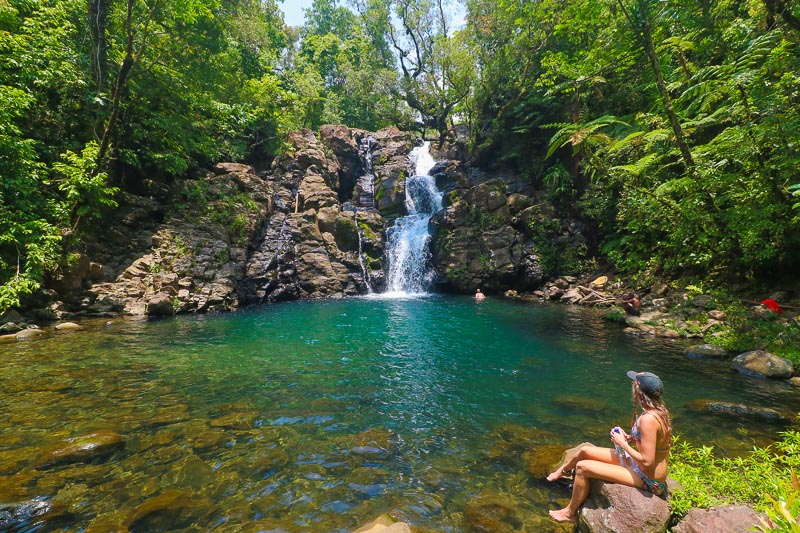
Three dramatic waterfalls which plunge out from the green jungle into refreshing chilled pools. With a 24 m drop the first waterfall is the talles and lies just an easy stroll from the simple visitor centre. The second waterfall is about another 30 minutes hike along the well marked trail through the jungle (two options; bush walk or river crossing). The third waterfall (pictured) is another 20 minutes hike from the second. The last part can be seriously slippery and muddy when wet, so be careful. The jungle trail is easy to follow as there are steps, rails and even ropes. A rushed return trip can be done in two hours, though the information board states three hours.
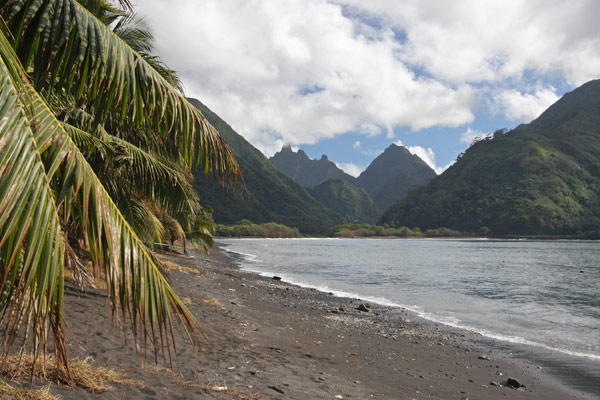
Less developed than the west side with more vegetation and a rough shore that is not protected by an outer reef. The coast has some of the best surf around (and that says something), though not as terrifying big as the Teahupoo wave on the west side of Tahiti Iti. Hidden black-sand beaches can be found here and there, and the lush mountainous inland, which rise steep from the shore, offers excursions to tall waterfalls and lava tunnels among other attractions. So nothing mind blowing, just something to see one those days where you need to heal your sunburns.
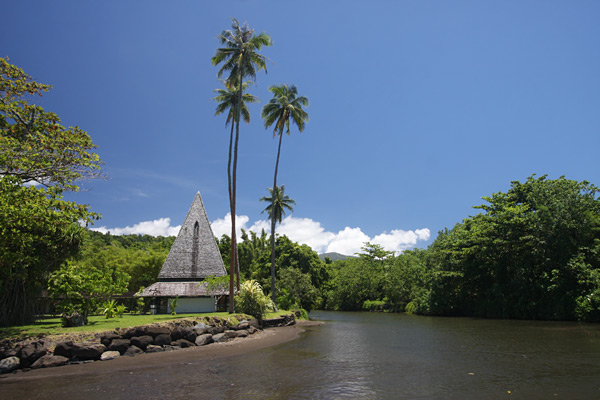
To grasp the charm of Tahiti you need to see the island as a whole, rather than a string of single sights. The west coast is the most groomed and have a handful of sights that cater to the few tourists that actually venture out of their resorts. This include the fine lighthouse at Point Venus, the pretty garden of Maraa cave and the lovely located Gauguin museum (yes, the French painter) that actually does not have a single original painting of the guy (understandable though, consider their values). The road from Papeete to Tahiti Iti (the sizable lump attached to Tahiti's southeast end) wind along the coast passing a range of small patches of beaches, where none are of the white-sand-palm-fringed-postcard-worthy quality that the French Polynesia is otherwise known for, and ending in Tahiti Iti, where the famous Teahupoo wave is breaking.
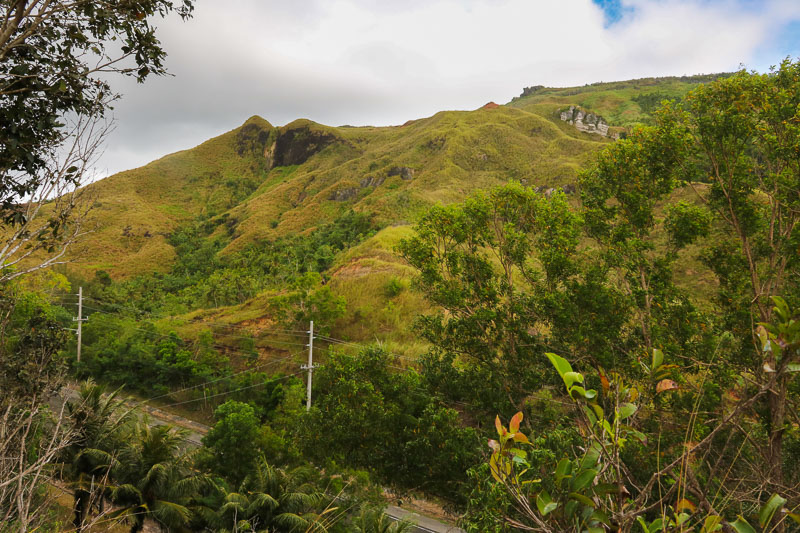
The highest point on Guam is Mt. Lamlam with its staggering height of 406 m. It's possible to hike to the peak and back in about 3-4 hours. The route can and should also include the second-highest peak, Mt. Jumullong Manglo, which is often mistaken for Mt. Lamlam from the distance, as it's covered in with crosses (it's a sacred Catholic site). A fun-fact; Mt. Lamlam actually starts at the bottom of the Mariana Trench 10,994 m below, suddenly making Mt. Lamlam the highest mountain on the planet.
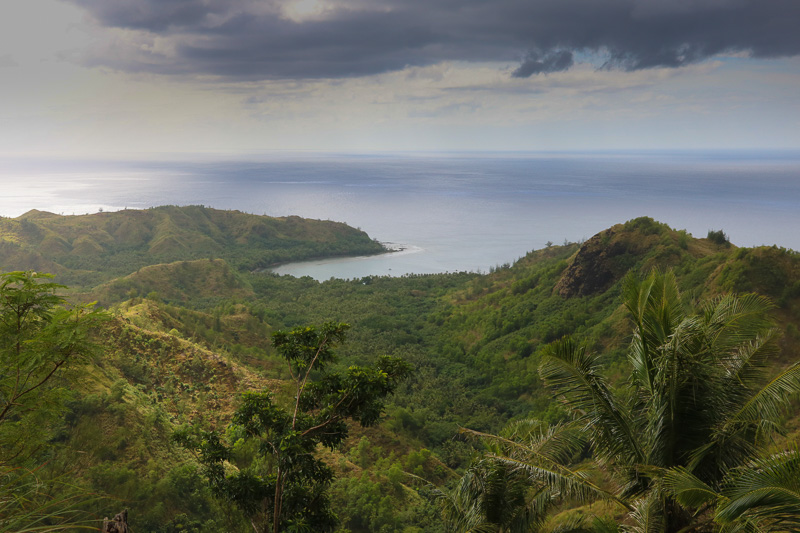
As Highway 2 rolls over the "mountainous" southwest Guam, it possible to stop at three viewpoints; Sella Bay Overlook, Cetti Bay Overlook, and Southern Mountains Lookout. From Cetti Bay Overlook there are nice views of both Mt. Lamlam (406 m, highest on Guam) and Mt. Jumullong Manglo (391 m, 2nd highest). The Mt. Lamlam trail also starts here.
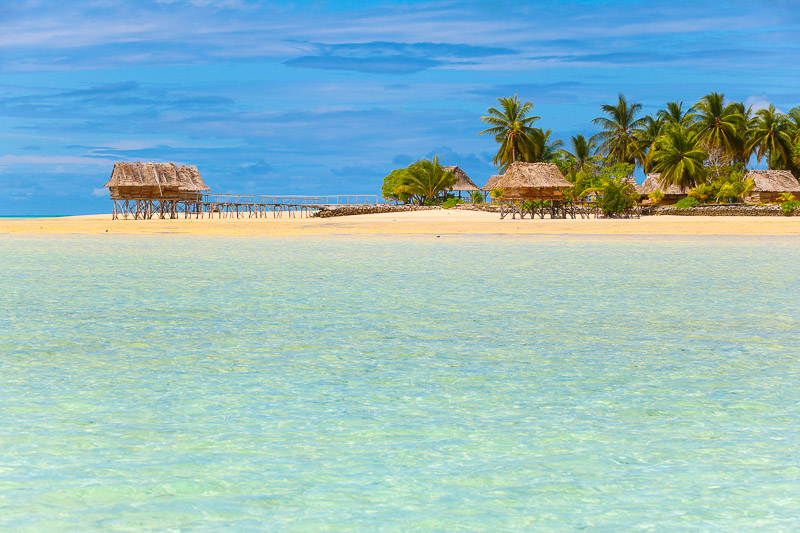
Abatao Island lies in North Tarawa archipelago and is only connected to the neighbouring northern island by a walkway. It's a lovely traditional island with a beautiful palm fringed coastline filled with mangrove, where you can actually take a swim (South Tarawa is apparently too polluted). There is a rustic resort (Tabon Te Keekee) at the south tip with simple over-water bungalows (picture). The small village is a cluster of thatched huts which include a school and a church, little else. At low tide you can walk over the channel from Buota Island, else you need to use the canoe service, which is great fun too.
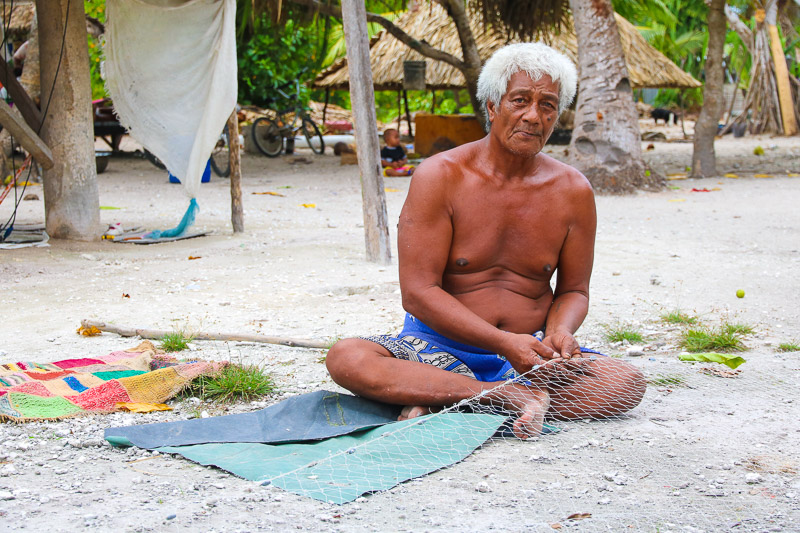
Buota Island is the most southern island of North Tarawa archipelago. The buses stop on the other side at Bonriki, but a car bridge connects Buota to South Tarawa. It's the first taste of North Tarawa's charm of lush vegetation, immense beaches, and tranquillity (and almost no trash). There are friendly villages with traditional thatch huts and simple churches with no walls. It's the end of the road, so if you want travel further north, you need to island-jump. Abatao will be the next island and is just a short public canoe ride away or walk, if the tide is low.
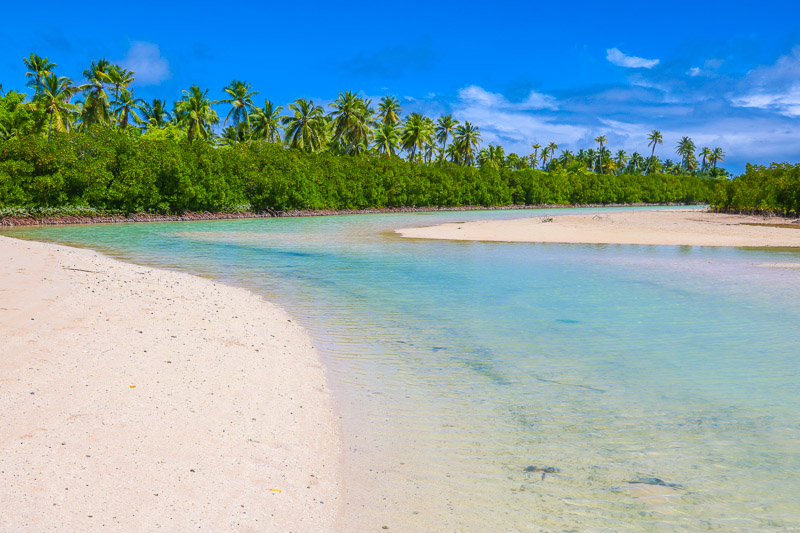
The next island up from Agatao Island is Tabiteuea. There is a broken concrete bridge between those two, else you can always just walk on the sandy lagoon at low tide. Tabiteuea is covered in palms, mangroves and scrubs, and the only infrastructure (beside the lagoon) is a narrow trail, just wide enough for a bicycle, through the dense vegetation. Like on Agatao, the friendly locals lives in traditional thatched huts with semi-open sides.