

Cities and Towns in Europe

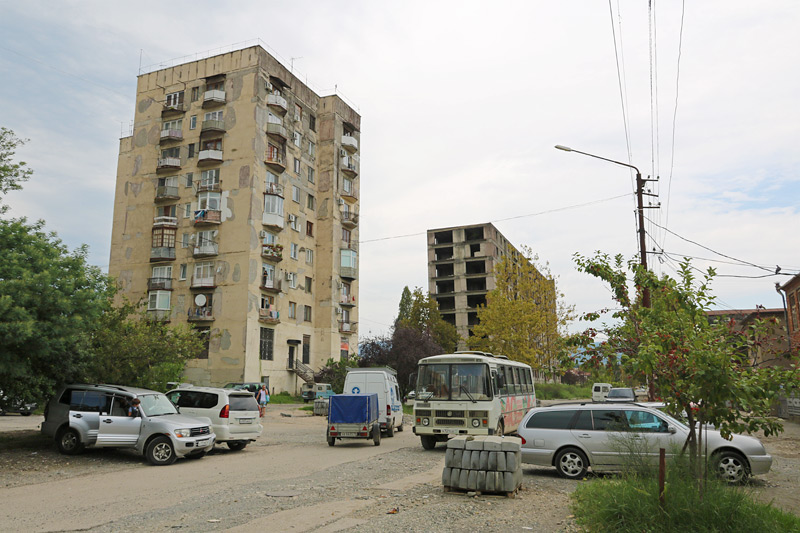
The capital of Abkhazia has a strong post war feel about it. Every second building is abandoned and the rest are mostly in a very neglected state with crooked balconies and what looks like bullet holes. Most of the smaller streets are in bad condition, and even the waterfront, which attracts so many Russian tourists in high season, is dilapidated and worn. But don't be put off by all this neglect, for it's actually the charm and attraction of Sukhumi - and Abkhazia too, for that matter.
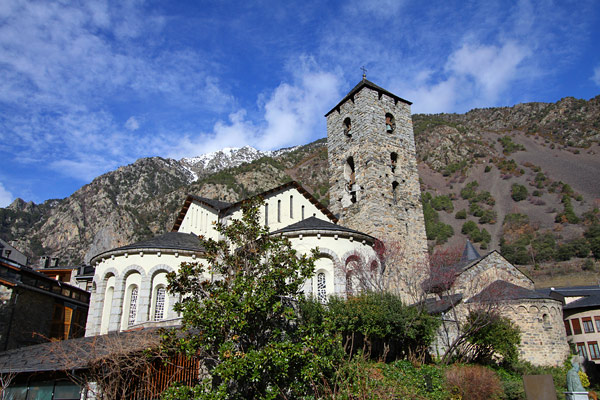
Andorra is tiny and so is its capital Andorra la Vella. The name literally means "Andorra the old", which unfortunately only refers to a small fraction of the otherwise modern mountain town. Its setting is pretty along a raging river at the bottom of a valley with gorgeous views of mountain peaks. Andorra la Vella isn't known for much else than being the highest capital in Europe (altitude 1023 m) and for its tax-free shopping. The main streets are lined with shops selling any combination of electronic goods, booze, cigarettes and sports gear, and get easily clogged up with power shoppers from Spain. However, the town is more than cheap sneakers and traffic jams. Even though there aren't many sights within the town itself, it makes a perfect base for exploring the rest of Andorra, where any place can be reached within a hour - on traffic-jam free days.
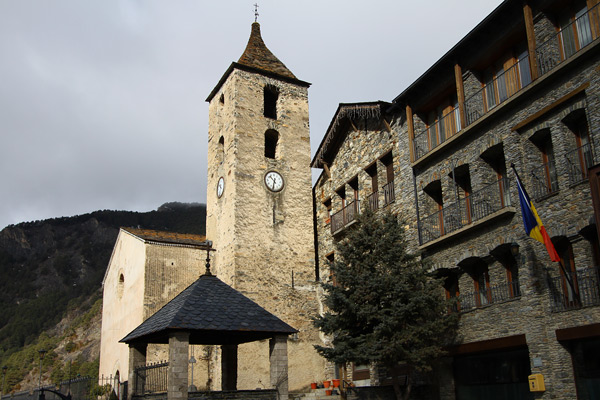
Ordino is one of the most charming towns in Andorra. There are old traditional stone houses, a 12th century church and even a few cute winding streets where no concrete buildings are in sight. Trekking trails of varying degrees of difficulty lead into the mountains and for those less active, there are pretty views of the valley from the tourist office. Like any town in Andorra, it's a short bus ride from Andorra la Vella and even closer to the skiing area at La Massana, making Ordino a good option as a base while in Andorra.
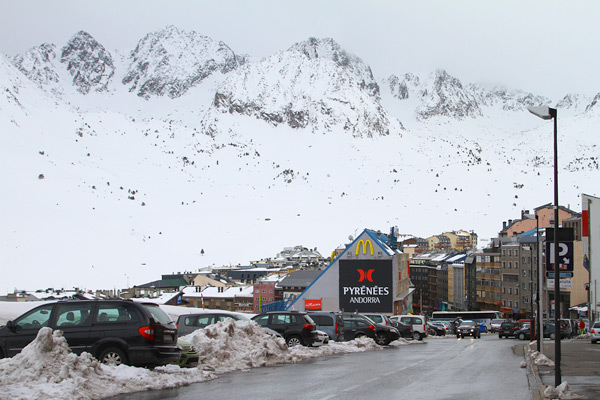
A few hundred metres from the French border lies the ugly town of Pas de la Casa. It's a wonderful strange blend of tax-free shopping and ski resort. Big parking lots filled with cars and tourist buses take up the first part of town. The middle part is the shopping zone lined with shops selling anything from grocery, cigarettes, chocolate and booze to sports gear, motorcycle equipment and souvenirs, along with a few trashy fashion stores and sexy lingerie boutiques. The last part of town lies at the foot of the mountains and is devoted to skiing. There are breathtaking 180 degrees panoramic views of the mountains and the ski slopes run right into town, within mere metres to all the hotels, restaurants and après-ski bars.
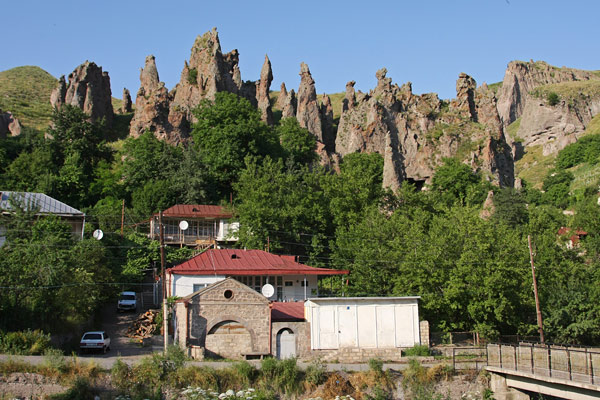
Goris town is different from many other Armenian towns. The majority of the houses are made in stone with red roofs making all the streets look the same. Shady trees line the hilly streets and there are hardly any ugly Soviet buildings in sight. The town is nested in a bowl of green hills and on the outskirts of the town, you find the cemetery and what can be best described as a "mini Cappadocia" - natural limestone pillars with cave dwellings which, these days, are mostly used as stables for cattle and napping for the herdsmen in the fierce summer heat. Goris is the travel hub for Nagorno-Karabakh and Iran and makes a great base while exploring the area.
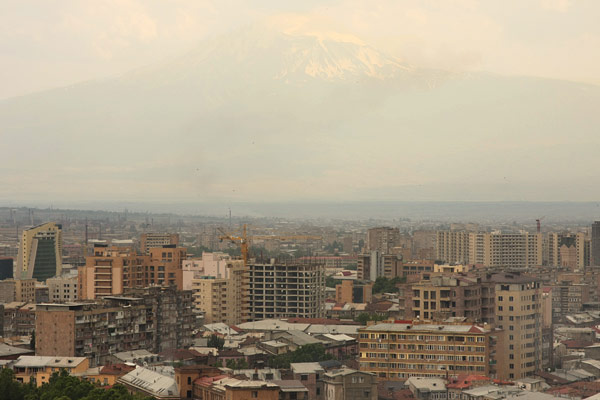
Yerevan is a strange mix of drab Soviet-era apartment blocks, imposing Stalinist masterpieces and new-but-not-finished real estate projects. Even though it is one of the longest inhabited cities in the world, not many buildings pre-20th-century remain, due to the extensive city reconstruction that happened during the Soviet years and which was not fully implemented until recently with the finishing of the Northern Avenue. But this being Armenia, and not Eastern Europe, the street scene is extremely lively with a never-ending range of cafes, some very flamboyant with outdoor couches. Central Yerevan is small and walkable, so you can see the major sights within a day or two. The main sights are Cascade (Soviet monument turned not-completed contemporary art museum), Republic Square (former Lenin Square), Opera House and the surrounding cafe area and Vernissage Market during the weekends... oh, and the majestic views of Mt. Ararat on clear days from the top of Cascade.
© John Smith
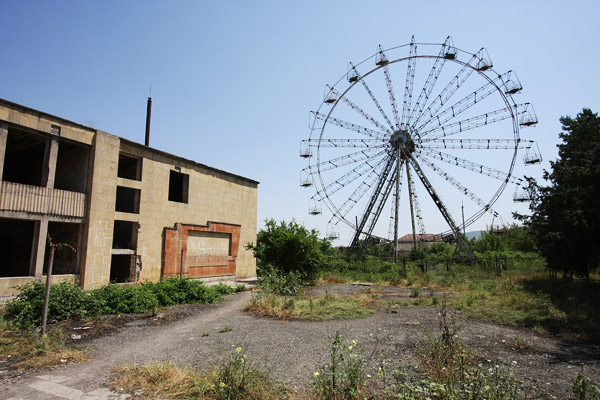
Martakert is the northernmost town in Artsakh. It is not far from the front line and it took some serious damage during the war, which you can still sense today. There is not much to see here in terms of sights, but the little market town has a rough frontier feel. If the mountainous northern route to Armenia through Kelbajar and Zod pass opens up for foreigners, Martakert might be the place to start that adventure from.
© John Smith
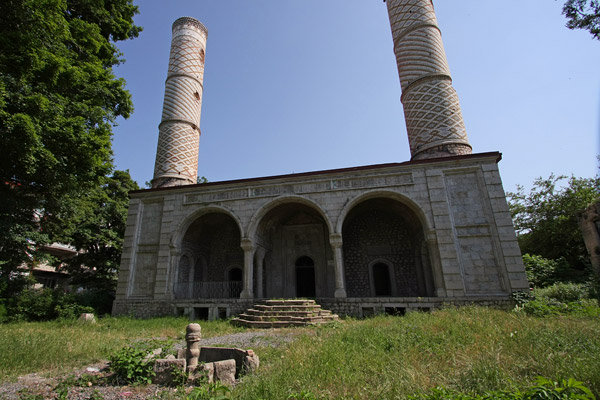
Shushi town is perched high on the rim of a valley where Stepanakert lies below. As with Stepanakert, it was once a proud town with fine houses and several mosques, but the war has left the town torn and shabby - but in a strangely appealing and interesting way. Before the war, the population was mostly Azeri and it was one of the last stronghold for Azeri troops. A few buildings have been rebuilt, including the fine white cathedral, but else the town looks like the war ended yesterday.
© John Smith
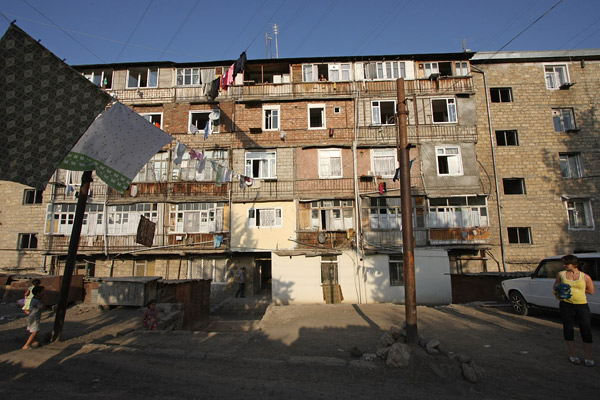
The capital of Artsakh, Stepanakert, has a strong post-war feeling. The streets are potholed and ramshackle apartment blocks look like brick patchwork, but the handful of shiny new or soon-to-be-finished buildings witness the coming change to Stepanakert. As in Armenia, street life is vibrant and the fine renovated central park gets packed with young and old in the evenings when the heat is loosing its suffocating grip (in summertime). There are several fairgrounds for kids and the locals never seem to be tired of walking up and down the main street. Stepanakert is one of those towns that don't seem appealing at first, but it will grow on you.
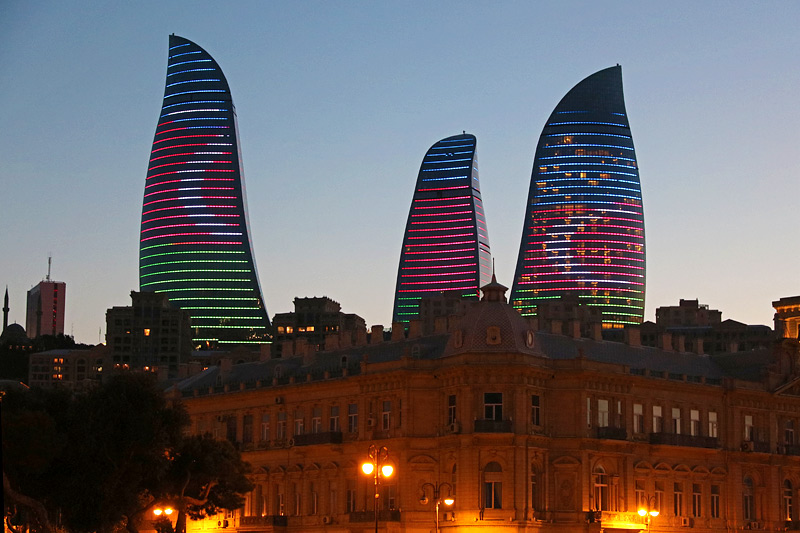
Baku is city full of contrast. It emerge as an urban oasis on the barren coastline of the Caspian Sea, which otherwise is dominated by oil plants, industry, and dust. Modern condos mixed with Soviet-era apartment blocks make up most of the drab suburbs, but the city center and waterfront is a totally different story and a testimony to what oil money can buy. Wild and crazy architecture, like the Flame Towers (190 m) and Heydar Aliyev Cultural Center, dot the city - and more are under construction. But Baku has also some historic and elegant areas. The fine, but touristic, UNESCO-listed Old City is walled with narrow alleys. Right outside its walls lies a charming neighborhood with tree-lined streets and fine boutiques, not unlike Paris, which extend to the classy shopping streets near Fountain Square. So Baku can either be dreadfully dull or overly exciting, it depends where you explore.