

Monuments and Landmarks in Europe
1 2

© John Smith
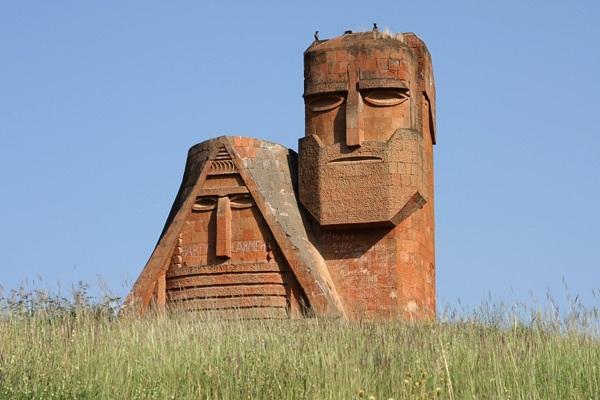
The "We Are Our Mountains" statue is Artsakh's biggest icon - ok, maybe only icon. You will see this national symbol on postcards and fridge magnets in Armenia way before you even come to Artsakh. It stands on a hill a short drive (or long walk) outside Stepanakert and was built in 1967.
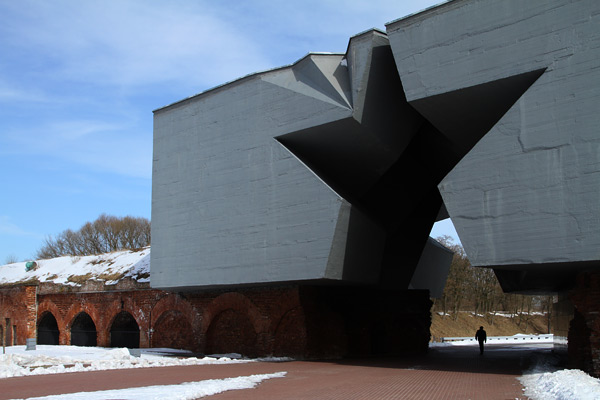
If you should mention one national icon for Belarus, the Brest Fortress should be it. The grey concrete main entrance with the star-shaped opening is on the 50 BYR note, while the other side of the bill has the south entrance depicted. The fortress was originally built in the 19th century in what was then part of the Russian Empire. It was one of largest of the Russian fortresses, but became even bigger with every modernizing and upgrade it went through. During WWII, the Soviet soldiers defended the fortress so hard against the Nazis that Brest became one of the 11 "Hero Cities" in the Soviet Union along with Leningrad and Stalingrad. Today there isn't much left of the fortress besides the outer wall, which is riddled with bullet holes, and some buildings including a gorgeous Byzantine church. But, considering how heavily it was bombarded, it's impressive that there is anything left at all. The main sights are a towering obelisk and a giant stone face. The internal fame at the base is occasionally guarded by teenage soldiers with guns, who put on a show at the guard shift.
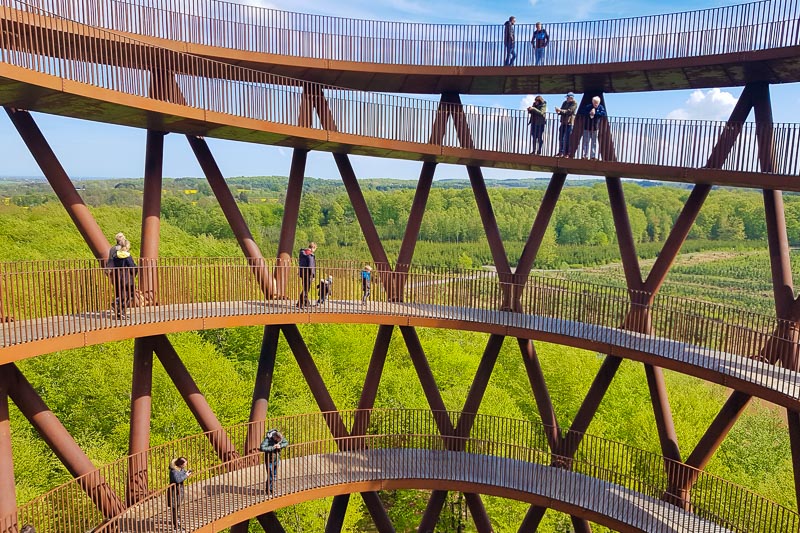
The hourglass-shaped tower started as an imaginary architectural rendering (photorealistic drawing). When the images hit the web, people actually thought the tower already existed. Suddenly the project got traction and funding could be raised. After two years in the making the Forest Tower was a reality in 2018. The spiraling walkway, with no steps, takes you 45 meters into the air and over the treetops to the observation deck at 140 metres above sea level (the highest accessible point in Zealand). From here you have unmatched panoramic views over the beautiful landscape of South Zealand, and on clear days you can see as far as Copenhagen and Malmo in Sweden. The Forest Tower is a part of Camp Adventure, which is a climbing park with high rope courses and zip lines.
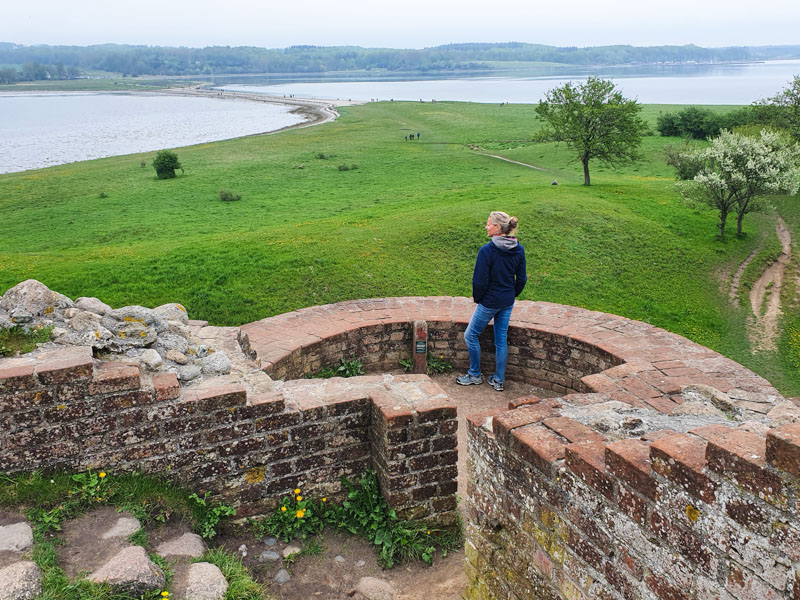
What really sets Kalø Castle Ruin apart is the impressive settings on an island only connected to the mainland by a 500 m long artificial cobbled embankment. The medieval castle was originally built by the Danish King Erik Menved in the year 1313 and was constructed by local peasants forced labour to break their "rebellious spirits". Today, only some of the outer wall and a tower stand, but the views are just splendid. Kalø Castle Ruin is located within Mols Mountains National Park and lies along the hiking trail "Mols Bjerge sti".
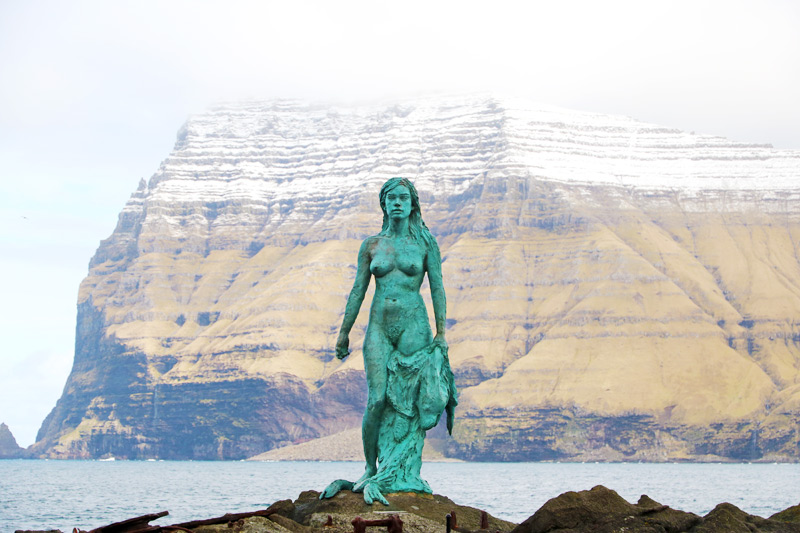
It seems that every nation needs a famous statue - the Faroe Islands have Kopakonan. It's a statue of a naked woman, who steps out of her seal skin. According to legend, seals are humans who took their own life by drowning in the sea. Once a year they come ashore, shed their seal skins and become humans, and dance the night away. The Kopakonan statue is placed in Miklardalur on Kalsoy Island right at the waterfront with Kunoy's majestic mountains as background. In combination with the hike to Kallur lighthouse (from Trøllanes), they make the short ferry ride to Kalsoy (20 min from Klaksvik) well-worth .
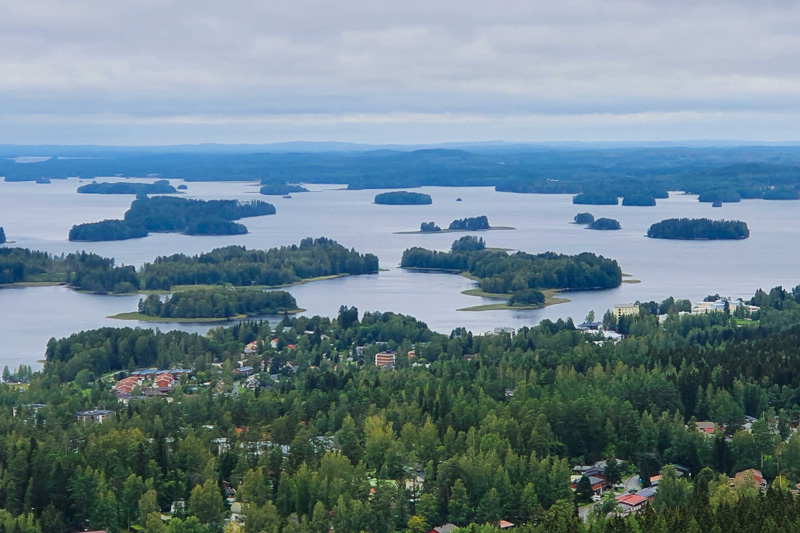
The first Puijo Tower was 16m high and built in 1856. The one that stands today is built in 1963 and is a bit more impressive with a height of 75 m. It's an observation tower with both a café, revolving restaurant and outdoor viewing platform at the top. You can only get up by the elevator, which costs a fee.
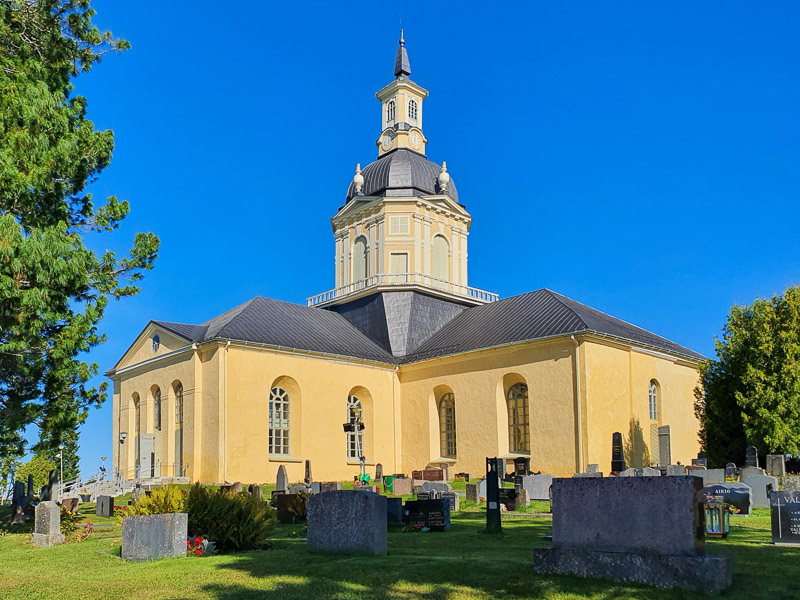
The Struve Geodetic Arc is a series of triangulation points, stretching over a distance of 2,820 kilometres (1,750 mi) from Hammerfest in Norway to the Black Sea. The points were set up in a survey by the astronomer Friedrich Georg Wilhelm Struve who first carried out an accurate measurement of a long segment of a meridian, which helped to establish the size and shape of the Earth. Originally, there were 265 station points. The UNESCO World Heritage Site includes 34 points in ten countries (north to south: Norway, Sweden, Finland, Russia, Estonia, Latvia, Lithuania, Belarus, Moldova, Ukraine), six of which are in Finland. Alatornio Church, one of the station points in Finland, is pictured.
© Sarah Hishan
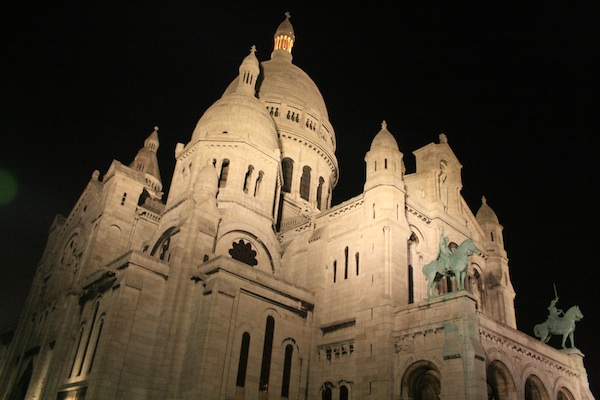
Like a white castle appearing in the sky, the Basilica of the Sacred Heart of Paris is a popular landmark. Located in the 18th arrondissement, its a monument planned as a guilt offering after the devastating Franco-Prussian War and the embarrassments of the government that came with it. It is located at the peak of Butte Montmartre, the highest point of Paris. Needless to say, stunning panorama views can be enjoyed in addition to the church steeped in religious and political history. Inside the Basilica, you'll find golden mosaics above the choir perch that remains one of the largest of its kind while the bronze doors to the portico reenact scenes from the last supper in intricate detail. Visit Sacre Coeur either in the early morning or late evening, when crowds are less and if you want to avoid the long walk up, there's a furnicular to help you out. For budding photographers, dusk provides beautiful shots of the church against a pinkish hue.
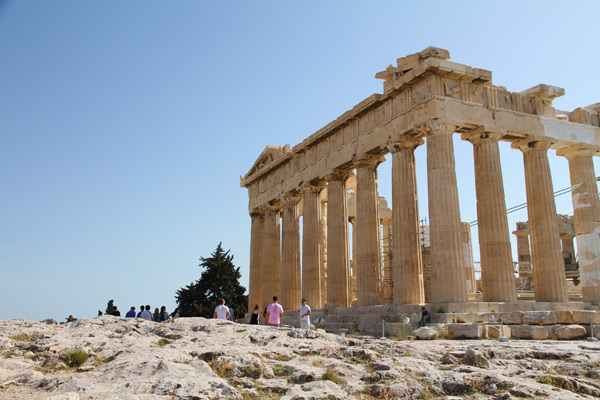
Acropolis is of course a huge and important historical site, but what really makes it pop, is its location. Perched on top of a hill right in the middle of Athens, so it can be seen from almost everywhere within the city. The panoramic view from the top is equal amazing and stretch all the way into the Aegean Sea. It was the ancient Greek (not a given) who built this magnificent temple complex around 440 BC and no expense was spared. The crown jewel is no doubt Parthenon with its tall marble columns, which are constructed such they lean slightly inwards to create the optical illusion that they look straight. The Acropolis site is surrounded by several other ancient sites on it's slope, like Theatre of Dionysus and further down, the Ancient Agora (ancient city square). To fully appreciate and understand this masterpiece, a visit to the Acropolis museum is a must.
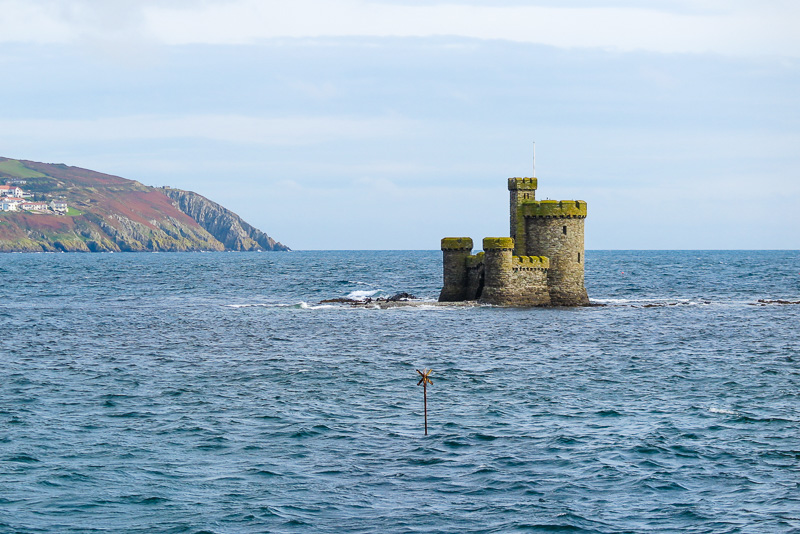
At high spring tide the Tower of Refuge looks like a mini-castle floating around in Douglas Bay. At the low tide, it's revealed that the tower is actually built on the exposed reef. After several shipwrecks upon a partially submerged rock, the tower was constructed in 1832 to stand as a warning for incoming ships, and to give shelter to surviving sailors until help could arrive. It's possible to reach the tower on foot at low spring tides.
1 2