

Wicked places in Europe

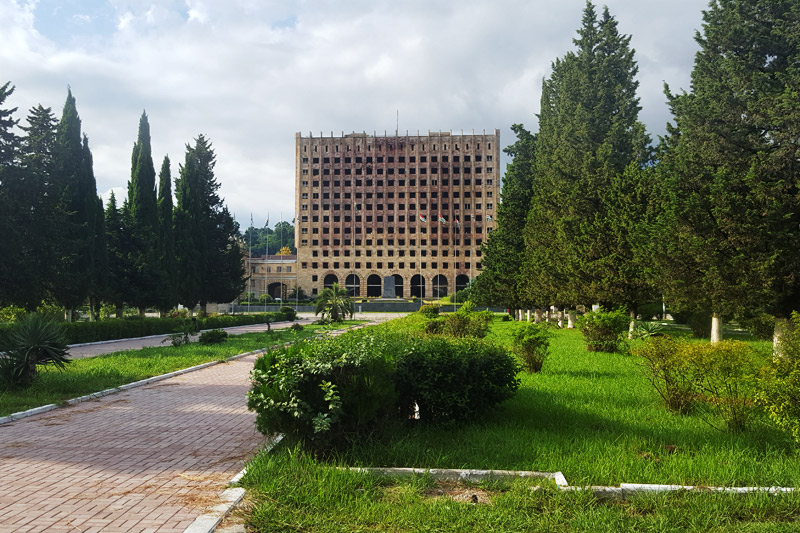
Abkhazia is a heaven for fans of abandoned buildings. It feels like every second house in Sukhumi is abandoned. The most famous of them is probably the old government house right in the middle of town.
© John Smith
Don't step on them!!!
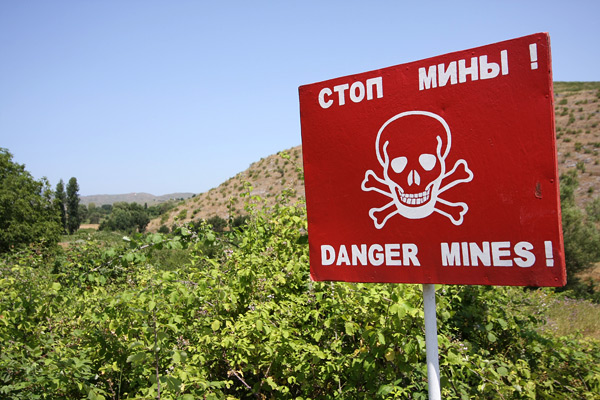
No seriously, both Armenian and Azerbaijan forces mined the East front of Artsakh heavily in the 1991-1994 conflict. Many areas have since been cleared, but there are still a lot of land that is mined. The safe areas are those with a blue HALO Trust sign saying "cleared", while you want to stay clear of the areas with the red mine sign.
No seriously, both Armenian and Azerbaijan forces mined the East front of Artsakh heavily in the 1991-1994 conflict. Many areas have since been cleared, but there are still a lot of land that is mined. The safe areas are those with a blue HALO Trust sign saying "cleared", while you want to stay clear of the areas with the red mine sign.
© John Smith
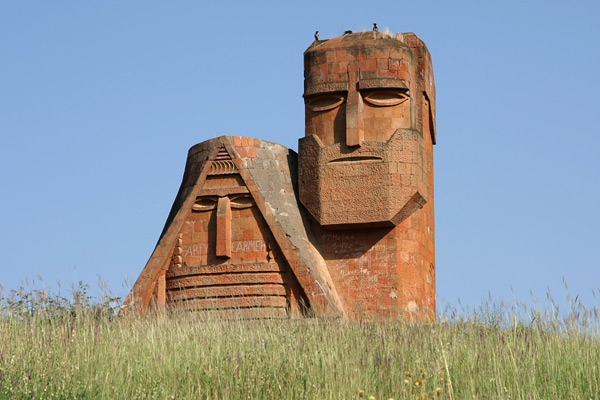
Republic of Artsakh (previously known as Nagorno-Karabakh) is a republic recognised by few, and definitely not by Azerbaijan. It lies within Azerbaijan, but is disputed between Armenia and Azerbaijan. Mostly populated by ethnic Armenians, it was however established as part of Azerbaijan during Soviet Times. When the USSR dissolved, the conflict reemerged with fierce fighting going on in 1991-1994 which left Artsakh wartorn. Today, it is possible to visit Republic of Artsakh - but only from Armenia. You will be denied entry to Azerbaijan if they find any proof (souvenirs, photos, visa) that you have been to Artsakh.
Our guide to Artsakh.
Disclaimer: We are not political here on Globe Spots, we are just presenting things from a traveller's point of view.
Our guide to Artsakh.
Disclaimer: We are not political here on Globe Spots, we are just presenting things from a traveller's point of view.
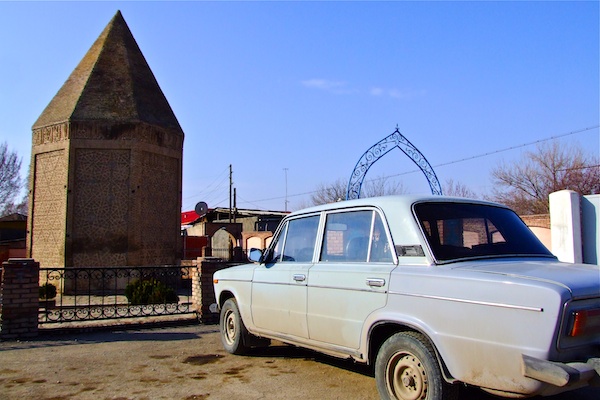
Seemingly cut off from the rest of Azerbaijan by Armenia, the exclave of Nakhchivan sees very few tourists. With some saying the region was settled by Noah himself (of biblical fame) the area, including it's capital Nakhchivan seem to be stuck in the past. Although largely used for Iranians looking to blow off a little steam in otherwise alcohol-less Iran, there is sufficient tourism infrastructure in the city to use as a base for region explorations. For those not wishing to wander too far off into the unknown, Nakhchivan City has several mausoleum scattered throughout the town to occupy a day or so. Keep in mind, the people here are not as friendly as other in the region, and they are VERY sensitive about issues with Armenia. In fact, it is possible that you will be denied entry to Nakhchivan if you have an Armenian visa (a practice not enforced in the rest of Azerbaijan). To get here, you'll either need two Azerbaijani visas, or fly from Baku.
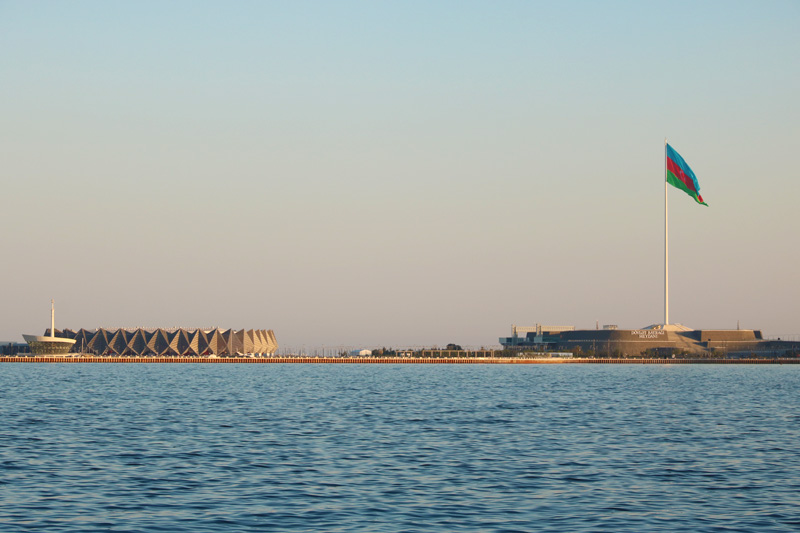
When the National Flagpole (162 m) in Baku was erected in 2010, it was the tallest in the world. However, the title was short lived as it was overtaken by the Dushanbe Flagpole (165 m) in Tajikistan just 8 months later. And that record was furthermore beaten in 2014 by the Jeddah flagpole (170 m) in Saudi Arabia, which still is the tallest flagpole to this day.
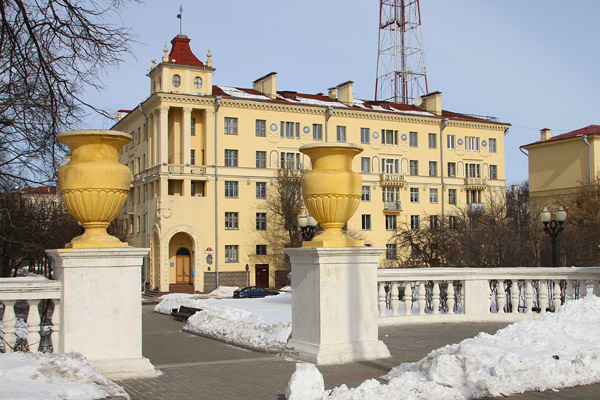
This sight pretty much sums up how much the Western world is interested in Belarus - well, close to zero. So instead of directing travellers to Belarusian sites of local historical interest, guidebooks present a place where an American guy, who (maybe) killed an American president, once lived during his twenties more than half a century back. The locals in Minsk have of course no clue why this house is mentioned in foreign travel guides.
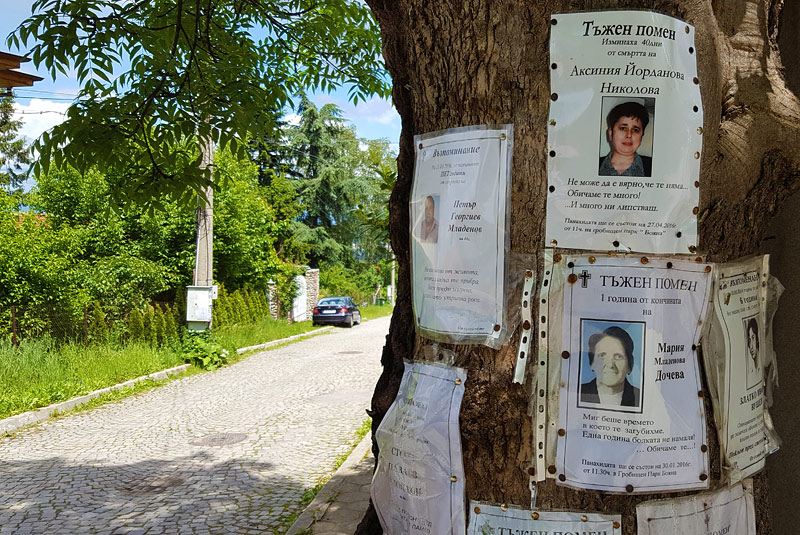
On trees and light poles you will see posters with a picture of a person. At first sight you might think it's a missing person poster, but is not. Those are the Bulgarian version of death announcements, which information about the funeral for the recently deceased - and they probably work better than a small notice in the local newspaper.
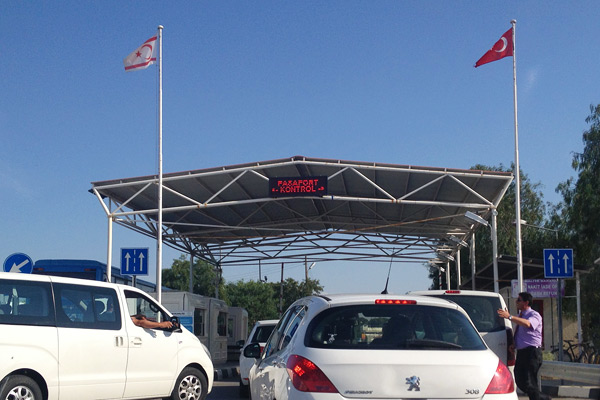
Though the island of Cyprus is officially one nation, it has been divided since 1974 into two separate republics; the Republic of Cyprus (Southern Cyprus) and the Turkish Republic of Northern Cyprus, though the last one is not recognized. In 2003 the borders opened to everyone – both the Northern and Southern Cypriots, along with tourists. You still need to show your passport and if driving across, make sure you have insurance for both sides. No matter which side you stay on, a trip to the other side is highly recommended as the two sides are still very different – and not just geographical. The Northern side is like being in Turkey with mosques, great food, and herd of goats along the narrow potholed roads. The Southern side is more like Western Europe with wide highways and lots of tourist facilities at the many resort towns.
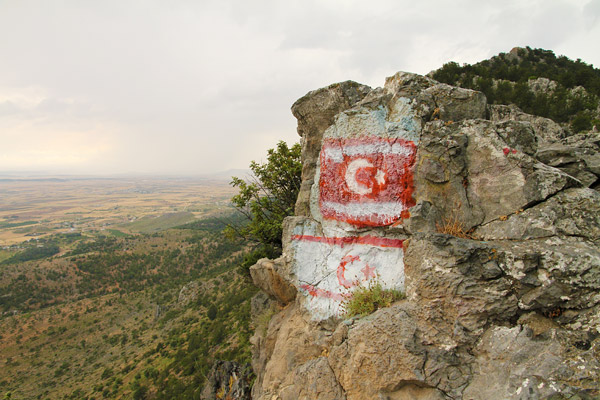
Turkish Republic of Northern Cyprus is the official name of the occupied Northern Cyprus. It's only recognized by Turkey and the autonomous republic of Nakhchivan in Azerbaijan. The island was divided in 1974 when the Turkish army intervened a coup d'etat led by a Greek-Cypriot to protect the Turkish-Cypriot minority. Since then the country has been divided into two separate parts. In 2003 the borders opened so it was possible for locals and visitors to cross between North and South (with passport or national ID) - and this is still the situation today. They use the Turkish Lira in the Turkish Republic of Northern Cyprus, while the Republic of Cyrpus (Southern Cyprus) is a member of the EU and use the Euro.
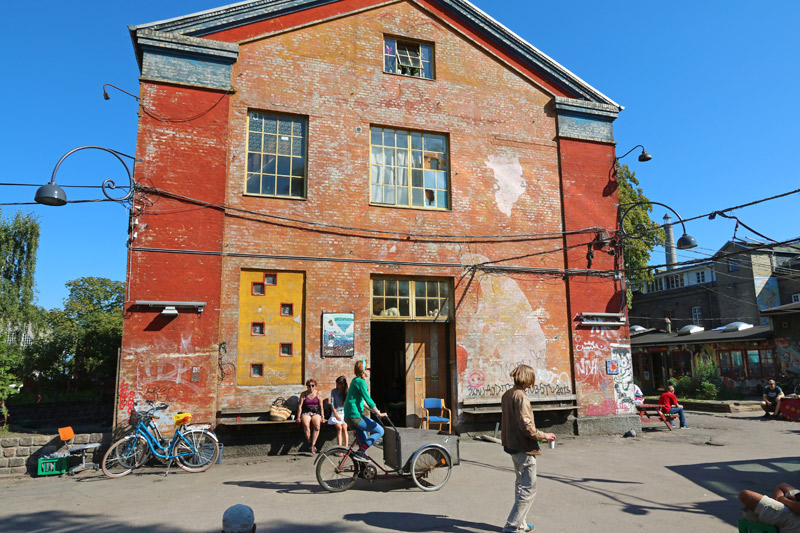
Christiania started as a free-spirited hippie community in an squatted military area in the 1970s right in the middle of Copenhagen. They were never kicked out and the small community slowly grew to a self-proclaimed autonomous neighbourhood with experimental theatres, shops, bars, workshops, imaginative homemade houses and a lot of drugs. In the beginning, all kinds of drugs were sold, which attracted a lot of trouble. But Christiania got its act together and cleaned up so only soft drugs, like hashish and marijuana are sold in the street that has become known as "Pusher Street" - a name that sticks today on official maps. Though drugs (including soft drugs) are illegal in Denmark, the street is still lined with dealers showing their merchandise just like any other flea market, but police raids are not uncommon. Christiania has become the third most popular tourist attraction in Copenhagen after Tivoli and the Little Mermaid.