

Cities and Towns in Middle East

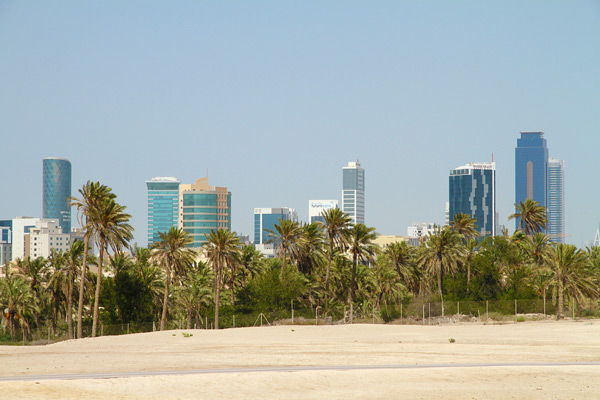
Middle Eastern capitals often sell themselves as modern and exotic, but very often they are little more than a collection of supermalls, construction sites, and shinny office buildings in geometrical shapes. At first sight, Manama isn't anything different – it even lacks of any flamboyant twist, contrary to like Dubai and Doha – but when you venture into the winding lanes of downtown Manama or the neighbourhood of Muharraq (near the airport), you will see a very less modern and lively city. Here the traditional dressed Arabs are easily outnumbered by migrant workers from all over Asia. In these quarters there are always a scent of spices and it's possible to have a brilliant meal for a few dinars. Bahrain's liberal attitude to their expats also mean you can find a cold beer (legally), if you look hard enough.
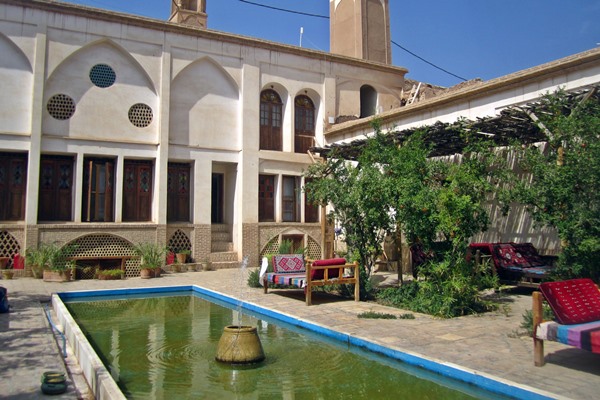
More relaxed, less flashy and free from the bypassing crowds of foreign and domestic visitors alike, Kashan has a vibe and authenticity found neither in Shiraz or Esfahan. A number of countless traditional houses in the city have been opened up to the public. Each made up of a number of interlinked mansions and courtyards, complete with fountains and colorful glass windows. Even more houses have been made into atmospheric traditional hotels and tea-houses making it hard to get up from the tea-beds to anything else but find another for just one more fix of tea, dates and qalyan(waterpipe). Add to that an intriguingly symmetric Agha Borzog mosque an madrasssa and one of Iran's nine UNESCO sited Persian Gardens and Kashan is definitely a place worth to linger, though few do...
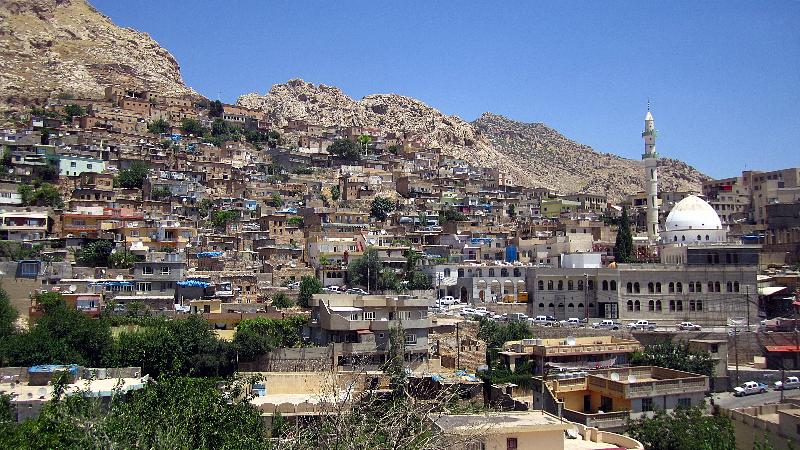
With its houses and alleys climbing the mountain side, Akre (or Aqrah) is a picturesque town halfway between Erbil and Dohuk, making it a good way to break a journey between the two. The old town's market is literally on the mountainside, providing a new "market experience" if the similarity of Kurdistan's normal markets are becoming too monotonous. The town used to be a home to both Christian and Jewish minorities, and there are still reminiscences of this hidden in the town, including a beautiful church. Above the town, on the mountain, Zarvia Dji provides splendid views over the town from an old monastery. After exploring the steep lanes of the old town make sure to ask for directions to the town's waterfall where it is sometimes possible to have a dip. Akre is also famous for its Newroz celebrations on March 21st, where bonfires light up the mountain side.
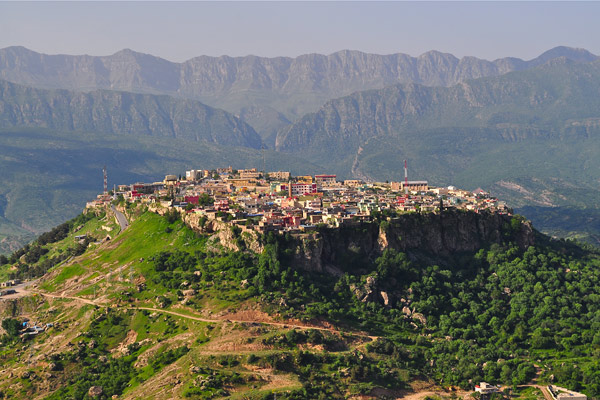
Amadiyah (also known as Amedi) is a little town perched on top of a mountain plateau at 1185 m above sea level. Though the town is nice with a mosque and some colorful houses, it's nothing spectacular... but the views are. Go to the edge in any direction and you will have amazing views over the mountains that Kurdistan is so famous for. It's just sad that some of the viewpoints are also used as rubbish dumps. The town's dramatic location is best taken in from a distance along the main road.
We don't know of any hotels in Amadiyah, but there are some in the little village below and in Sulav.
We don't know of any hotels in Amadiyah, but there are some in the little village below and in Sulav.
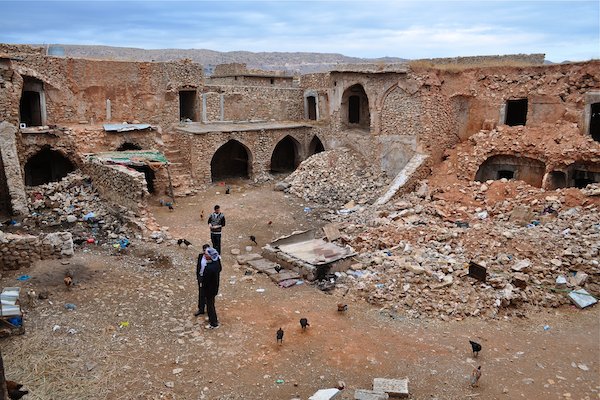
For most travellers, Koya is little more than a place to swap taxis on the "safe road" from Erbil to Suly. This is such a shame as the place has so much more to offer. From quirky hill-top picnic areas surrounding ancient Christian shrines to a central Citadel keeping watch over the city, there is enough here to rival other tours spots. A big part of the charm is wandering the narrow streets of the old city, next to the bazar. But the absolute real hidden treasure is the ancient market itself. Though not as big as Suly's or as busy as Erbil's, it is the ancient Iraq many people miss out on. With gateways dating back to the 13th century and a magnificent caravansary in its unrestored splendour somewhere in the middle, the bazar of Koya is a chance for travellers to have a bit of history in an Iraq quickly being overtaken with modernity.
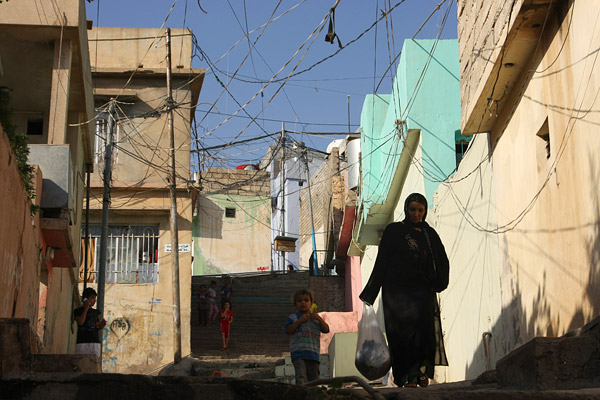
Dohuk is probably the first real Kurdish/Iraqi town (not counting the border town of Zakho) you come to when arriving from Turkey. It is a small city with a big and lively souq - and not so much more. The neighbourhoods on the hills in the east end of Kawa Rd. can be fun to wander through, getting lost in the maze of living quarters while greeting curious kids. The Money Exchange Centre on the west end of Kawa Rd. is, besides a good place to change money, another place to have a look at. Here street dealers sit at cardboard boxes stacked with big wads of money, a lot of money - a reminder that Iraq is not a budget destination.
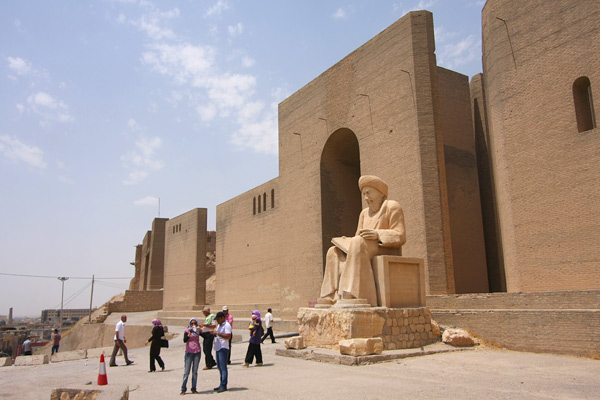
Erbil (also spelled Arbil or Irbil) is a very spread-out city. The heart of the old part is the citadel that crowns the city from a hill. The old building stretches right to the edge of the hill and all the facades facing the city have been done up, but otherwise the citadel is pretty much left in ruins. Below the citadel entrance is the newly rebuilt city square with illuminated fountains and a clock tower. To the sides you find the real Erbil in shape of the covered souq to the west and the rowdy market street of Handren St. to the east. For a different experience, head for the Christian quarter at Ainkawa, a taxi ride away - the rows of liquor stores will indicate when you are there.
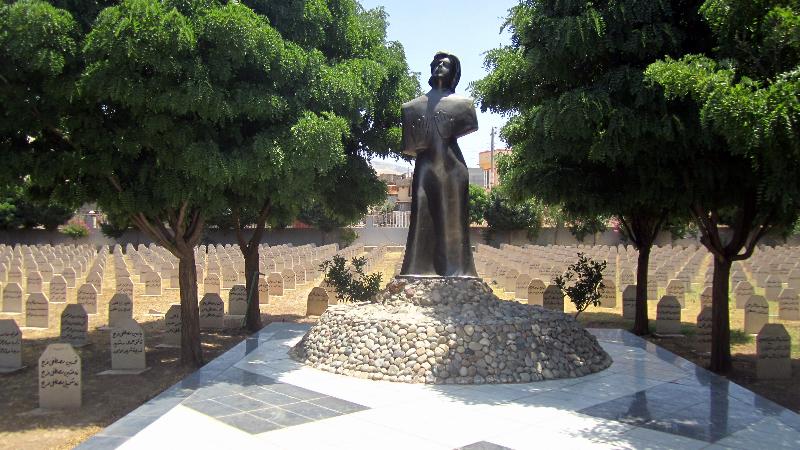
The town is famously known as the place of Saddam Hussein's 1988 chemical attack on the Kurds. At least 5,000 people died, and more than 7,000 was injured or suffered long term illnesses as a result. The town was later completely destroyed by Saddam's forces. Thus, the current city is known as Halabja Taza - New Halabja. The grim history of the Halabja Massacre has since become an integrated part of the town's identity, and the Kurdish Regional Government has made numerous sights to commemorate the attack. These include many sculptures and statues, a cemetery for the victims and a large memorial museum northwest of town. No understanding of the Iraqi Kurds' struggle is complete without a visit to Halabja.
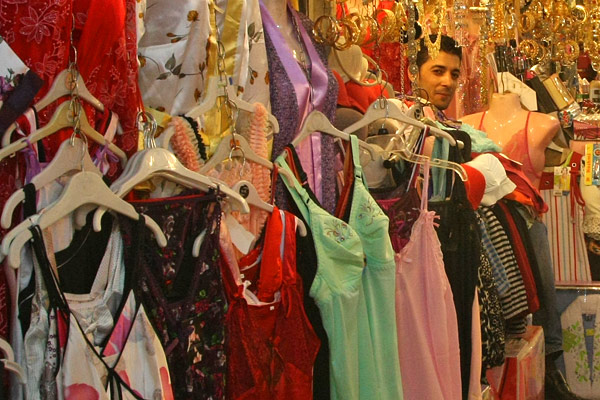
Though Erbil is the capital of Iraqi Kurdistan, Sulaymaniyah (also spelled Sulaimani) has a more modern city feel. The city center has a selection of cafes and shopping malls for the liberal minded girls and boys which the city seems so full of. The souq area in Sulaymaniyah is also more impressive than the one in Erbil with a fine covered part (nuts, shoes, clothes, lingerie, etc.) and a chaotic outdoor part (fruits, vegetables and meat). In the cooler evenings, do like the locals and drive up the hill outside town and enjoy the view over the city while the sun sets.
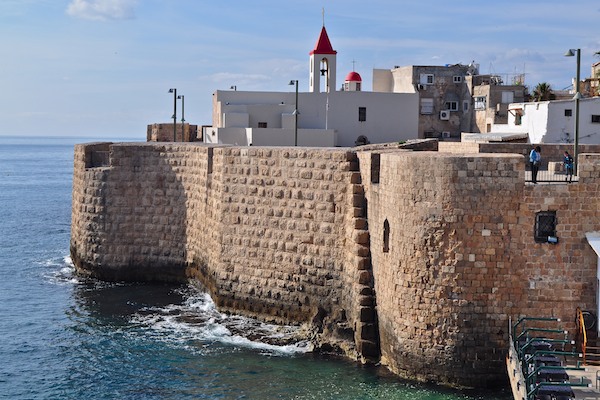
If looking for a mixture of history, religion and warfare, the fortified town of Akko (Acre) will suit all your needs. Dating back thousands of years, being a pillar of the Baha'i Faith and having nearly every major empire claiming rights to the place, Akko has been at the forefront of history since there was a history. Today, the UNESCO listed town is a pleasure to stroll around. An easy day-trip from Haifa or even Nazareth, the markets, fortifications, Khans and underground tunnels will have any visitor entertained for ages. On the outskirts of town is the temple of the most important person in the Baha'i faith. Although the gardens are not as impressive as the ones in Haifa, they still make for a lovely stroll.