

Thailand travel guide
Name: Kingdom of Thailand
Population: 66,400,000
Capital: Bangkok
Currency: Baht
Population: 66,400,000
Capital: Bangkok
Currency: Baht
Thailand
Angkor temple at Prasat Muang Tam 
8 km from Phanom Rung Historical Park
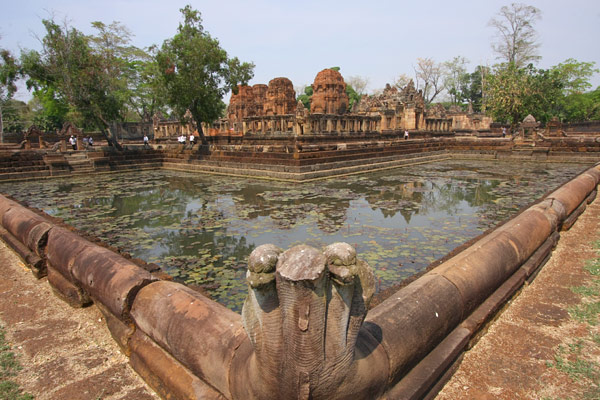
Not far from the Phanom Rung temple lies another Angkor temple, Prasar Muang Tam, in the middle of a village. When you think you have seen all Angkor temple combinations, you will again be surprised by Prasat Muang Tam. After passing through the wall, you will encounter four giant pools filled with lotuses surrounding the inner complex where four red towers rise - originally, there were five towers but the center piece has collapsed. The temple is dedicated to the Hindu god of Shiva and due to reliefs and style of the nagas (the mythological serpent that snakes around the pools) it is belived that Muang Tam was built in the 11th century. If you have already been to Angkor Wat, you will realise that the ground plan is the same. Prasat Muang Tam is a very serene site and not many visitors come here so it is easy to get the place for yourself.
Thailand
Angkor temples at Phanom Rung
Phanom Rung Historical Park
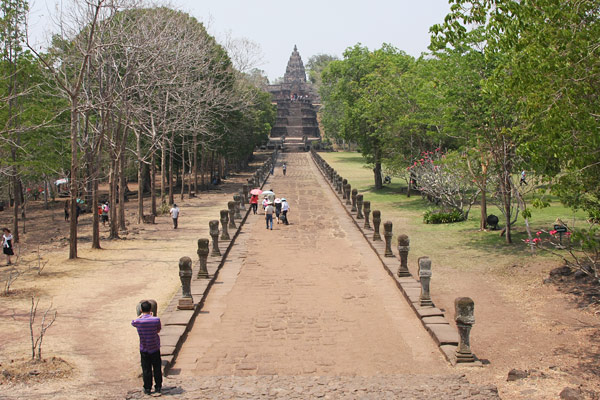
This is probably the best Angkor temple in Thailand. It is located on the top of an extinct volcano, was probably built during the 11th century, and has taken the Thais 17 years to restore. It is a beautiful complex consisting of a long naga-stairway leading up to a walled temple containing all the usual Angkor designs like towers, pavilions, pools and reliefs, that only make sense if you know your Hindu/Buddhist mythology. Luckily - and contrary to Angkor temples in Cambodia - the Thai have made an effort to put up discrete signs giving you a chance to understand the carvings. It is very groomed site with a manicured garden (unusual for Angkor temples in Cambodia), so just on that account Phanom Rung is a different Angkor ruin.
Thailand
Ayuthaya
Old capital of ancient Thailand
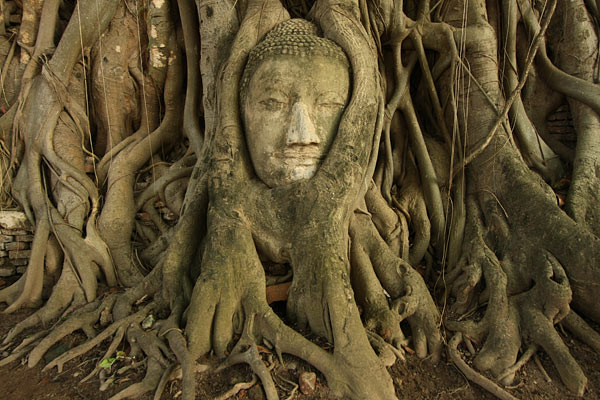
Ayuthaya was the crown jewel and powerhouse of ancient Southeast Asia. It was the majestic capital of Siam (name of ancient Thailand) and a major trading centre for the whole Asian region. Its size and splendour were unmatched at the time. Unfortunately, this made the neighbouring Burmese envious, so in 1767 they raided the city, smashed it to pieces and burned the rest. This means of course that today the only surviving structures from the glory days are the ones that were made of bricks, like monasteries and towers. But there are still heaps to see and it is still darn splendid. And all this is just a tranquil day trip from buzzing Bangkok.
Thailand
Caving in Tham Lod Cave
Village of Pang Mapha
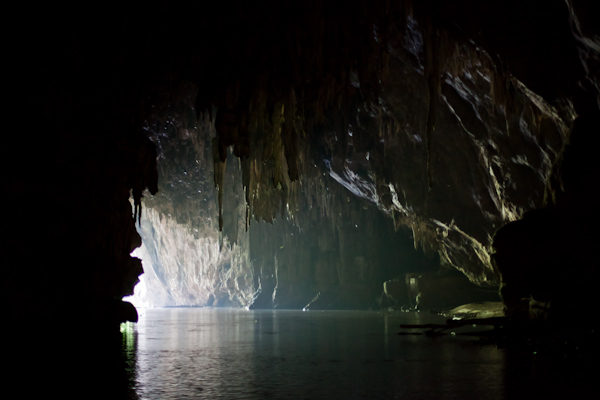
If you ever the had urge to go Indiana Jones style, then a visit to the Lod Cave in Thailand's North is for you. The cave system, which holds archeological significance, is locally known as Ban Tham Lod and located on the outskirts of a village called Pang Mapha, around 130 km north of Chiang Mai. Remains from primitive humans dating back 20,000 years, ancient cave paintings from 2 to 3,000 years ago and long wooden coffins have all been found within this massive cave system. A trip through the cave will take anything from 90 minutes to 3 hours, depending on how long you stand in awe at the amazing formations that have been created over the eons. As you pass through the massive caverns with a single oil lantern wielded by your local guide, you can't help but think of what these caverns have seen and of how time has forgotten them. If you plan on visiting the Lod Cave, make sure you pay the extra money to take the raft through the entire cave, you won't be disappointed. It may also be a great idea to bring a rain poncho or umbrella - the bats haven't been toilet-trained yet!
Thailand
Chiaw Lan Lake
East part of Khao Sok National Park
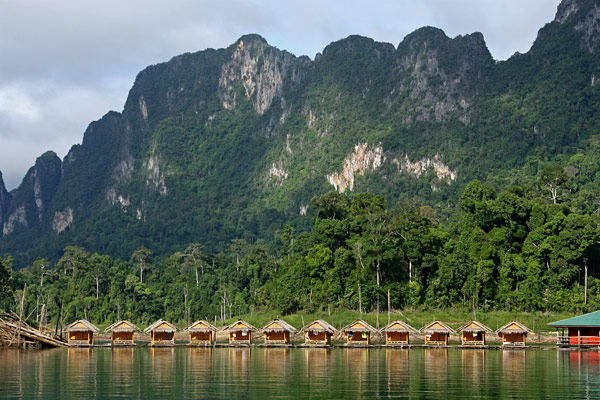
Chiaw Lan Lake was artificially created in 1982, when they built the Ratchaprapha dam. While it is never nice to flood a national park, the result seems rather genius. Steep, vertical limestone outcrops are now rising high out of the green, warm freshwater. Some outcrops reach more than 950 m straight up into the sky. The best way to take in all this beauty is to stay at some of the cool raft guesthouses made of floating bamboo poles tied together, and go exploring early in morning in a kayak. Though most people come here on a tour, it is easy to get here by yourself and then you can choose which area of the lake, you want to stay at.
Thailand
Full Moon Party
Haad Rin Beach, Ko Pha Ngan
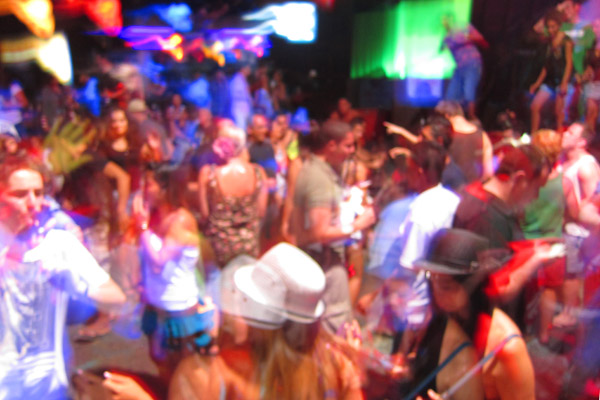
The ever popular techno rave held at, yes full moon, on Ko Pha Ngan has become a must-do on the backpacker trail. Suddenly, backpackers are planning according to the moon phase and hardcore partygoers are happy to travel across the globe for the biggest events around new year. But don't get too stressed about the timing, for the Half Moon Parties are equally big and crazy and the Black Moon Parties are not too bad either. So no matter what moon fraction it is, there will always be a party, and we don't necessarily think the biggest parties are the best ones. Nowadays, there are even pool parties... you know, just to make it a bit more fun.
Thailand
Gemstone Market
Chanthaburi
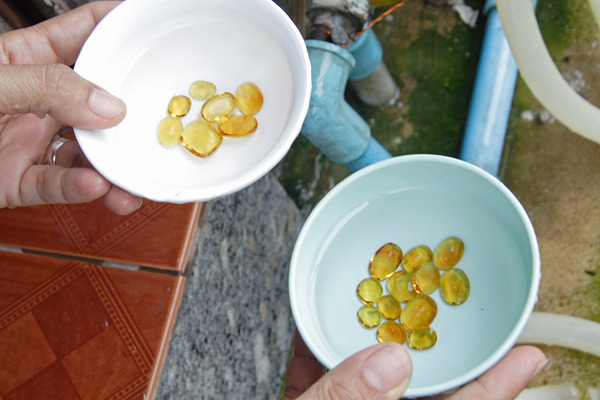
Chanthaburi city is a strange place. What looks like an ordinary Thai city is the capital for Asia's rubies and sapphires trade. The gemstone district is packed with gem dealers where stones get processed, graded, cut and polished. You can even buy your own little gemstone dealer kit with scale and loupe. From Friday to Sunday, gem sellers come in to the big public gemstone market where buyers are waiting. It is not a place for amateurs for the trade is full of dodgy characters with worthless coloured stones. So don't get tempted to make your life's worst investment.
Thailand
Hill country
Pai
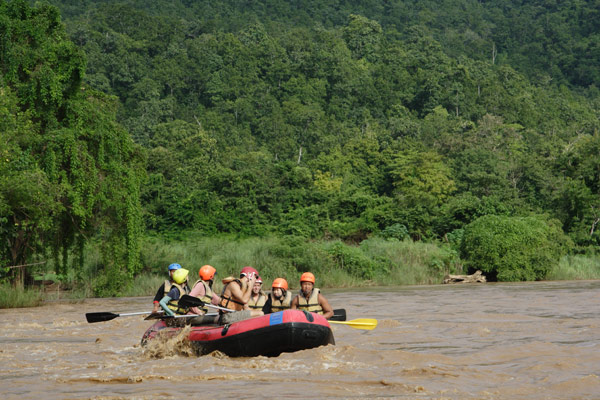
Adorable little Pai up in the mountains are the hill country's answer to Railay Beach in Krabi. The formula is equal shares of amazing jungle scenery, adventures like river rafting, elephant riding and jungle trekking, and a laid back vibe with the usual blend of big Thai smiles and Bob M. The winding roads are best appreciated on a motorbike. Rent one in Chiang Mai and do the northwest loop, going through Mae Hong Son. The view shifts from rice paddies to lush jungle leaning over the road, and there are so many good sidetrips along the way (waterfalls, hot springs and hill tribe villagers) that you shouldn't count on doing too many kilometres every day. Local tourists have finally found Pai, so it's best visited off season from April to October.
Thailand
Hill tribe villages
Mae Hong Son
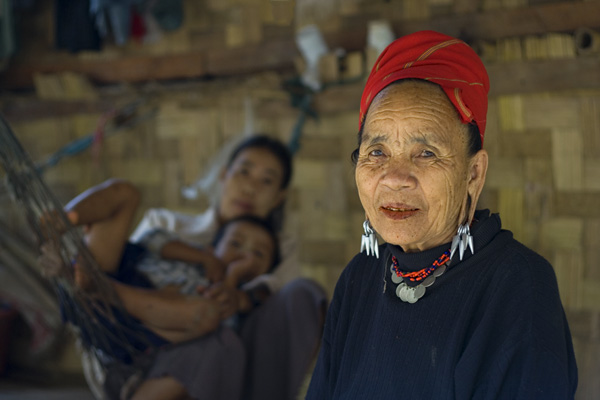
Mae Hong Son is a charming hill town nestled in a valley close to the border of Myanmar (Burma). Surrounded by mountains and misty forests, it is a great base for trips into the tribe villages. Some of these places are actually refugee camps for fleeing tribes from Eastern Myanmar, like the famous Padaung tribe known as "long necks" and another Karen tribe called "long ears". Some have called these camps "human zoos" and it is not hard to figure out why: entry fees, souvenir shops and swarms of tourists. But you can get your mind around the fact that the people are super friendly, easy going, and the tourist income actually gives them a better living than back in Myanmar. So if you choose to go, consider it more as an opportunity to get some insight on the Burma issue instead of pretending it is a visit to a happy-dappy tribe village.
Thailand
Khao San Road
Banglamphu, Bangkok
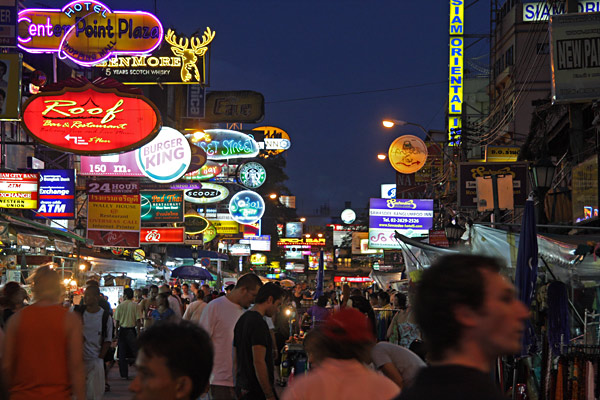
Khao San Road is not a place, it is an experience. Previously just a street with dirt cheap hotels to crash while passing through, it has now morphed itself into something more. A 24/7 backpacker-haven covering not just the original street but the whole neighbourhood, offering anything from visas, beers and Indian tailors over fire-dancing equipment, tattoos, and fake designer clothes to Starbucks, teeth bleaching, and cocktail sipping. It is now such a popular party zone that it even attracts the trendy Thai youth. But the toothless old fellow with the hammocks is still walking around. This place is unique.