
Iraqi Kurdistan travel guide
1 2
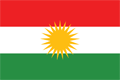
Name: Iraqi Kurdistan
Population: 4,864,000
Capital: Erbil
Currency: Iraqi dinar
Population: 4,864,000
Capital: Erbil
Currency: Iraqi dinar
Iraqi Kurdistan
Akre 
Kurdistan
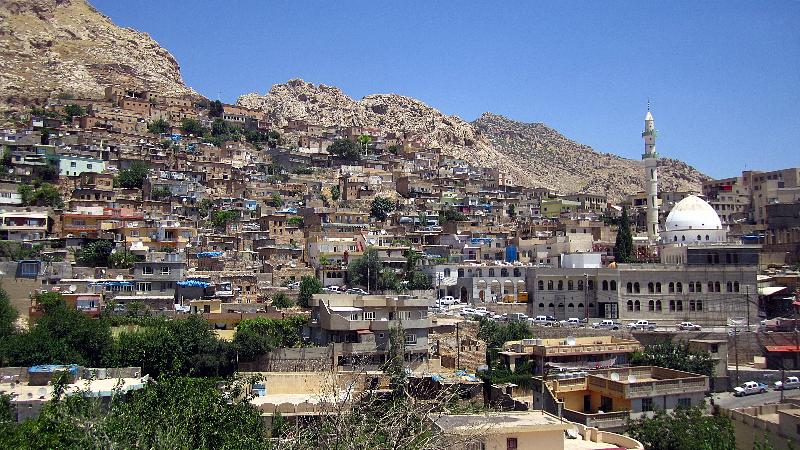
With its houses and alleys climbing the mountain side, Akre (or Aqrah) is a picturesque town halfway between Erbil and Dohuk, making it a good way to break a journey between the two. The old town's market is literally on the mountainside, providing a new "market experience" if the similarity of Kurdistan's normal markets are becoming too monotonous. The town used to be a home to both Christian and Jewish minorities, and there are still reminiscences of this hidden in the town, including a beautiful church. Above the town, on the mountain, Zarvia Dji provides splendid views over the town from an old monastery. After exploring the steep lanes of the old town make sure to ask for directions to the town's waterfall where it is sometimes possible to have a dip. Akre is also famous for its Newroz celebrations on March 21st, where bonfires light up the mountain side.
Iraqi Kurdistan
Amadiyah town
Kurdistan
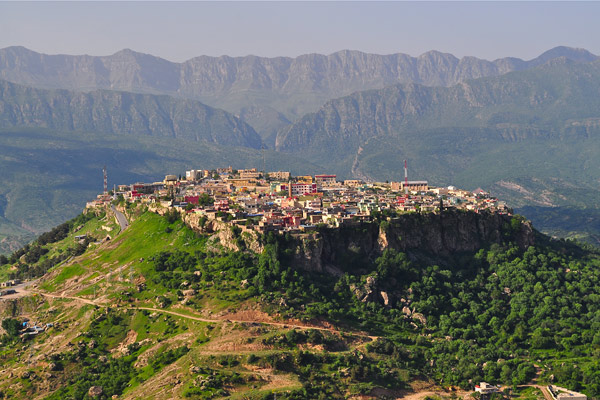
Amadiyah (also known as Amedi) is a little town perched on top of a mountain plateau at 1185 m above sea level. Though the town is nice with a mosque and some colorful houses, it's nothing spectacular... but the views are. Go to the edge in any direction and you will have amazing views over the mountains that Kurdistan is so famous for. It's just sad that some of the viewpoints are also used as rubbish dumps. The town's dramatic location is best taken in from a distance along the main road.
We don't know of any hotels in Amadiyah, but there are some in the little village below and in Sulav.
We don't know of any hotels in Amadiyah, but there are some in the little village below and in Sulav.
Iraqi Kurdistan
Ancient market
Koya
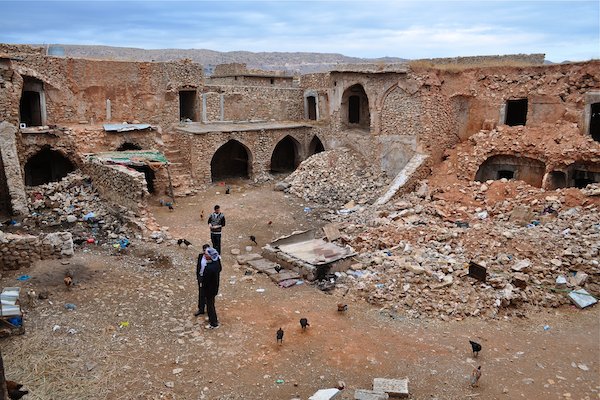
For most travellers, Koya is little more than a place to swap taxis on the "safe road" from Erbil to Suly. This is such a shame as the place has so much more to offer. From quirky hill-top picnic areas surrounding ancient Christian shrines to a central Citadel keeping watch over the city, there is enough here to rival other tours spots. A big part of the charm is wandering the narrow streets of the old city, next to the bazar. But the absolute real hidden treasure is the ancient market itself. Though not as big as Suly's or as busy as Erbil's, it is the ancient Iraq many people miss out on. With gateways dating back to the 13th century and a magnificent caravansary in its unrestored splendour somewhere in the middle, the bazar of Koya is a chance for travellers to have a bit of history in an Iraq quickly being overtaken with modernity.
Iraqi Kurdistan
Dohuk
Kurdistan
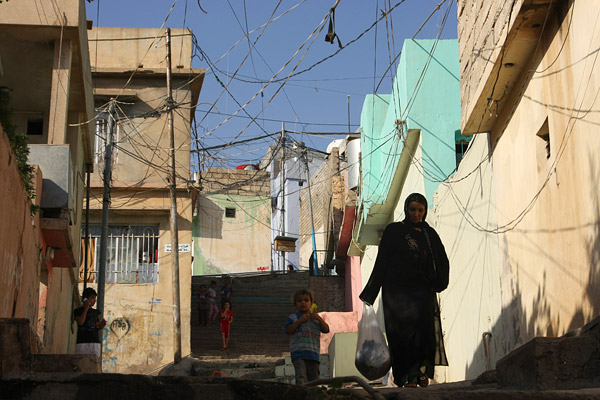
Dohuk is probably the first real Kurdish/Iraqi town (not counting the border town of Zakho) you come to when arriving from Turkey. It is a small city with a big and lively souq - and not so much more. The neighbourhoods on the hills in the east end of Kawa Rd. can be fun to wander through, getting lost in the maze of living quarters while greeting curious kids. The Money Exchange Centre on the west end of Kawa Rd. is, besides a good place to change money, another place to have a look at. Here street dealers sit at cardboard boxes stacked with big wads of money, a lot of money - a reminder that Iraq is not a budget destination.
Iraqi Kurdistan
Erbil
Capital of Iraqi Kurdistan
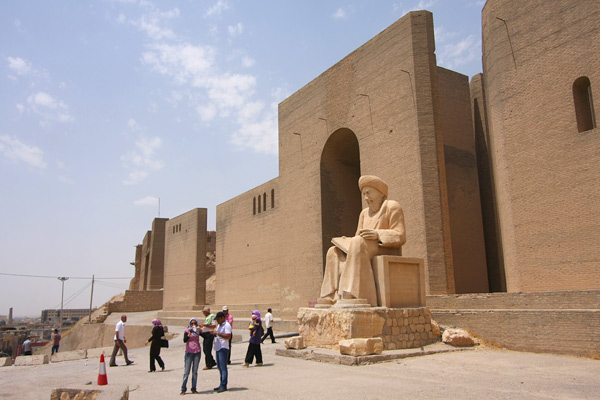
Erbil (also spelled Arbil or Irbil) is a very spread-out city. The heart of the old part is the citadel that crowns the city from a hill. The old building stretches right to the edge of the hill and all the facades facing the city have been done up, but otherwise the citadel is pretty much left in ruins. Below the citadel entrance is the newly rebuilt city square with illuminated fountains and a clock tower. To the sides you find the real Erbil in shape of the covered souq to the west and the rowdy market street of Handren St. to the east. For a different experience, head for the Christian quarter at Ainkawa, a taxi ride away - the rows of liquor stores will indicate when you are there.
Iraqi Kurdistan
Halabja
Kurdistan
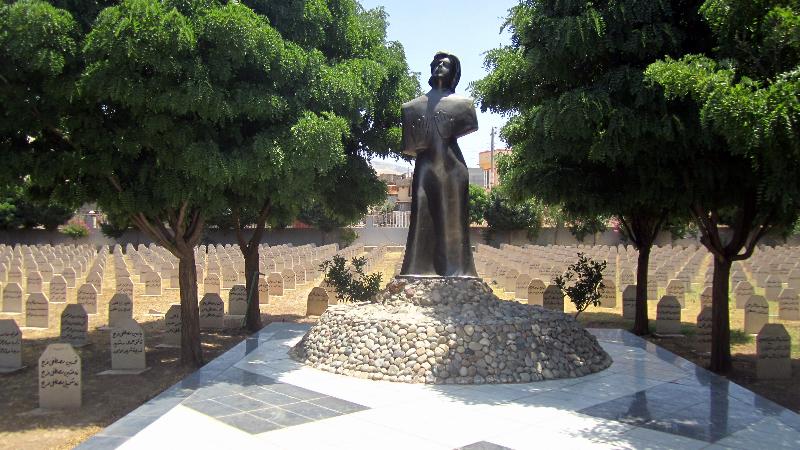
The town is famously known as the place of Saddam Hussein's 1988 chemical attack on the Kurds. At least 5,000 people died, and more than 7,000 was injured or suffered long term illnesses as a result. The town was later completely destroyed by Saddam's forces. Thus, the current city is known as Halabja Taza - New Halabja. The grim history of the Halabja Massacre has since become an integrated part of the town's identity, and the Kurdish Regional Government has made numerous sights to commemorate the attack. These include many sculptures and statues, a cemetery for the victims and a large memorial museum northwest of town. No understanding of the Iraqi Kurds' struggle is complete without a visit to Halabja.
Iraqi Kurdistan
Hamilton Road
Near Rawanduz
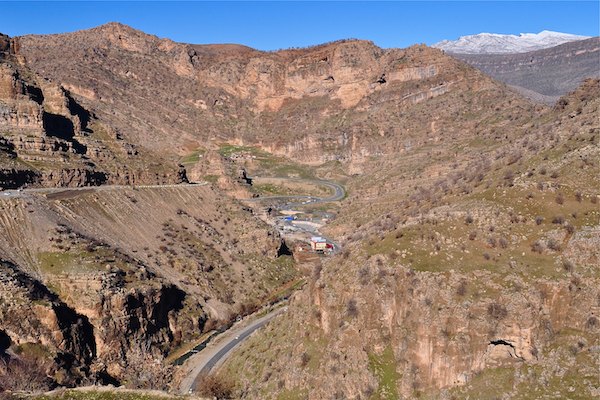
In an effort to make travel easier in the Kurdistan region in early 20th century, the local government wanted a road built. The problem is, the area stretching from the regional capital of Erbil north to the Iranian border is rather remote and very mountainous. The locals simply did not have the expertise to take on such a project themselves. Enter New Zealander A. M. Hamilton. While the techniques and statistics associated with the road (built between 1928 and 1932) are somewhat interesting, it is instead the setting of the road that is of interest to modern day travellers. To use words like spectacular or breathtaking simply do not do it justice. Carving its way through valleys and ravines with the backdrop of waterfalls and snowcapped mountains, the road (known as the Hamilton Road) is without question the most beautiful journey, not only in Iraq, but in the entire region.
Iraqi Kurdistan
Red Security Prison
Sulaymaniyah
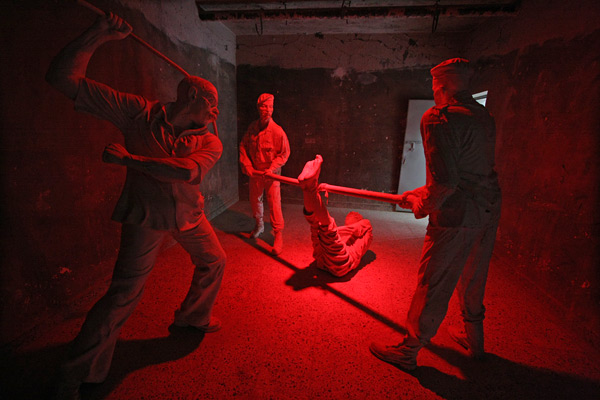
Amne Suraka (meaning "Red Security") served as the northern headquarters of the Iraqi Intelligence Service during Saddam Hussain's reign. Here thousands of Kurds were imprisoned, tortured and eventually killed by Saddam's special forces. In 1991 Kurdish fighters won control over the area and today the prison serves as a museum and memorial. The buildings are still riddled with bullet holes and the courtyard is lined with tanks and other war relics. Inside you can see prison cells where enemies of Saddam's regime were kept. Some of the rooms have a macabre mannequin setup showing how the torture was carried out. There are even mannequins of some of the most famous Kurdish rebels that were tortured here - most of them were later transported to Baghdad and hanged.
Iraqi Kurdistan
Religious pilgrimage
Lalish village
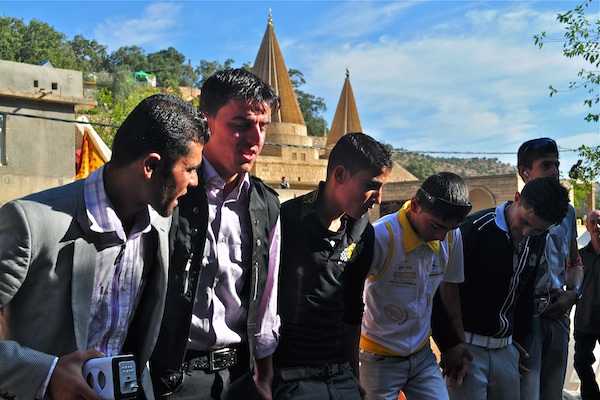
The Yazidi are followers of a little known faith with ties to Islam, Christianity, Zoroastrianism and Paganism. For the 500,000 or so practitioners, the village of Lalish is their holy land. With a number of shrines, including the tomb of the religion's founder, Lalish makes for an interesting trip when in Iraqi Kurdistan. The people are friendly and inviting, completely open to outsiders visiting their holy village. There is no public transport to the town or tourist facilities in the area, so it can only be visited as a day trip. But the combination of the mystical, the unknown and the unique make it worth the effort.
Iraqi Kurdistan
Sulav water world
Kurdistan
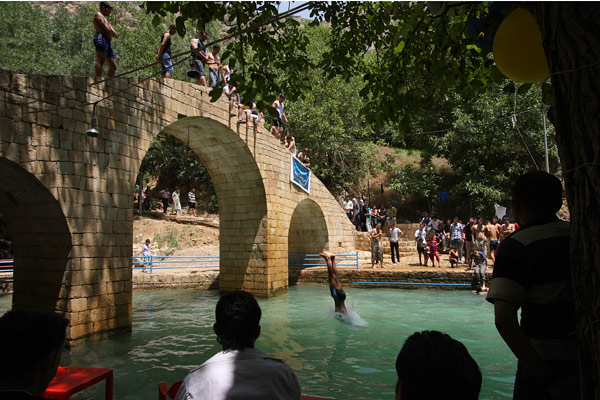
In a bend on the winding road from Dohuk to Amedi lies this - hmmm, how to put it - recreational area that is so loved by Iraqis. Along a water stream are cafes after cafes, some with tables right in the water so the water pipe smoking clientele can cool off in the fierce summer heat. The area becomes packed on holidays where every inch of the "river" bank is occupied by picnicking families. Kids are armed with water pistols from the many tacky side stalls, while macho men jump into the communal swimming pool from the bridge high above. It is an interesting mayhem and a fun experience to see Iraqis enjoying themselves on a big day out.
There is at least one hotel in Sulav.
There is at least one hotel in Sulav.
1 2