

Madagascar travel guide
1 2
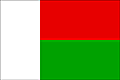
Name: Madagascar
Population: 9,625,000
Capital: Antananarivo
Currency: Ariary
Population: 9,625,000
Capital: Antananarivo
Currency: Ariary
Madagascar
Andringitra National Park 
Southern Madagascar
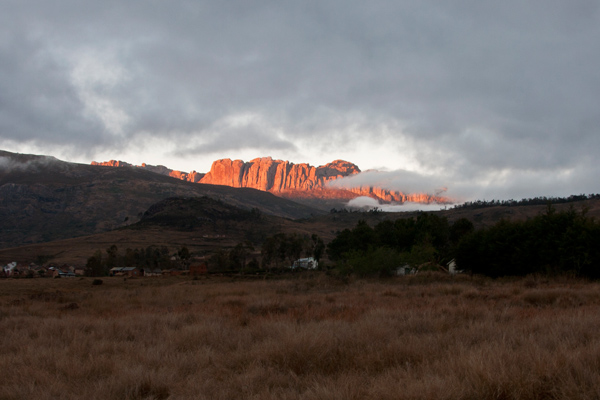
For national parks in Madagascar, this one is a little bit different. Where in most parks people first come for watching typical Malagasy animals and endemic fauna, in Andringitra it is all about hiking and beautiful scenery. It takes a while to reach the national park because the road is rough and you need a 4x4 to get there. Whether you opt for a day hike or go on a longer trek with the ascent of Madagascar's highest climbable mountain: Pic d'Imarivolanitra (formerly known as Pic Bobby), you will be able to enjoy some beautiful and diverse landscapes. In the lower regions, where there are still villages, you have the red earth and rice fields, but in the higher regions, the scenery starts to look more like a moonscape.
Madagascar
Ankarana Special Reserve
Northern Madagascar
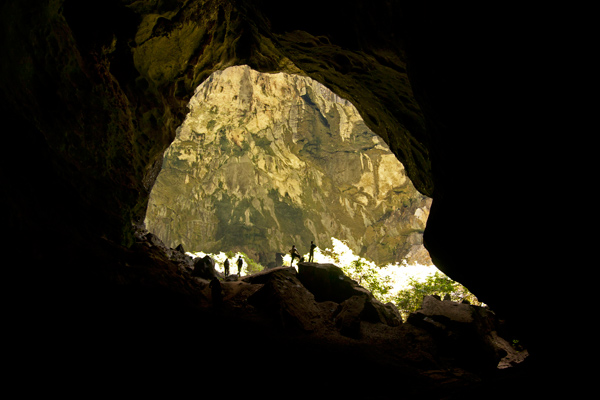
If there is one national park you should not miss in Madagascar it's Ankarana. Since the North of the country doesn't get a lot of tourism (except for Nosy Be, that is) you won't encounter any large crowd here.
In Ankarana, you get a bit of everything. The national park is mainly known for its extensive caves and its tsingy. There are great and small caves, filled with bats and creepy creatures or with beautiful stalactites. By exploring the caves, you can end up in narrow canyons where the only way in is through the caves.
The tsingy is a kind of stony forest. The limestone rocks have been eroded into a vast area with spikes as sharp as needles. There are trails going over and through them. Just don't fall on them if you don't want to be a human strainer.
Then, as pretty much everywhere in Madagascar, there are plenty of typical plants and animals. Easiest seen are the crowned lemur and the Northern Sportive Lemur, a nocturnal species that your guide will easily spot in holes in tree trunks. Also lots of different kinds of geckos can easily be seen.
In Ankarana, you get a bit of everything. The national park is mainly known for its extensive caves and its tsingy. There are great and small caves, filled with bats and creepy creatures or with beautiful stalactites. By exploring the caves, you can end up in narrow canyons where the only way in is through the caves.
The tsingy is a kind of stony forest. The limestone rocks have been eroded into a vast area with spikes as sharp as needles. There are trails going over and through them. Just don't fall on them if you don't want to be a human strainer.
Then, as pretty much everywhere in Madagascar, there are plenty of typical plants and animals. Easiest seen are the crowned lemur and the Northern Sportive Lemur, a nocturnal species that your guide will easily spot in holes in tree trunks. Also lots of different kinds of geckos can easily be seen.
Madagascar
Chameleons
All over the country
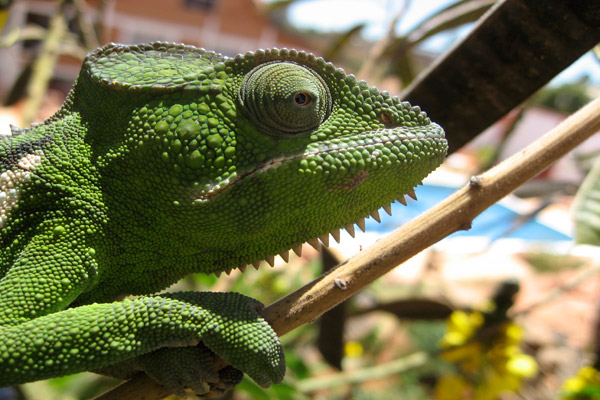
Although they are not unique to Madagascar, you can spot these beautiful but a bit odd creatures all over the country. In Madagascar alone, there are over half of the world's 150 or so species. They are relatively easily spotted and since they move very slowly you can approach them well. Contrary to general belief, chameleons don't just change their colour for camouflage but rather to show emotion, for example when they are angry or when they are trying to pick up a partner. Other typical skills of chameleons are that they can move each eye separately and that they have a tongue that can shoot out crazily fast to catch insects.
Madagascar
Diego Suarez
Northern Madagascar
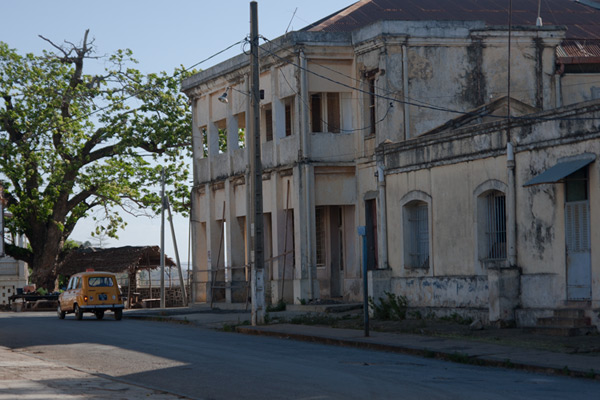
Antsirananna is more commonly known by its colonial name Diego Suarez. It is the largest town of Northern Madagascar and lays at the second largest bay of the world (after Rio de Janeiro). Diego feels a bit deserted when you look at the decayed and empty colonial buildings, but it is a friendly and chilled town and a good place to spend one or two days before heading to the nearby national parks. It is easy to see that it used to be quite a flourishing place but, due to some bad cyclones, several of the colonial buildings are pretty much destroyed and there seems to be a lack of money to fix them.
The area is very pretty with the bay, surrounding mountains and even a "sugar loaf" mountain in the bay. Also adding to the charm are the yellow Renault 4 taxis all over town.
Interesting to know is that his harbour town played a very important role in history and especially during WWII when several battles were fought here between France and Britain.
The area is very pretty with the bay, surrounding mountains and even a "sugar loaf" mountain in the bay. Also adding to the charm are the yellow Renault 4 taxis all over town.
Interesting to know is that his harbour town played a very important role in history and especially during WWII when several battles were fought here between France and Britain.
Madagascar
Isalo National Park
Southern Madagascar
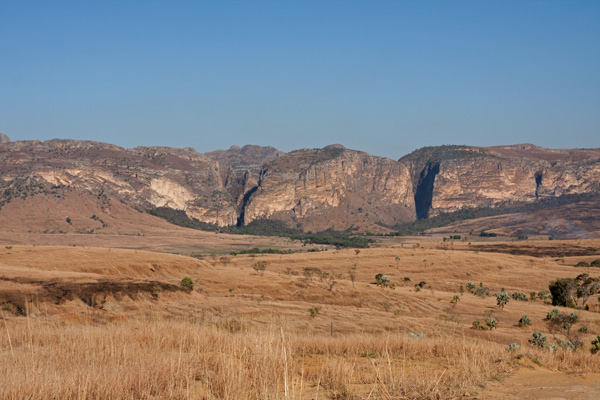
This national park is on everyone's itinerary when travelling down the Route Nationale 7 - the classic route in Madagascar. Out of the plains of Western Madagascar rises the Isalo massif. This arid plateau of mainly sandstone formations is home to several unique plants such as the Pachypodium. There are many deep canyons where you can find oases that bring with them a lush vegetation and pools with or without waterfalls that are great for swimming, especially after hiking in the hot climate. You can do day hikes of all lengths or explore Isalo more in depth on a longer camping trip. In and around some of the forests at the canyons there are also several species of lemurs such as ring tailed lemur, Verreaux's Sifaka and the Red-fronted Lemur.
Madagascar
Lemurs in Anja Park
Southern Madagascar
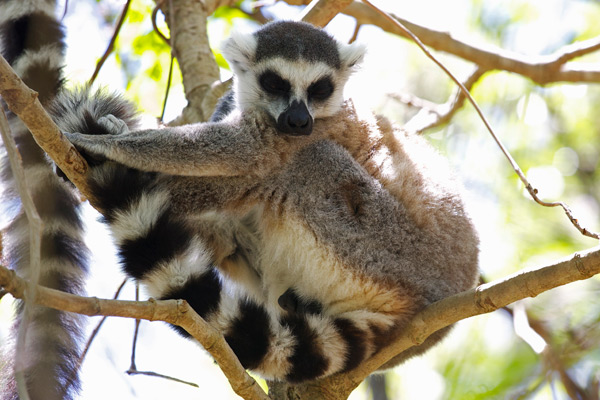
Sometimes it can be difficult to see lemurs up close since they of course are 'wild' animals and most species tend to live high up in the trees. At Anja park, a small park close to Ambalavao, some families of ring tailed lemurs have been living around a local village for a long time. A fady (Madagascar taboo, which can be any kind of local rule) forbidding them to be hunted has protected them here and the villagers have now turned the area into a local visitor park protecting the animals even more and creating a good income for the village. Since the lemurs live close to the people in this forest, they are used to you roaming around and taking photos. It is a great chance to observe them for a longer time, eating and lounging in the trees and if your are lucky, sunbathing on the ground.
Madagascar
Masoala National Park
Northeastern Madagascar
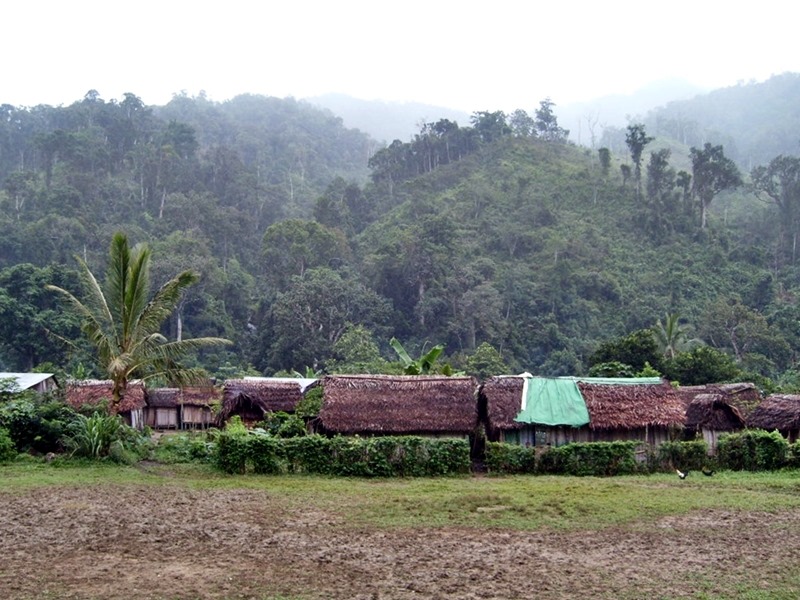
Madagascar's largest and probably most inaccessible national park combines 2,300 square kilometres of rainforest with three marine parks off the coast, all part of a larger UNESCO World Heritage site. Getting access to the park includes a flight to Maroantsetra where the main park office, that organises guides and porters, is located. Getting there over land requires an adventures two-or-three-day journey from Antananarivo. Visitors who make it are rewarded with pristine rainforest and an abundance of wildlife, mostly undisturbed by human activities. Motorised vehicles are banned in the park, which have no roads, limiting any travel to treks, bicycling or boating around the peninsula. Travelling along Madagascar's east coasts requires a five-day trek between Maroantsetra and Antalaha. The shortest treks are three days long, with the longest being a few weeks, sleeping in basic conditions in villages or tents throughout the park.
Madagascar
Montagne d'Ambre National Park
Northern Madagascar
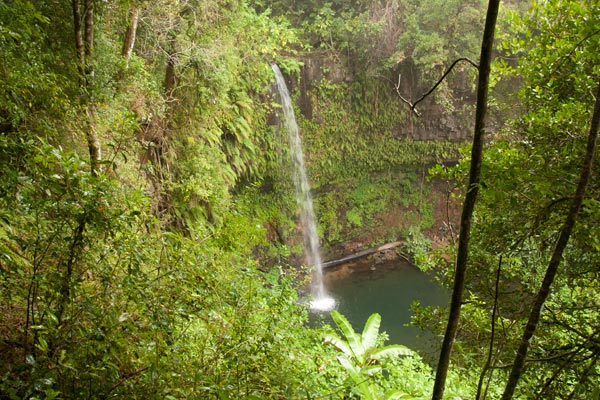
Only about 40 kilometres from Antsiranana (Diego Suarez), this national park makes a good day trip and also a good place to cool down from the heat of the city. At "Amber mountain", there is a microclimate with temperatures quite a bit lower and a high chance of rain, especially in the afternoon. There are several easy trails to beautiful waterfalls. The dense tropical (rain)forest harbours several species of lemurs. It is mandatory to have a guide as in all parks in Madagascar, which is a good thing because they are experts at finding the animals for you, which you probably wouldn't be able to do on your own. If you get a guide who drives with you to the park you'll probably be able to spot several chameleons on the way there.
Madagascar
Perinet National Park
Andasibe
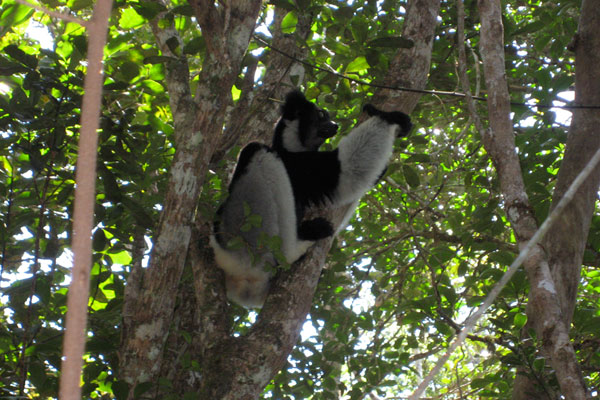
The National park of Perinet, also called Andasibe Mantadia, is only a few hours away from the capital Antananarivo. It's a pocket of rainforest where the indri still lives. The indri is the largest species of lemur still existing. All larger lemurs have been extinct.
The indri (called Babako by the locals) spends most of its time in the treetops and jumps from tree to tree. The animal produces a very high-pitched sound that reaches for miles and is sure to wake you up in the morning if you sleep close to the park.
Apart from the indri and some other types of lemurs, you can also see crazy insects, chameleons, orchids and many plants.
The indri (called Babako by the locals) spends most of its time in the treetops and jumps from tree to tree. The animal produces a very high-pitched sound that reaches for miles and is sure to wake you up in the morning if you sleep close to the park.
Apart from the indri and some other types of lemurs, you can also see crazy insects, chameleons, orchids and many plants.
Madagascar
Pousse Pousse
Antsirabe
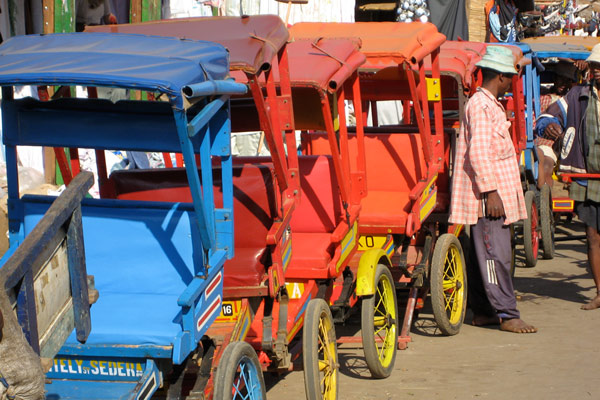
Antsirabe is a pleasant small city on the "high plateau" in the center of Madagascar. As in all towns there is a market, school, hospital and some tourist facilities. In the area are some small lakes that make nice excursions.
What makes Antsirabe special, however, is that it is the only city in Madagascar where the Pousse Pousse is still one of the main means of transportation. The Pousse Pousse is a passenger cart pulled by a person. The name (in English it means Push Push) comes from the time when it was still used in the hilly capital where an extra person was needed in order to push the cart up the hills.
What makes Antsirabe special, however, is that it is the only city in Madagascar where the Pousse Pousse is still one of the main means of transportation. The Pousse Pousse is a passenger cart pulled by a person. The name (in English it means Push Push) comes from the time when it was still used in the hilly capital where an extra person was needed in order to push the cart up the hills.
1 2