

United Kingdom travel guide

Name: United Kingdom of Great Britain and Northern Ireland
Population: 62,262,000
Capital: London
Currency: Pound sterling
Population: 62,262,000
Capital: London
Currency: Pound sterling
United Kingdom
Aberdeen 
Scotland
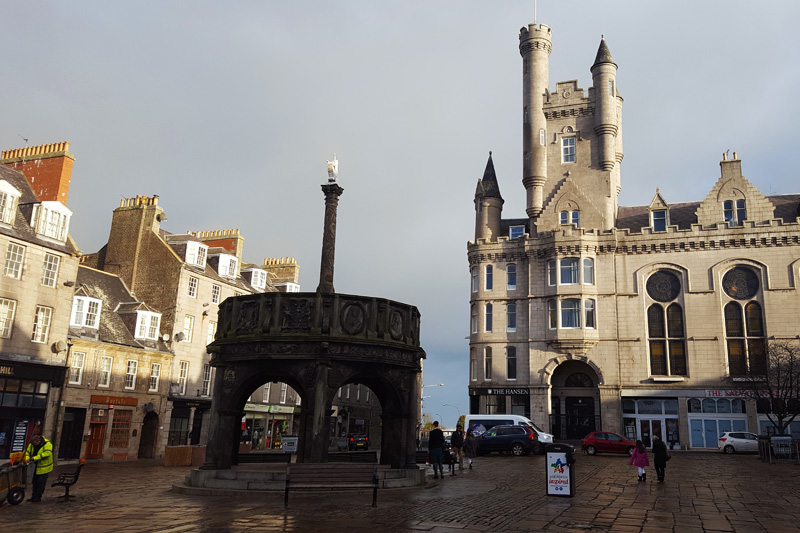
Aberdeen is known as the City of Granite. It's a working class city with a bustling harbour. The oil rigs offshore is still the reason why many people come here, but Aberdeen has also a thriving student population, who bring life to town in the weekends. There are of course plenty of fine granite houses like Tolbooth near Castlegate (picture), but the smaller streets of Union Street are equal nice to explore. For something less grey, head east to the Beach Esplanade and the old fishing village of Aberdeen Footdee. Here you find (more) charming granite cottages and wicked colourfull sheds decorated with seafaring relics.
United Kingdom
Aberdeen Footdee (Fittie)
Aberdeen, Scotland
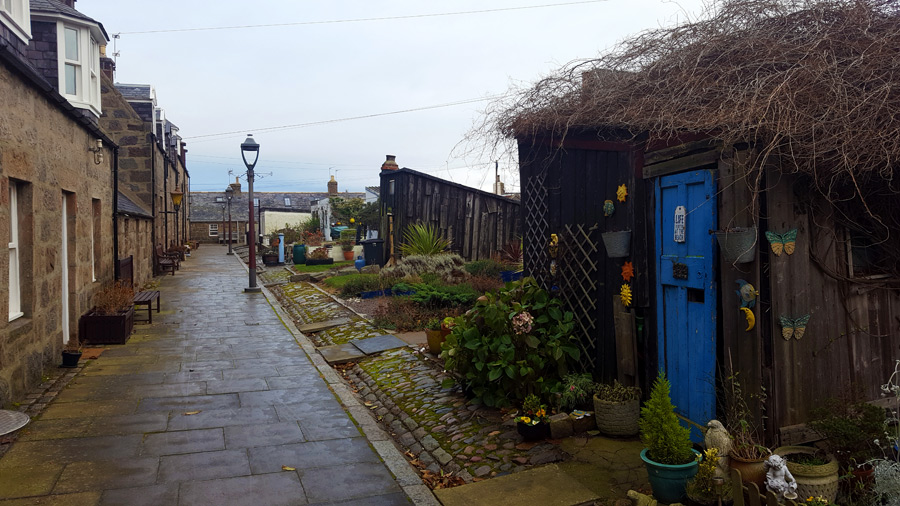
The old fishing village at the eastern end of Aberdeen harbour is a true charmer. Fine old granite cottages and townhouses cluster around three small squares, which are split into garden allotments, and there is even a church too. The characters of the residents are reflected in the decoration of their gardens and sheds. Some are just ramshackle huts, but most are imaginative and adorned with maritime memorabilia - but you can find garden gnomes, Buddha statues, kissing benches and even alpine skis too. The first row of houses lie so close to the sea, that they get wash in stormy weather. The neighbourhood was original built during the early 19th-centuries as a housing project for Aberdeen's fishing community, but today it's home to a more diverse crowd from old folks to artists and rich, who need to park their Jaguar or Porsche in the alley.
United Kingdom
Bath
Somerset, England
© Fingal Ross
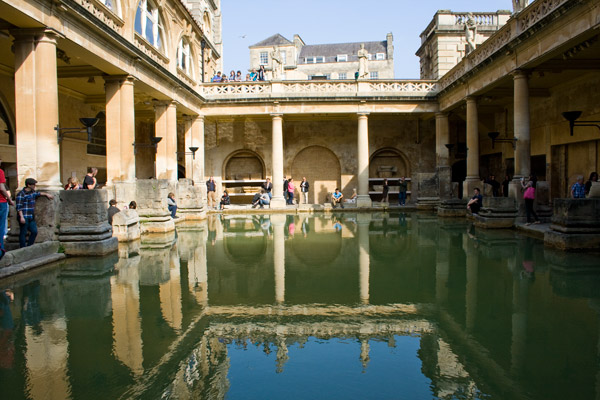
Bath was first established by the Romans as a spa, built around hot springs, and is a UNESCO World Heritage Site. The Roman Baths are the major draw card of this large town, you will pay a bit to get in, however it is well worth it. Most locals come to Bath to shop, but for the traveller, there are numerous other things to see that are not too costly: Bath Abbey, Pulteney Bridge, The Royal Crescent, The Circus, The Pump Room and for all of you whose heart skips a beat for Mr Darcy, there is the Jane Austen Centre complete with costumes to try on. If you have a few hours and aching muscles, then find your way to the Thermae Spa, where you can soak in the naturally hot spring waters of the town. If you are lucky enough to be there on a Saturday, there are markets and buskers on Stall street, otherwise marvel at the Edwardian architecture and appreciate the wonders of the Roman Empire.
United Kingdom
Belfast
Capital of Northern Ireland
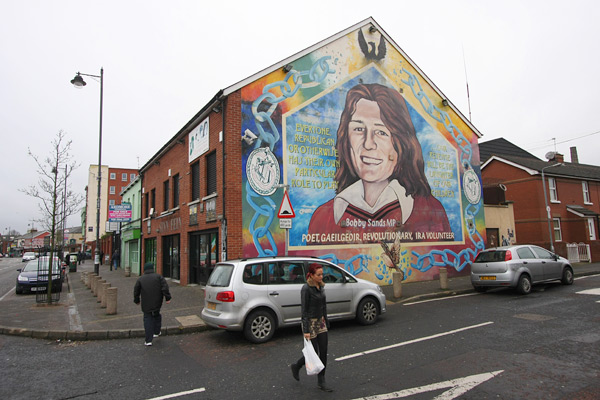
Belfast makes up for its lack of major sights in form of character and rich recent history. It is infamous for the unrest in the 1970's and 1980's when terrorizing factions of loyalist Protestants and republican Catholics turned Belfast into a war zone. To separate the two parties, West Belfast was then split like another Berlin with a peace line formed by tall fences and barbwire, which still stands today. Political and memorial murals have sprung up in neighbourhoods on both side of the peace line. The republican murals tend to be more political, while the loyalists' can be quite militaristic. Though a mural-tour is a fascinating history lesson, there is more to Belfast than post-war sightseeing. It has its fair share of gorgeous buildings like city hall and Queens University - and then you can't go to Belfast without being reminded of the fact that the Titanic was built here. We know, civil war and a sunken boat might not sound very impressive, but Belfast has edge and attitude.
United Kingdom
Ben Nevis (1,344 m)
Scotland
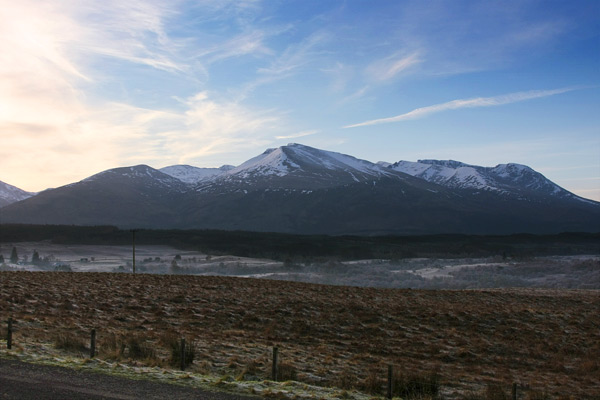
Britain's highest peak is Ben Nevis (1,344 m). It can be trekked by well-equipped hikers (it can get seriously cold and wet up here), but you don't need to go to the top to enjoy this magnificent area. There are lots of trails and shorter walks to keep any nature lover happy. Even the road (A82) that passes by offers amazing views of the Ben Nevis massif. In wintertime, the Nevis Range turns into a full blown ski resort with pistes and lifts on the northern slopes of Aonach Mor (1,221 m), Ben Nevis' little sister.
United Kingdom
Braveheart monument
Stirling, Scotland
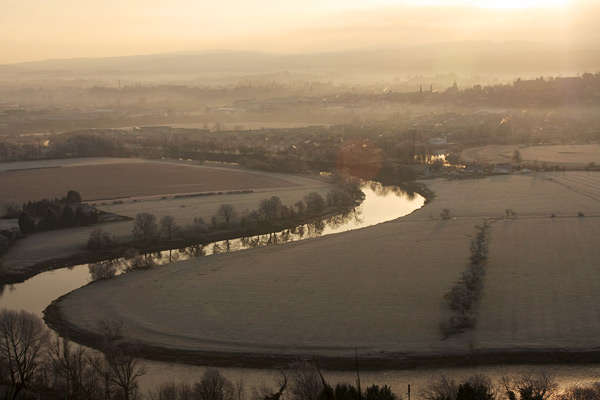
You might never have heard of William Wallace, but what about Braveheart? Though the Mel Gibson featured Hollywood movie about the Scottish freedom fighter is not historical correct, the storyline is fairly accurate. Scotland was oppressed under harsh English ruling, but in 1297 a united Scottish army under the leadership of William Wallance beat the crap out the English army at the Battle of Stirling Bridge. After a devasting defeat at Falkirk, William Wallance was turned over to the English by a traitor in 1305. He was tried and then punished. He was dragged in his heels by a horse, then strangled but not to death, castrated, had his stomach cut open and his bowels burnt while still alive, before he was finally beheaded. His head was placed on top of London Bridge and his body was cut into four pieces and displayed, separately, in four corners of the English kingdom. Afterwards he became a martyr and symbol of Scotland fight for independence. A bit outside Stirling stands the National Wallace Monument (well, it's more like a castle). The views over the Scottish lowland are particular splendid and includes a few famous battlegrounds between the English and the Scots.
United Kingdom
Bronze Age cemetery
Scotland
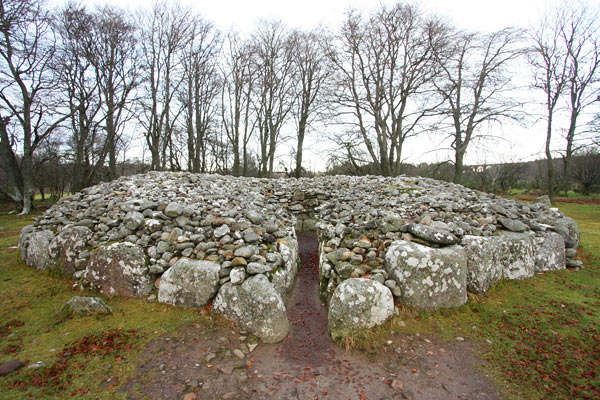
These stone rings are prehistoric burial chambers from the late 3rd millenium BC. There are about fifty of those, so-called clava cairns, in this part of Scotland. Probably the most well known is the Balnuaran of Clava (picture) not far from Inverness. Here, you will find three chambers, two with chamber-passages and one without, each encircled by big standing stones - a bit like Stonehenge. Cremated bones have been found inside the chambers, but else not much is known about these mysterious Bronze Age cemeteries.
United Kingdom
Carrick-a-Rede rope bridge
Northern Ireland
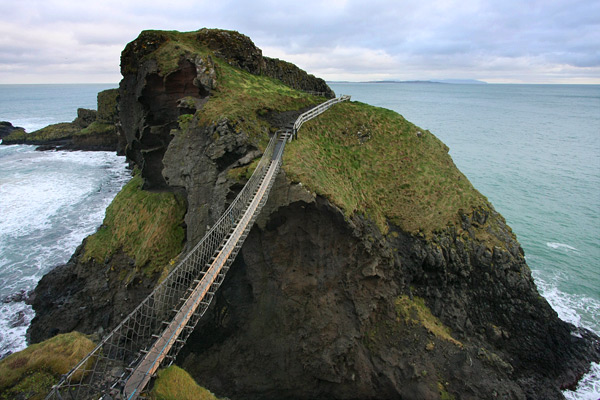
Presented as one of the biggest tourist attractions in Northern Ireland, is this rope bridge. It's 20 m long, spans the chasm between the mainland and the small island of Carrick-a-Rede, and hangs 30 m over the crashing waves. It was originally used for salmon fishing, when the salmons returned to the coast for breeding in their home rivers. Today, the rope has been replaced by steel wires, making the bridge perfectly safe to walk on, no matter how dangerous the local tourist board might want to make you think it is (you can buy an I-survived-the-bridge certificate). Carrick-a-Rede rope bridge could have been a fine little feature on the otherwise beautiful walk along the coast from the carpark, but instead it has turned into an over-hyped tourist attraction.
United Kingdom
Causeway Coast
Northern Ireland
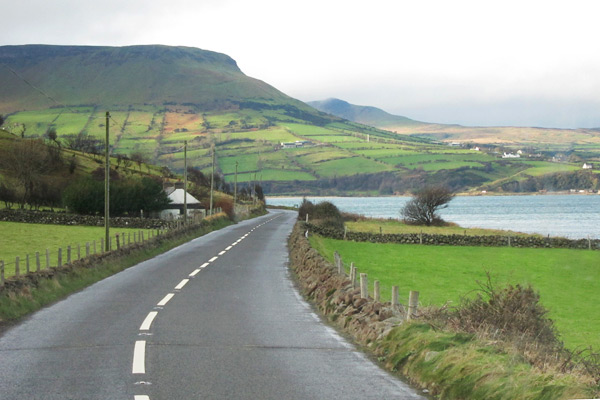
The Causeway Coastal Route winds along the northern coast of Ireland and passes through what is regarded as Ireland's prettiest stretch of coast. Green hills dotted with white sheeps are roughly cut off by the Atlantic Ocean leaving amazing cliffs and odd geological features, like the Giant's Causeway. Cute Irish villages lie hidden in bends and glens (valleys) while ruins of old castles are perched on outcrops with views to Scotland. There is an abundance of side trips and photo stops to do, which will prolong any journey through this beautiful part of Ireland. The route is partly along the A2 road and includes the Antrim Coast Road (Larne to Cushendal), which is considered particularly scenic.
United Kingdom
Durham
England
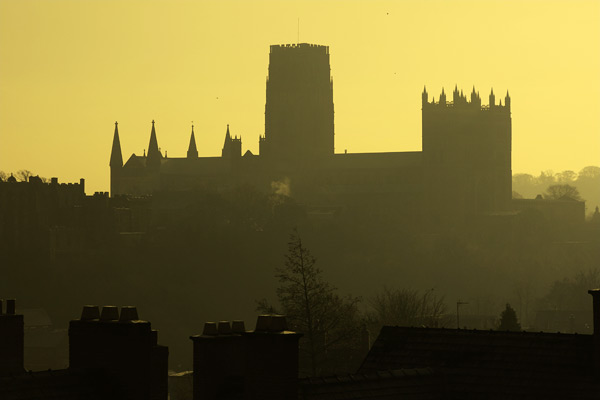
Durham is a small but elegant university town dominated by England's finest Norman cathedral. You might have the feeling that you have seen this grand 11th century cathedral before, for it was used in the Harry Potter movies as the Hogwarts School of Witchcraft and Wizardry - a fact they are strangely shy about. Both the gorgeous cathedral and the next-door Durham Castle are UNESCO World Heritage Sites and are the centre for the cobblestone old Durham town. It would have been picture-perfect, if it wasn't for the collection of drab concrete extensions of the university. For the best views of the cathedral and its massive towers, take a stroll through the woods on the other side of River Wear.