

Vietnam travel guide

Name: Socialist Republic of Vietnam
Population: 89,570,000
Capital: Hanoi
Currency: Dong
Population: 89,570,000
Capital: Hanoi
Currency: Dong
Vietnam
Ba Be National Park 
Bac Kan Province
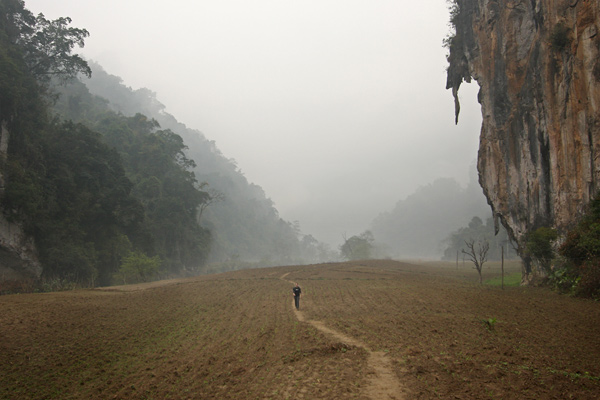
Approaching Ba Be National Park feels like a journey into a lost world. When reaching the rim of the karst limestones that enclose Ba Be lake, you will be met by a landscape that is the source for Asian scroll paintings. A dark lake with mist hanging heavy over the flat surface with green foliage clinging to the steep cliff sides and an intense silence (if you turn off the engine). The lime stone mountain range surrounding the lake is full of caves, where Puong Cave is the longest (300 m). Don't limit your roaming to the lake only for there are fine small walks too. Though Ba Be is a national park there are villages along the shore who can offer home stays and boat rentals.
Vietnam
Cu Chi tunnels
Cu Chi district, outside Saigon (Ho Chi Minh City)
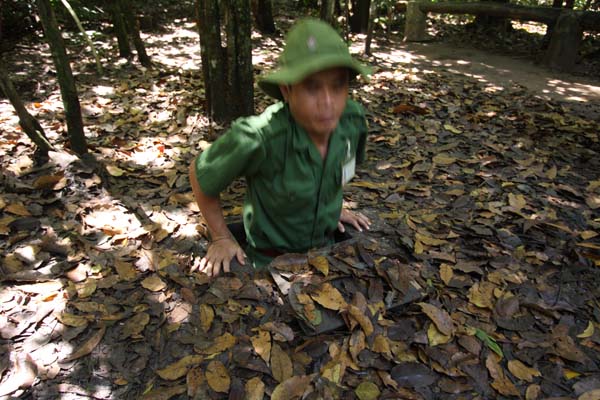
These are the tunnels that the Viet Cong used to fight the South Vietnam alliance - including the Americans - under the Vietnam War (which the Vietnamese, by the way, call the American War). Two areas can be visited, Ben Duoc and Ben Dinh. All the tunnels that are open have been expanded to fit western-sized people, but you still need to crawl on your hands and knees to get through them. Over ground, the sights have turned into a tourist circus with souvenir shops and shooting range (yes, you can shoot with AK47s), but the old-school propaganda video and the tunnels give a pretty good insight to the horror of the war.
Vietnam
Dalat
Central Vietnam
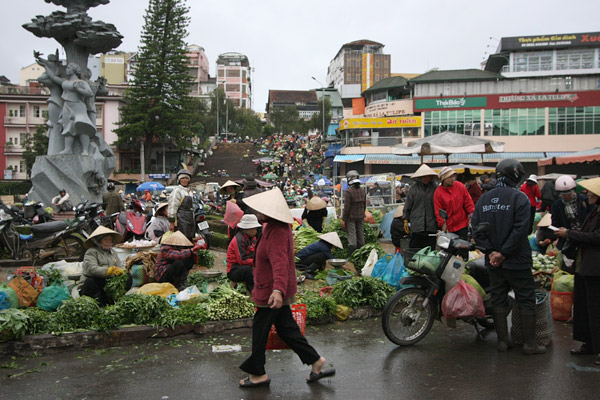
The hilly surroundings and cool climate of Dalat (alt. 1500 m) have attracted visitors for ages. Local tourists (and there can be many) come to try to wear wooden hats and eat strawberries, while backpackers come for an adrenalin kick. Whitewater rafting, kayaking and canyoning are all on offer, though not as wild as other places on the globe, but the best is probably the mountain biking. For instance, you can do a 28-km continuous downhill journey towards the coast. As a town, Dalat is far from charming, the real treasures lie in the beautiful hilly countryside. So if pedalling and paddling is not your thing, Dalat has become (in)famous for motorcycle tours, either on the back on one of the Easy Riders or with your own set of wheels. You can start here and go all the way up through the Central Highlands, before returning along the coast - or just keep going all the way.
Vietnam
Dien Bien Phu war relics
Dien Bien Phu
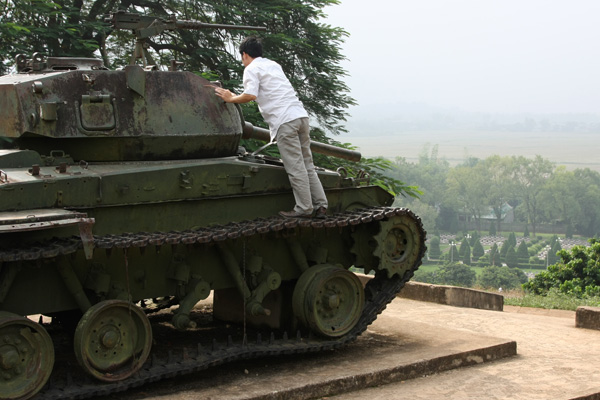
Dien Bien Phu was the site of one of the most important battles in Southeast Asian history. It was here, during 57 days of fierce fighting in 1954, that the Vietnamese nationalist movement, the so-called Viet Minh lead by Ho Chi Minh, defeated the French colonial power. After that, the French withdrew from their colonies in Asia and Vietnam finally became independent. Before the battle, Dien Bien Phu was nothing more than a landing strip constructed by the Japanese under WWII. The French turned it into a military stronghold which purpose was to interrupt the movement of Viet Minh troops into Laos. The French lost more than 10,000 men (including those who died as prisoners of war), while the Vietnamese number is estimated to 23,000. At Dien Bien Phu today you can see some of the French bunkers along with the trench system at the hill named A1. You have to be into military history to get more out of it than the mandatory been-there photo snap - so read up a bit before going.
Vietnam
Dog meat
All over Vietnam
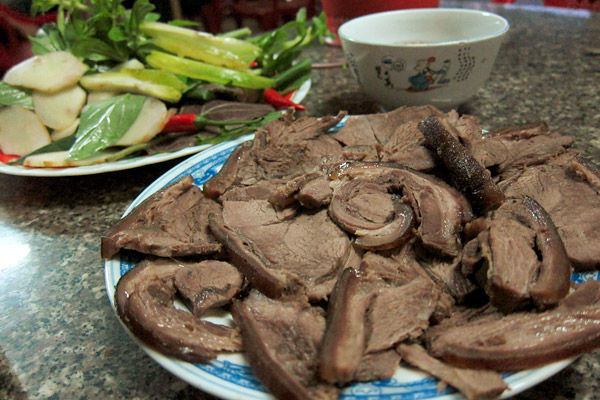
Dog meat is a delicacy in Vietnam and something you eat while sharing a bottle of rice wine with good friends. It is found in specialised roadside restaurants advertising thit cho (in North Vietnam) or thit cay (in South Vietnam). The taste of dog meat is, as you would expect, not particularly unusual, but the purple fermented sauce, mam tom, that it is served with, has the most disgusting smell. So all those dogs you see in cages on motorcycles are probably not on their way to a good home.
Vietnam
Durian Fruit
Yeah, we known - it's a fruit, not a place!
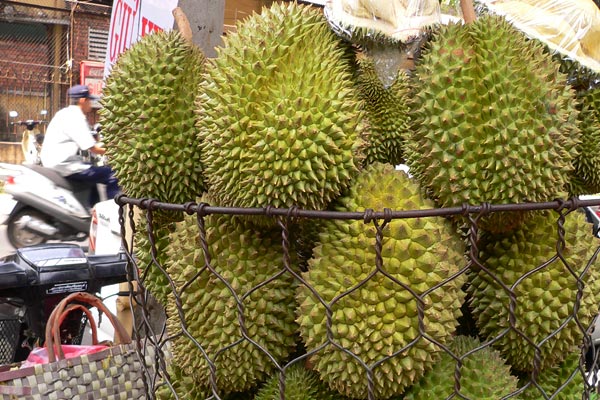
The dangerous spiky durian fruit is probably the fruit most people have an opinion about, those who know it. The smell from an opened durian is so intense, foul and nauseating that many places through Southeast Asia have a ban on eating them in public. The taste, on the other hand, is very sweet, with a buttery texture (some will call it disgusting). It is no wonder that Asian people say the durian smells like hell and tastes like heaven. Try small bits in the beginning and work you way up. If you are hooked, you can even indulge on durian candy, durian icecream and durian chips - and even durian flavored condoms in Indonesia.
Vietnam
Floating market
Cai Rang near Can Tho, Mekong Delta
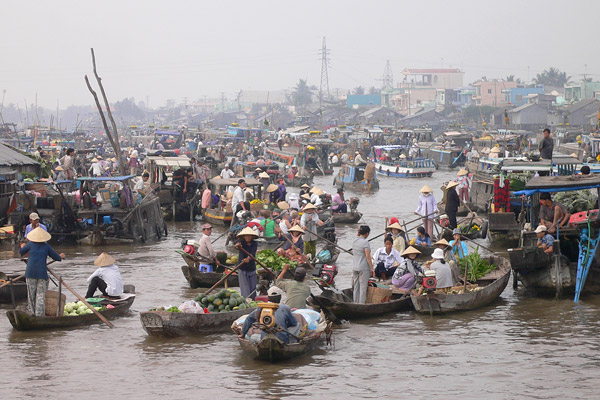
The Mekong Delta is a huge maze of wide rivers, narrow canals, rice paddy fields and fruit plantations. The small family farmers take their boats to the nearest floating market to sell their harvest. Here, retailers come by in bigger boats to snap up whatever is in season. In the rainy season, the floating markets are stuffed with fruits of any colour, while the dry season offers more vegetables. The sellers advertise their goods by tying a sample to the top of a high pole. In the early morning the river, is buzzing with activity and the crowd of boats can be so dense that you can almost walk across the river. Not all boats are loaded with fruits and vegetables, some are just floating noodle shops or cafes, while others are packed with... well, tourists.
Other floating markets in the Mekong Delta are Cai Be, Phung Hiep, Phong Dien and Tra On.
Other floating markets in the Mekong Delta are Cai Be, Phung Hiep, Phong Dien and Tra On.
Vietnam
Giant statue of Uncle Ho
Vinh
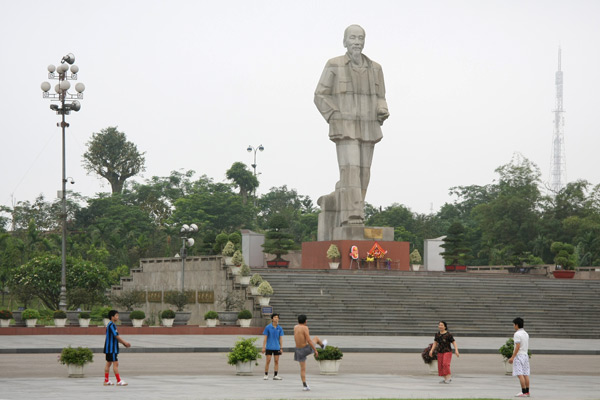
The city of Vinh doesn't have very much to offer in the sense of mind-blowing sights, but there is one thing the city can brag about: The biggest Ho Chi Minh statue in Vietnam, which must presumably also be the largest in the world. The square in front of the statue is laid out exactly like the Ba Dinh square in Hanoi in front of the Ho Chi Minh mausoleum. If you are a true Ho Chi Minh buff, you must also visit the birthplace of the great leader in the village of Kim Lien, a 14 km drive from Vinh.
Vietnam
Ha Giang
Ha Giang province
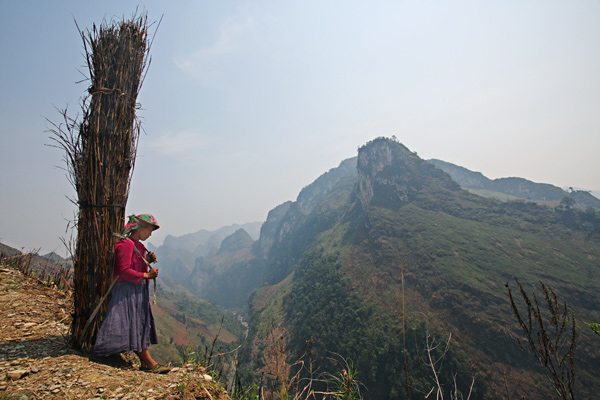
Bending into China, Ha Giang is the northermost point you can get in Vietnam. It's rich in ethnic minorities who live on the mountain slopes, but what makes this place stand out from its more popular neighbours is the landscape. As you travel across the province, the mountain scenery changes from soft hills with muddy soil, over steep slopes covered in rice terraces to rough stone forests, where the colourful tribe people have to farm between the tall pointy rock pillars. Vietnam is beautiful and this is one of the most jaw-dropping places in Vietnam.
Vietnam
Hai Van Pass
On the route from Da Nang to Hue.
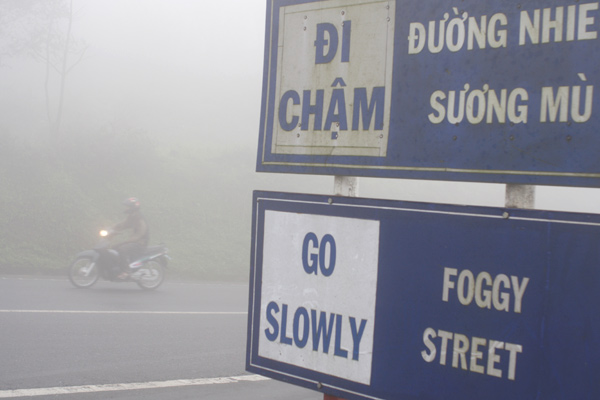
Hai Van Pass (496) north of Da Nang is the second highest pass in Vietnam, next after Heavens Gate near Sapa. It is a natural boundary between the subtropical North and tropical South Vietnam. During the French occupation and the Vietnam War, the pass played an important military role and to this day you can still see some bunkers at the top. Due to the special weather conditions, the view is rarely clear in both direction when reaching the top and the whole peak is often covered in clouds, hence the name Hai Van (meaning "Ocean Clouds"). In 2005, the Hai Van Tunnel opened, cutting straight through the mountain and eliminating the scenic, though scary, hairpin route over the pass.