

Copenhagen travel guide

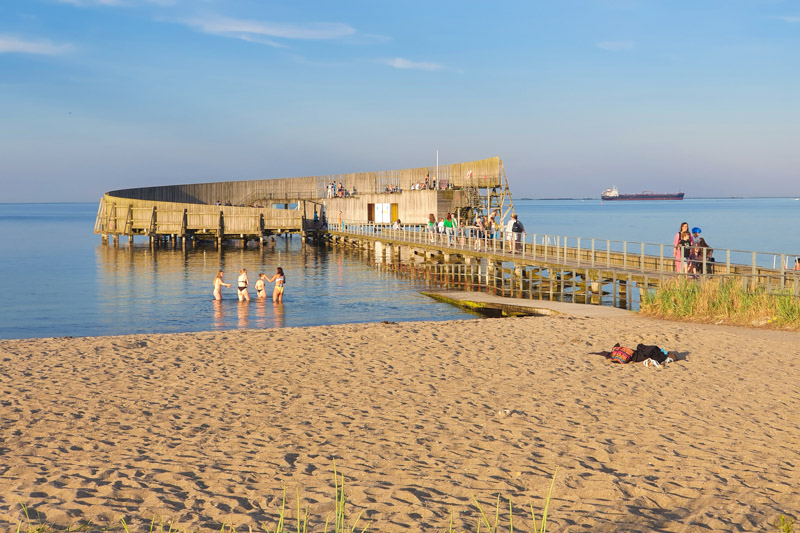
It used to be just a long natural beach near the airport, but has recently been transformed into an outdoor mecca. A white sandy beach with low dunes still runs the full length, but a protected lagoon has been added, perfect for kitesurfing and SUP. Along the beach winds a concrete path for running, bicycling and rollerblading passing areas assigned for beachvolley and picnics. The southern end the beach park ends at the marina, while the northern end is marked by the winter swimming and nude zone at Hegoland bath facilities. Amager Beach Park is easy reachable by bicycle or metro.
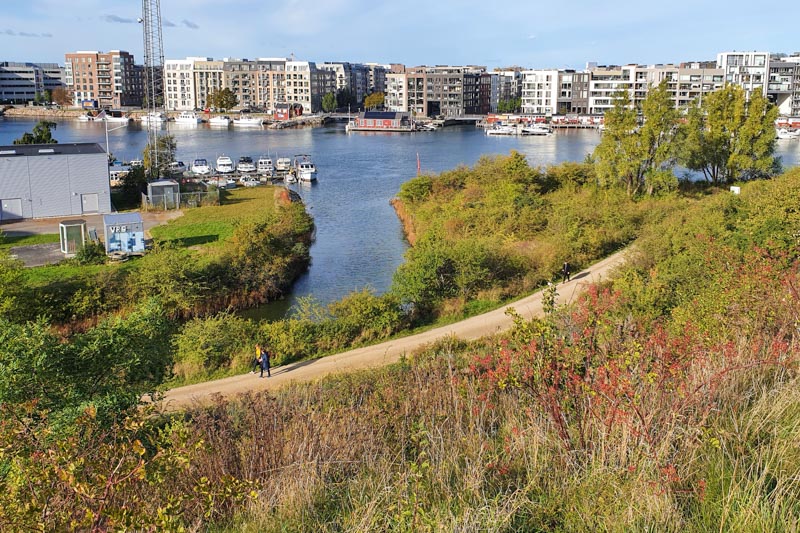
Everyone knows the Spanish pilgrim route the Camino, but have you heard about the Amarmino? To attract more people to the nature around Copenhagen clever marketing folks have named a 29 km long route on Amager, the Amarmino. The hike starts at DR-byen (the Danish Broadcasting corporation) in the north, just 4 km from Copenhagen Town Square, and follows trails across Amager until you reach the cute fishing village Dragør in the south. The route is surprisingly diverse and easy to follow as it's marked with signs all the way. The first section takes you past the new development at Sluseholmen and under the highways. From here the route follows the coastline for a while, before it takes you along meadows with grazing cows on a backdrop of Ørestad's skyline. The open landscape is an important bird sanctuary, where rar migration birds can be seen. The route then continues through woodlands and birch forest, until you again hike along the windswept coastline. The route breaks off into the forest at Kongelunden, where it swings by one of the big wooden giants made by the scrap artist Thomas Dambo. The last stretch follows the beach trail, which is wedged between houses and the Baltic Sea. Eventually you will end up in front of Dragør Badehotel, where the journey ends. It will probably take about 6-7 hours to do the full hike. Spend some time in picturesque Dragør before catching the bus back to Copenhagen.
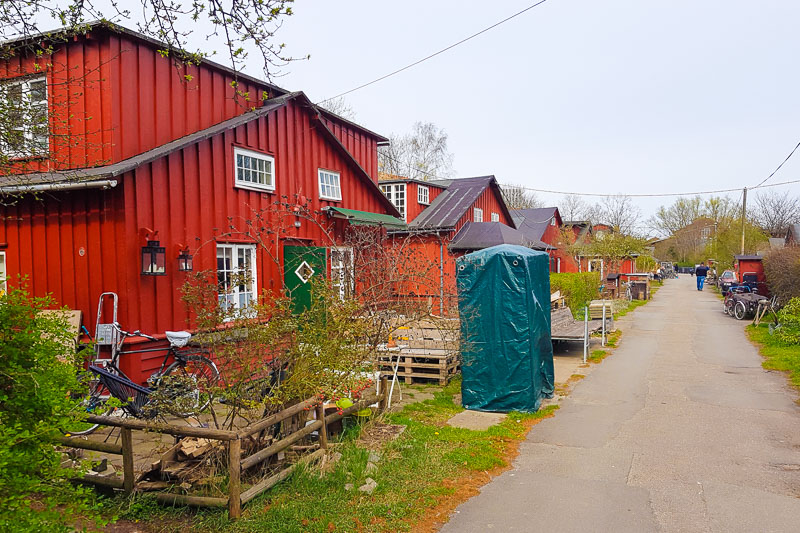
Christiania is not the only alternative neighbourhood in Copenhagen. Ballonparken is another old military camp, which was turned into a free-spirited hippie community in the 1970s. Originally the red wooden military barracks, which still stand today, were built in 1882 for the infantry. They had a balloon division, which used air balloons to see how far their cannons shot. The original big hangar building storing the air balloon has been beautifully restored. Today the Ballonparken still houses a small autonomous community, but it's fully legit.
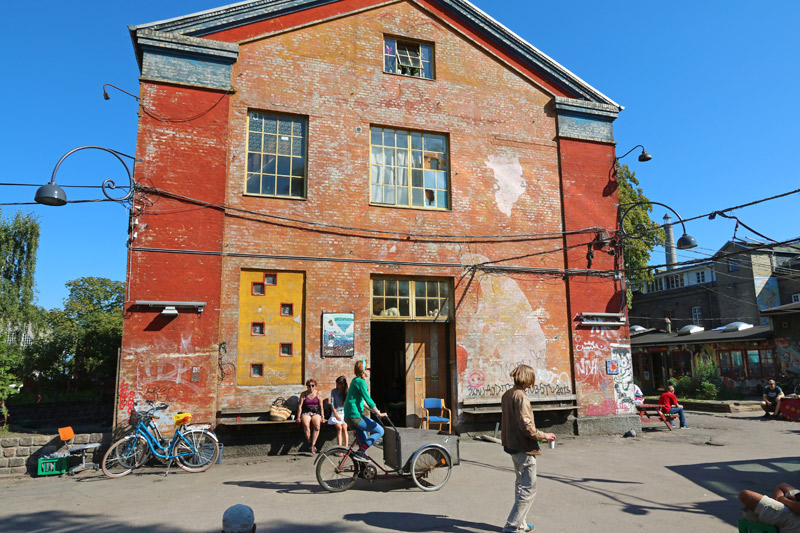
Christiania started as a free-spirited hippie community in an squatted military area in the 1970s right in the middle of Copenhagen. They were never kicked out and the small community slowly grew to a self-proclaimed autonomous neighbourhood with experimental theatres, shops, bars, workshops, imaginative homemade houses and a lot of drugs. In the beginning, all kinds of drugs were sold, which attracted a lot of trouble. But Christiania got its act together and cleaned up so only soft drugs, like hashish and marijuana are sold in the street that has become known as "Pusher Street" - a name that sticks today on official maps. Though drugs (including soft drugs) are illegal in Denmark, the street is still lined with dealers showing their merchandise just like any other flea market, but police raids are not uncommon. Christiania has become the third most popular tourist attraction in Copenhagen after Tivoli and the Little Mermaid.
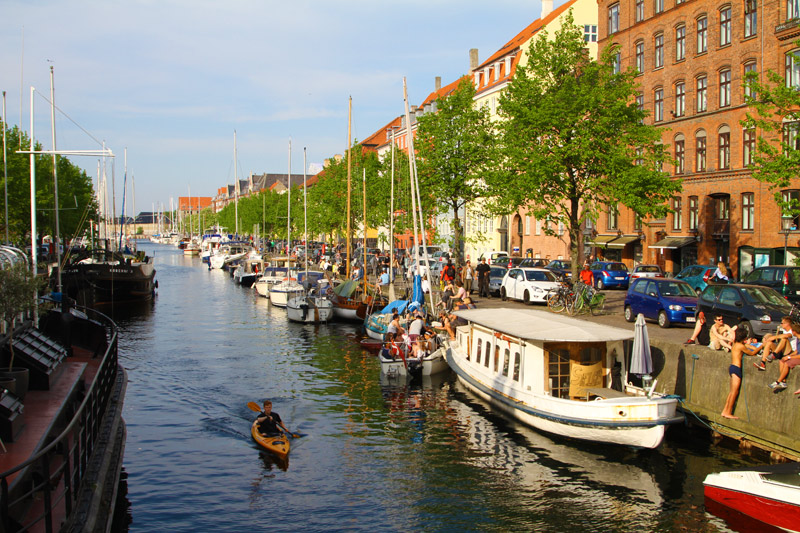
Christianshavn was probably the first working class neighbourhood in Copenhagen which turned fashionable. It has a lots of character and seems to attract people from all walks of life: Businessmen and families work and live side by side with artists, old hippies, alcoholics and drug buyers (on their way to Christiania). Charming Christianshavn is intersected with canals, just like Amsterdam, and many locals have a small boat. Houseboats have once again become popular and there are even a few old ships, which have been turned into floating cafes. On land there are cobbled streets and some fine churches. The few squares are often occupied with peaceful drunks, but most people prefer to sit at the picturesque waterfront anyway.
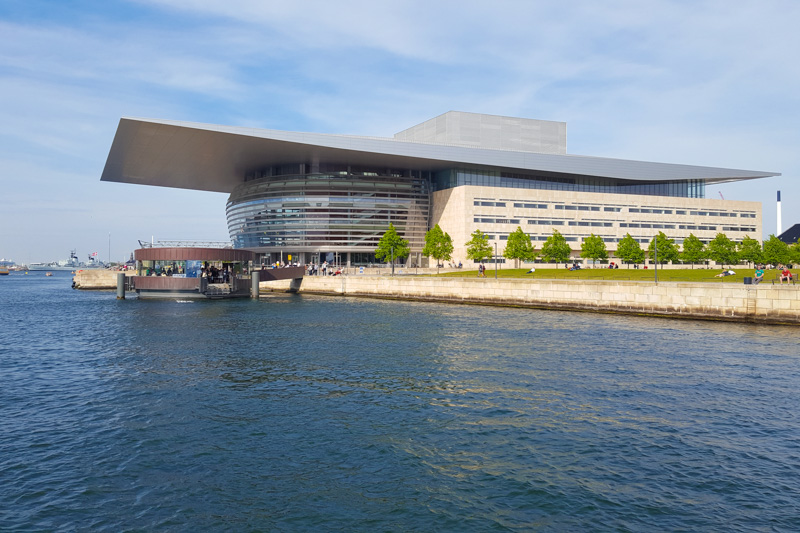
From the distance Copenhagen Opera House doesn't look that big. It's only when you get up close, that you can grasp its gigantic proportions, particularly the 32 meters long overhanging of the roof (also used for high diving competitions). The opera house was completed in 2004 with an exorbitant price tag of well over US$500 million, making it one of the most expensive opera houses in the world. It was donated by A.P. Møller (at that time, the richest man in Denmark and the founder of Maersk shipping) and designed by the equally famous Danish architect Henning Larsen. The strong minded A.P. Møller added so many alterations to the original design, that the architect left in protest before the opera house was finished. While the exterior is very slick, the interior is more flamboyant with pieces of Danish artists (among others Per Arnoldi, Per Kirkeby and Tal R). The three big chandeliers hanging in the foyer are created by the Danish-Icelandic artist Olafur Eliasson. At night time, the three lamps can resemble the three yellow discs on Christania's flag, which have people speculate whether Olafur Eliasson did the hidden tribute to the hash smoking free town on purpose.
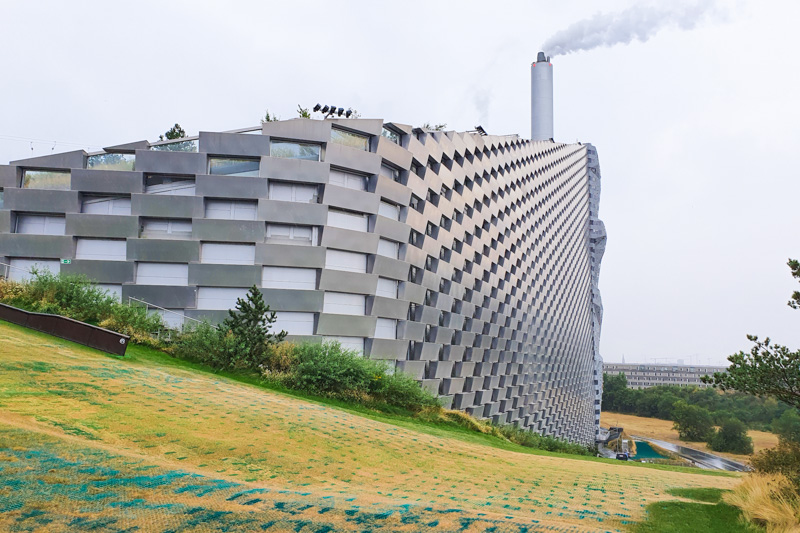
The Danish star architect Bjarke Ingels has turned Amagers waste-to-energy power plant into a year-around artificial ski slope with running trails along the edge. In addition, the World's highest climbing wall snakes its way on the side to the top at 85 m. Those who don't want to ski or snowboard (or climb) can access the rooftop by either hiking up along the running trails or just using the free glass elevator. There is an afterski bar at the top with magnificent 360 degrees views over Copenhagen and parts of Sweden.
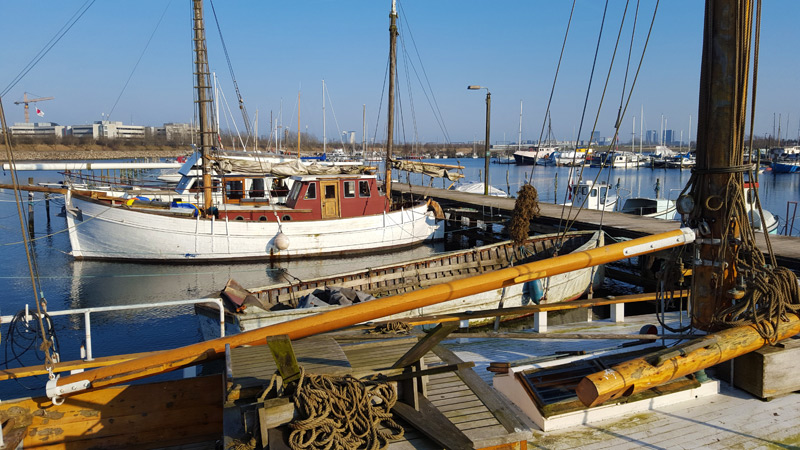
Fiskerihavnen (Fishing Harbour) is a tight harbour community in Copenhagen where people live in homemade houses made out of whatever is available or on quirky boats. Originally, the community was located at a different spot, but to make room for a new container harbour it was relocated here in 1995. Most of the boats are old and worn and have probably not left the harbour for decades, but others are well maintained and outfitted with odd things like wood fired stoves. There is a tiny island (Rotteøen) at the end of the wooden pier with picnic tables and a platform for swimming - it's a nice place for a summer afternoon. Beside the makeshift houses, modern designer houses are shooting up at the far end of the harbour, which make a sharp contrast to the original hippie makeshift houses. Fiskerihavnen is not far from Lorterenden (Shit Gutter), another alternative community full of character.
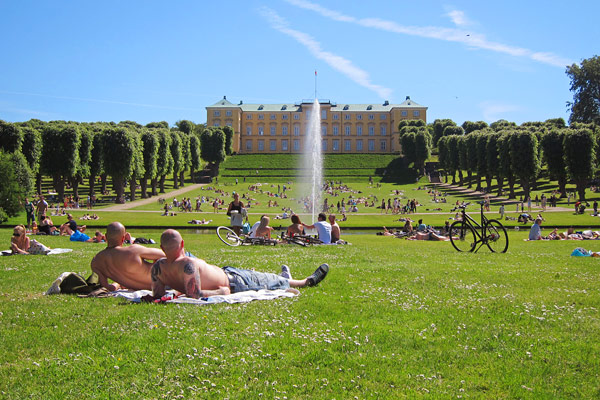
Frederiksberg Park was the royal garden for the Danish king Frederik IV's (1671-1730) summer residence, Frederikbergs Palace. The park was redesigned by king Frederik VI (1768-1839) during the 19th century in fashion with the English landscape garden style of the time. The King also added a Chinese pavilion which was mostly used for the king's sexual escapades. The pavilion still stands today, though not much action is going on these days. The park is open to the public and is a favourite place for sunbathing, picnics and wedding photo sessions. The trail system is lovely for strolling and running, and it is possible to have a peek at the elephants who live next door at Copenhagen Zoo.
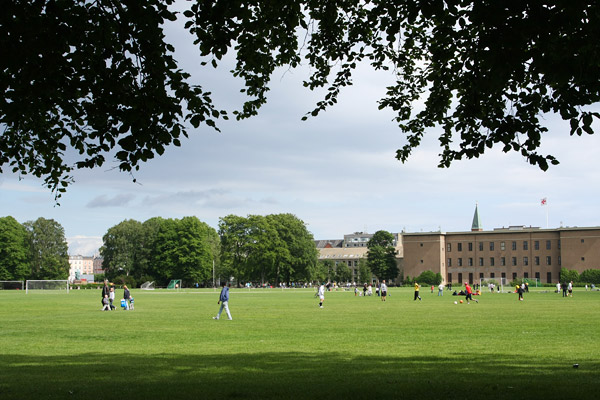
There are quite a few parks in Copenhagen, most are just for hanging out or having a stroll but Fælledparken is different. Here, people come for BBQ, playing football or frisbee or other space-demanding stuff, for Fælledparken is huge (580,000 square metres). The best day to visit is probably on the 1st of May when the park gets packed for International Workers' Day. As this is Denmark, "demonstrators" show their solidarity by drinking beer, lots of it.